Four men seek formal exoneration in 1991 Austin yogurt shop murders
A judge will consider declaring four men innocent in the killing of four teenagers, a ruling that could clear names and enable compensation after decades of legal and community trauma.
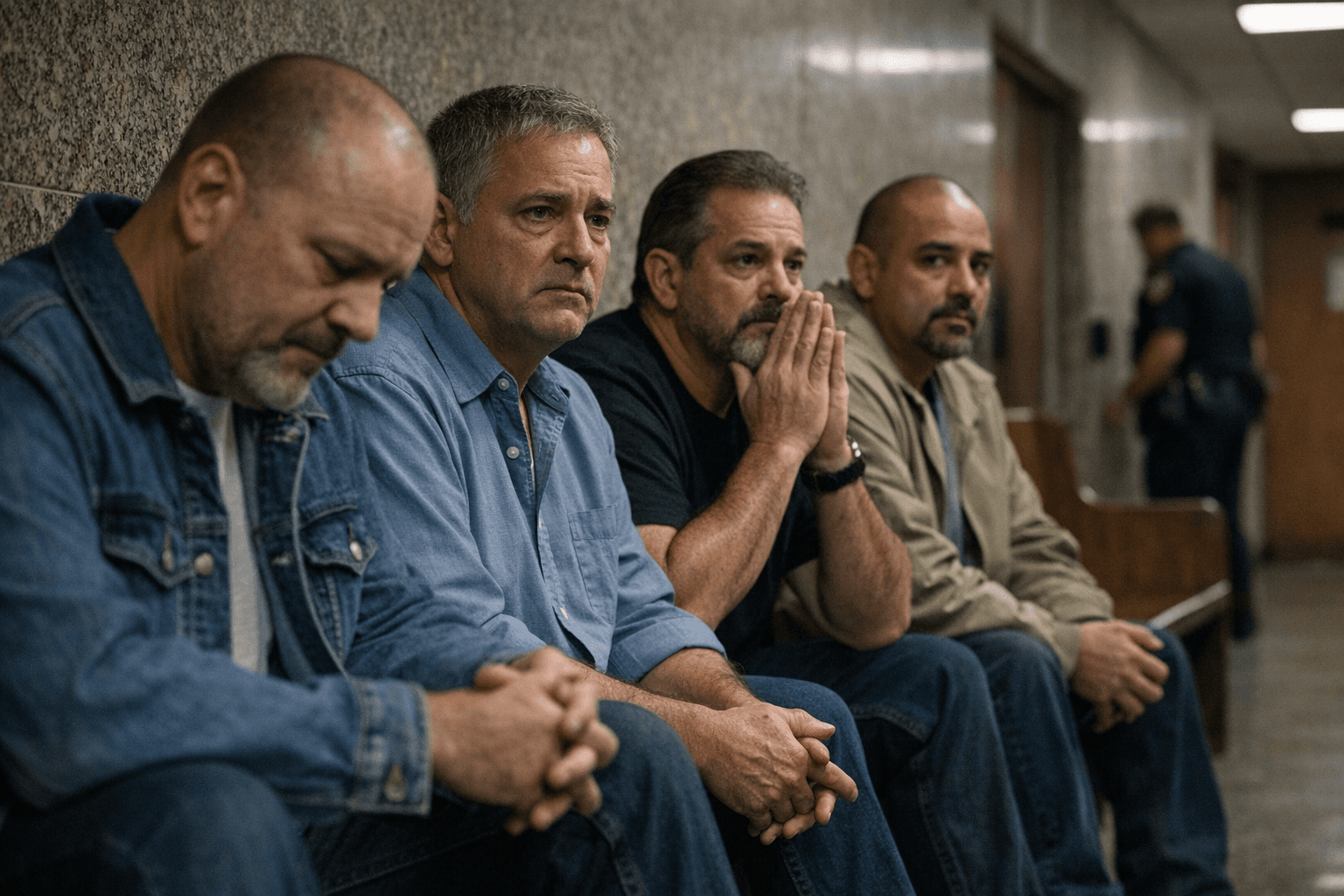
A Texas judge on Thursday will consider a formal declaration of innocence for four men long linked to the 1991 slayings of four teenage girls at the "I Can't Believe It's Yogurt" shop in Austin, a move that could finally allow them and their families to seek financial compensation for years spent under criminal suspicion or behind bars.
The case stems from a crime that left Amy Ayers, 13; Eliza Thomas, 17; Jennifer Harbison, 17; and Sarah Harbison, 15, bound, gagged and shot in the head, with the building subsequently set on fire. Investigators later learned at least one victim had been sexually assaulted and that the blaze destroyed potential evidence. The brutality of the killings and the ensuing investigation "haunted Austin for decades," reporting has said.
The four men identified in the proceeding are Michael Scott, Robert Springsteen, Forrest Welborn and Maurice Pierce. All were arrested in late 1999 after a protracted hunt that included thousands of leads and several false confessions. Springsteen and Scott were convicted largely on confessions they maintained were coerced by police; both convictions were overturned in the mid-2000s. Springsteen was initially sent to death row and spent several years there. Pierce died in 2010.
Cold case detectives announced last year they had connected the killings to a suspect who died in a standoff with police in Missouri in 1999, a development Austin police described at a Sept. 29, 2025 news conference where Austin Police Cold Case Detective Daniel Jackson spoke about the breakthrough. That connection prompted the filing that led to the hearing before state District Judge Dayna Blazey.
Two of the original defendants, Michael Scott and Forrest Welborn, were expected to attend the hearing; Springsteen was not expected to attend. If Blazey issues a declaration of "actual innocence," it would legally clear the names of the accused and remove a major barrier to seeking state compensation for years lost to wrongful prosecution or incarceration.
Travis County District Attorney José Garza framed the moment as long overdue: "It has been over twenty-five years since the four men wrongfully accused have been waiting for the criminal justice system to clear their names."
Beyond the immediate legal consequences, the case underscores persistent systemic questions about police interrogation practices, prosecutorial review and the resources available to both victims' families and people wrongfully accused. For the Austin community, the case has been a source of enduring grief and mistrust; memorials photographed Sept. 26, 2025 show tributes still placed for the four girls more than three decades after the crime.
Public health specialists note that long unresolved violent crimes inflict multigenerational harm through chronic stress, mistrust of institutions and barriers to mental health care, though specific health impacts in this case have not been detailed in reporting. Advocates for those seeking exoneration say a formal finding of actual innocence is a necessary, though not sufficient, step toward restitution and rehabilitation for men and families whose lives were disrupted.
The hearing will test whether the legal record now supports the declaration prosecutors and defense attorneys say is warranted after recent investigative developments. For a city long marked by the case, the court's decision could offer a formal end to a painful chapter and a pathway to financial remedies for those wronged.
This article was produced by Prism’s automated news system from verified source data, official records, and press releases, then run through automated quality and moderation checks before publishing. The system is built and supervised by the people who set the standards it runs under. Read our full AI policy.
Did this article answer your question?

