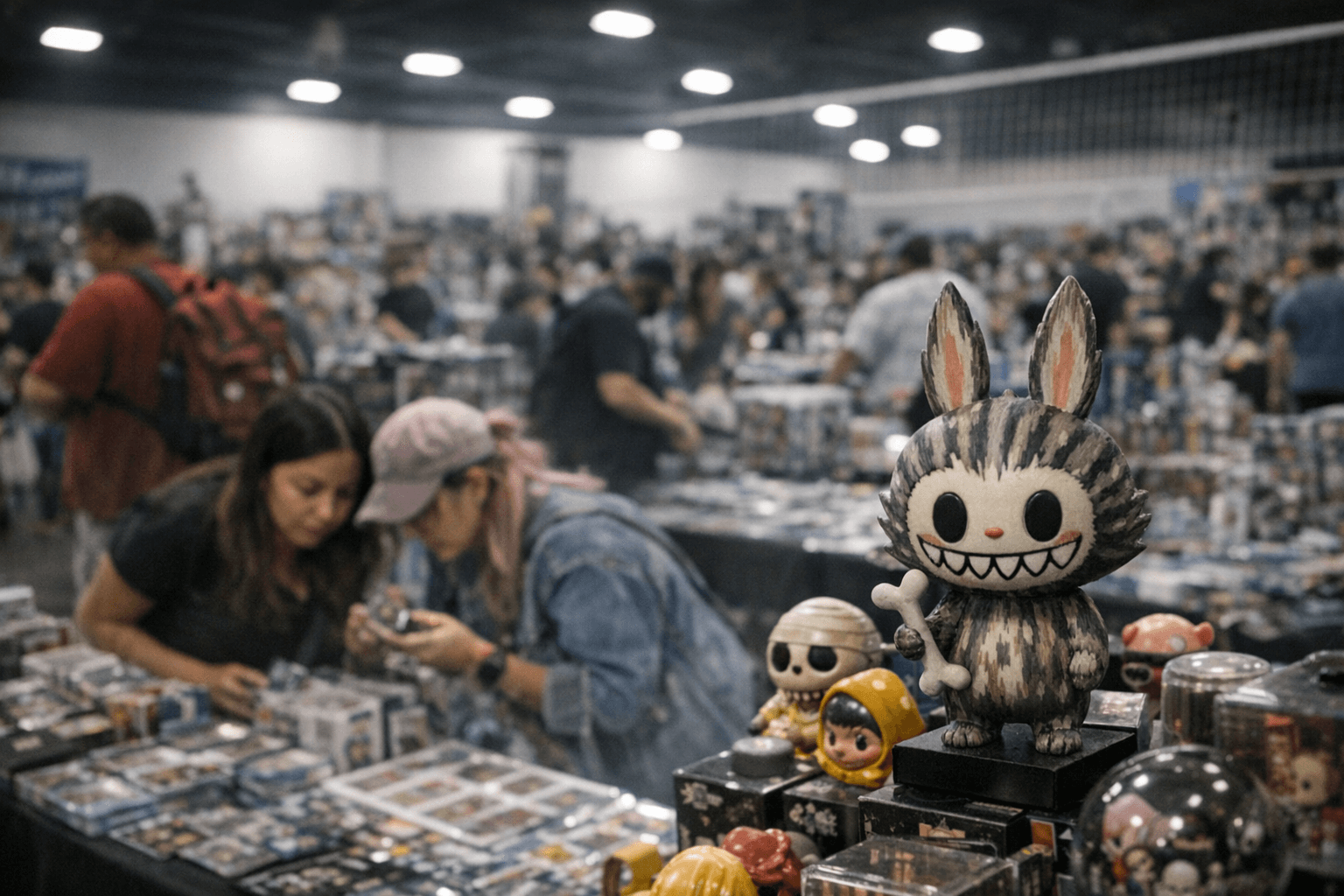
Framework for Evaluating Labubu Drops, Gauging Risk and Reading Signals
labubu drops can swing from 2,000% markups to steep corrections; use this checklist to evaluate new releases, size positions, and read secondary‑market warning signs.

This primer is written for Labubu collectors, hobbyists and casual investors who want a practical framework for evaluating new drops, judging market risk, and reading secondary‑market signals without getting swept up in hype cycles. It is not a trading manual; it's a hands‑on checklist I use when I decide whether to buy at retail, flip, or hold a display piece.
1. Design, artist and variant desirability
Collectors care about story and shelf presence. Labubu variants with clear artist branding, unique sculpting or event‑specific paint (festival or collab runs) historically attract the highest premiums, those are the ones that hit 2,000% resale markups in extreme cases. When a figure looks great on a shelf, it will appeal to both display collectors and speculators; when it doesn't, expect weaker aftermarket interest regardless of box rarity.
2. Edition size, distribution channel and exclusivity
Edition size and how pieces are distributed determine supply. Blind‑box waves sold broadly through Pop Mart have a very different supply curve than limited or show‑exclusive Labubu runs; large retail availability suppresses short‑term markups, while true exclusives create scarcity-driven spikes. Always confirm print run numbers, regional exclusives, and whether a release is tied to Pop Mart's mass retail channels or an artist gallery drop.
3. Retail price vs resale markup math
Run the numbers before buying with emotion. If a Labubu retail price is ¥120 (example), a 2,000% markup would push resale into the thousands, that’s where you see headlines and mania. Compare the current best resale, peak historical marks for the same series, and compute the multiple; anything above triple digits is high‑risk unless supply is demonstrably constrained.
4. Early sell‑through and launch liquidity
Sell‑through in the first 24–72 hours is the clearest near‑term signal. Rapid sell‑outs with strong post‑drop volume often presage temporary markups; muted sell‑through or long tails indicate weak demand and a higher chance of markdown. Track listings and completed sales across platforms; low volume plus many open offers is a red flag for softening demand.
5. Secondary‑market price trajectory and volume
Look beyond top price to real liquidity. Headlines about "Labubu craze cools" or "Pop Mart stock slumps as resale prices drop" are tied to sustained price declines and falling trade volume, not single headline sales. A steady drop in completed sale prices combined with falling trade count signals that speculators are exiting and collectors are refusing to anchor to higher comps.
6. Collector behavior and display trends
Collector priorities shift, and that shift changes value. Recently, collectors moved from flipping to display purchases, prioritizing condition, repaint quality and diorama compatibility. When community chatter turns to displays and away from quick flips, expect fewer impulsive buys and more selective auctions; that reduces overall volatility but can compress peak resale multiples.
7. Corporate and market signals (Pop Mart indicators)
Corporate signals matter: public moves by Pop Mart, product line changes, earnings surprises, or shares reacting to resale demand, are forward indicators for Labubu liquidity. A visible slump in Pop Mart shares tied to weaker reseller demand is not just headline noise; it often precedes softer secondary prices for the character lines that drive margins.
8. Social hype vs durable demand
Differentiate hype (viral posts, influencer unboxings) from durable demand (repeat buys, waiting lists, gallery enquiries). Viral posts can create short, intense spikes that fuel 2,000% listings but collapse when attention moves on. Durable demand shows up as sustained search interest, repeat collectors in the same series, and sold‑out restocks rather than single‑day flurries.
9. Variant premiums and condition grading
Not all Labubu variants are interchangeable, accessories, paint stability and box integrity matter. Premiums often attach to mint‑in‑box limited colors or sculpt variations; condition downgrades (creased box, missing sticker, UV fading) knock value disproportionately. When you price a potential buy, factor restoration risk and the cost to obtain a mint example in your market.
10. Restock, reissue and long‑tail supply risk
Reissues collapse premiums quickly; restocks through mass retail channels kill scarcity. If a Labubu line is announced for reissue or Pop Mart signals a second run, treat previous resale peaks as potentially ephemeral. Track official announcements and watch for "surprise" restocks; hedging against reissue risk is essential if you’re buying for short‑term gain.
11. Pricing strategy and position sizing
Size positions for downside, not upside. Because resale marks can swing wildly, remember the stories of 2,000% gains followed by rapid cooling, cap any single drop exposure to a modest percentage of your toy budget. For most casual collectors I recommend sizing buys so a 50–70% markdown still leaves the purchase emotionally and financially acceptable.
12. Exit rules and warning signals
Predefine exit triggers: a persistent drop in completed sale price over three consecutive weeks, a doubling of listings without matching sales, Pop Mart announcements of restock, or public sentiment shifting to display over flip. Those are actionable signals that the "craze" narrative is cooling and it's time to trim positions.
13. Tools, marketplaces and data to watch
Use multiple platforms to confirm liquidity; one top sale on a forum is noise without volume behind it. Monitor completed sales, not just listing prices, and track platform volume trends. Look for corroborating signals: falling Pop Mart share performance tied to weaker reseller demand, muted press coverage, and community posts about displays rather than flips.
14. Mental models for long‑term holding vs flipping
Decide your intent before the drop: do you want a display piece that you enjoy, or a short hold to chase a markup? If you’re a collector, prioritize condition and provenance; if you’re a speculator, prioritize tight sell‑through windows and limited supply. Markets that produce headline‑grabbing multiples also experience headline‑driven reversals, treat both outcomes as real possibilities.
Final take: the Labubu market has produced outsized wins and sharp corrections, headlines about $418M in company sales or 2,000% markups illustrate upside, while storylines like "Labubu craze cools" and Pop Mart share reactions show how quickly demand can change. Use this framework as a practical checklist: verify supply, measure early liquidity, watch corporate and social signals, size positions for downside, and predefine exits. Do those things and you’ll avoid the worst of the hype while still catching the drops worth keeping on your shelf.
Know something we missed? Have a correction or additional information?
Submit a Tip