France floats overhaul of EU diplomacy, boosting Kaja Kallas role
Paris wants to give Kaja Kallas broader control as Brussels weighs three ways to untangle a foreign-policy system split between the Commission and the EEAS.
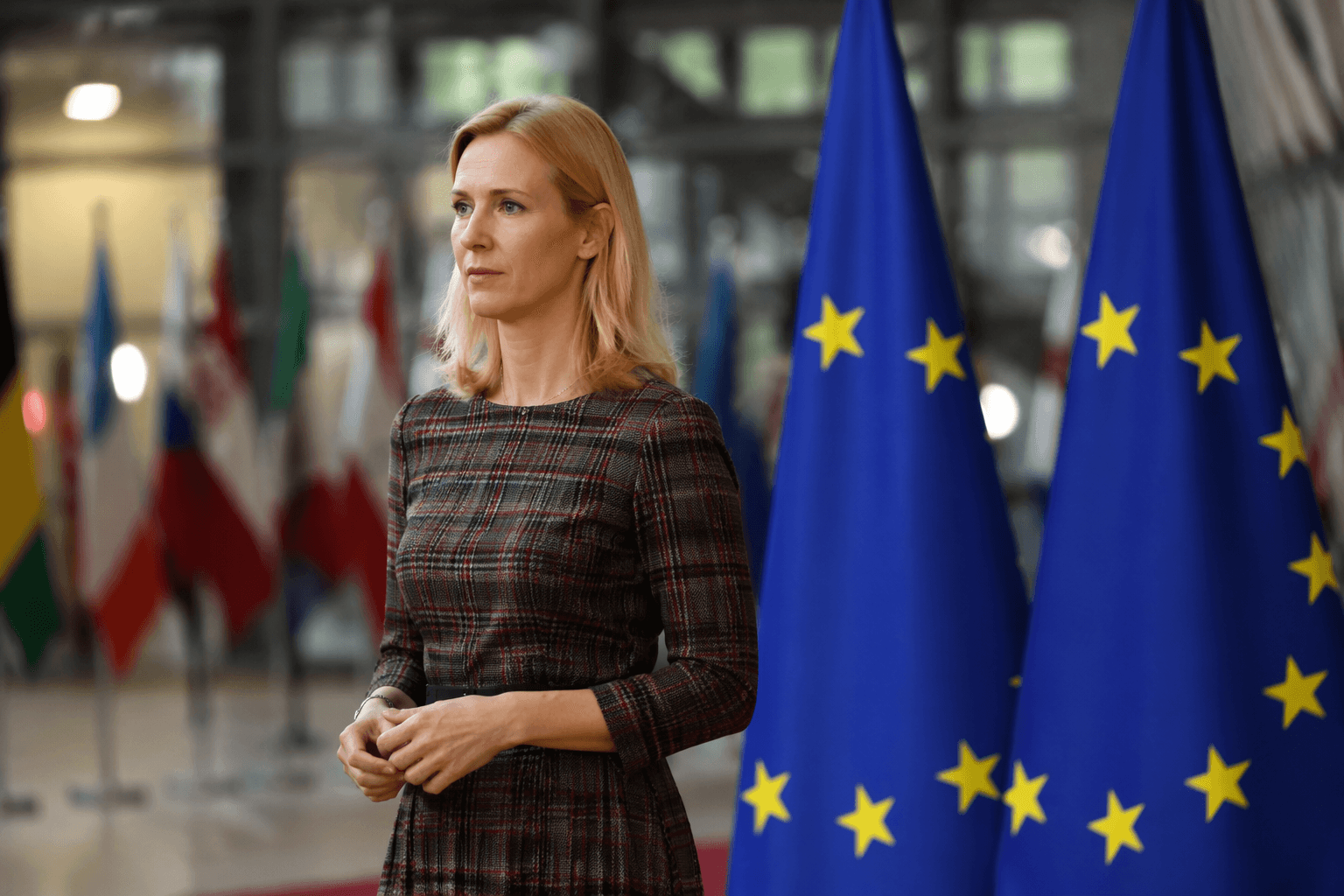
France has put forward a plan to shake up how the European Union speaks abroad, a move that could give Kaja Kallas a far stronger hand over foreign policy. The proposal comes as Brussels struggles to answer wars, sanctions and other crises with one voice, exposing a system split between the European Commission and the EU’s diplomatic service.
The French paper, reviewed by Reuters, outlines three broad ways to rewrite the EU’s diplomatic machinery. One would move all foreign policy under the European Commission. Another would shift the European External Action Service to the Council, where member states dominate. The third, and most politically significant, would strengthen Kallas inside the Commission by making her a first executive vice president with wider control over external relations, trade and economic development.
That option is designed to solve a problem that has dogged Brussels for years: overlapping authority. The Commission, led by Ursula von der Leyen, and the EEAS, created in 2011 under the Treaty of Lisbon, both play roles in foreign policy. The result has often been duplication, confusion and slow responses when the bloc faces urgent tests, from the war in Gaza to broader geopolitical shocks.
Kallas already sits at the center of that tangle. She is the EU’s High Representative for Foreign Affairs and Security Policy and also one of the Commission’s vice presidents. The Commission says her job is to lead a more strategic and assertive foreign and security policy, while the Council says the High Representative chairs the Foreign Affairs Council and helps build consensus among member states. The EEAS, for its part, describes itself as the EU’s diplomatic service and says it handles foreign policy priorities including civilian and military planning and crisis response.
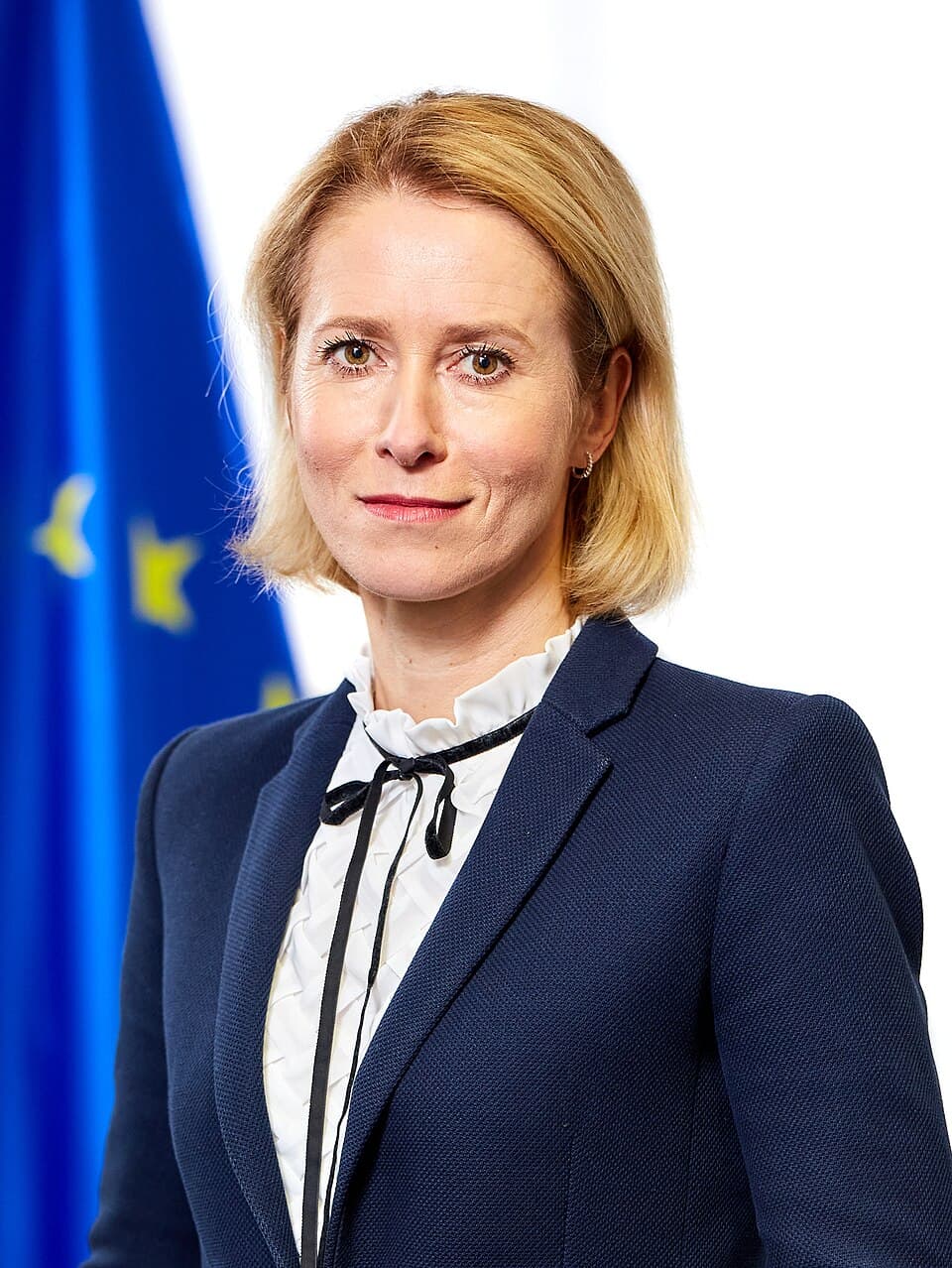
The French concept would give Kallas a closer link to national leaders while narrowing the diplomatic service to a more strategic role. That would amount to a major shift in how the EU balances supranational power against the authority of its governments, a balance that has always been politically sensitive in Brussels.
Kallas herself has signaled that the system needs repair. In 2025 she told foreign ministers that the EU still needed a discussion about working methods, and in an email to staff in 2026 she said the relationship between the institutions had been debated since the EEAS was created. She also said the treaty framework remains unchanged.
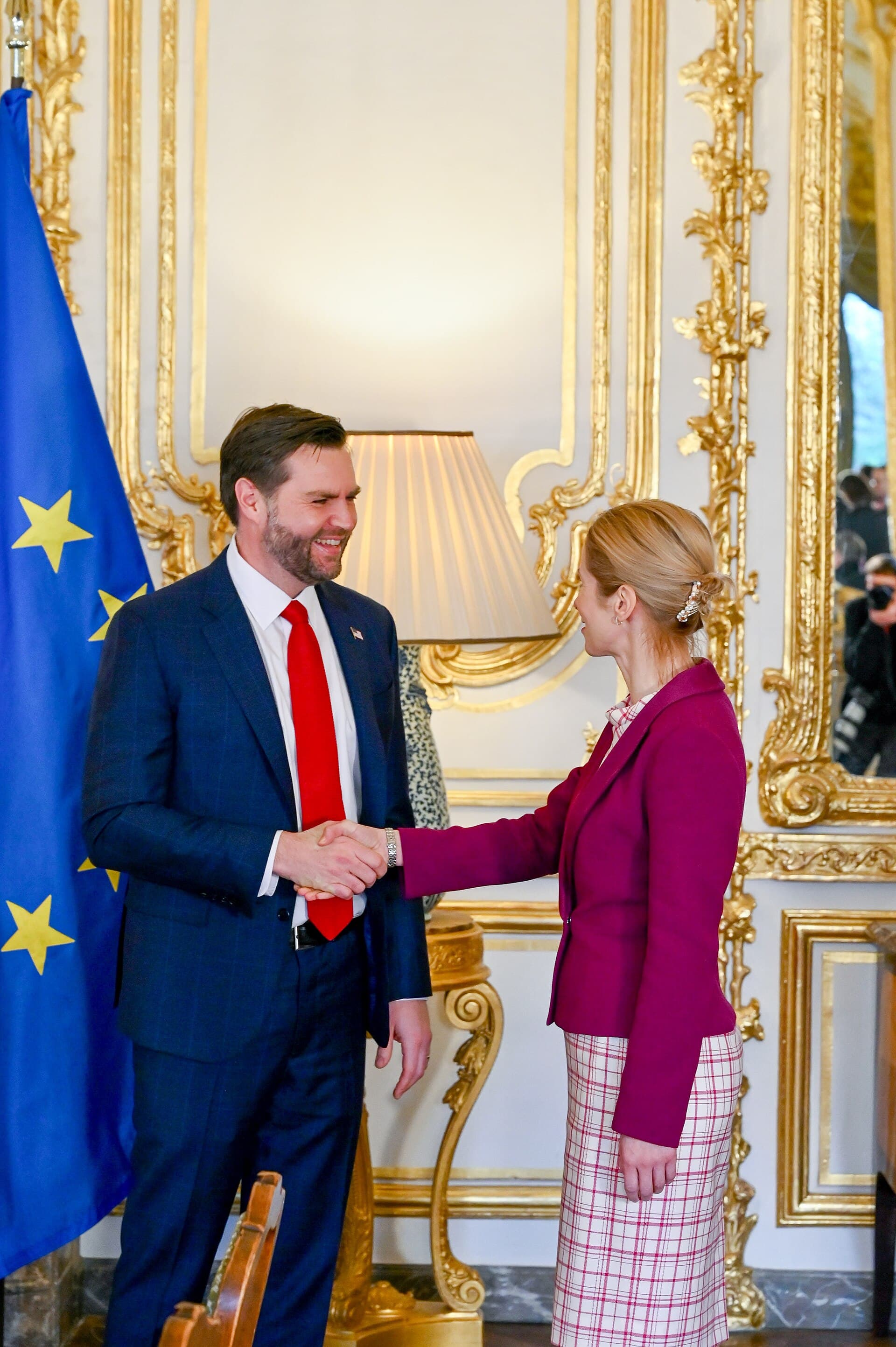
The dispute is likely to face resistance from member states wary of ceding more control over foreign policy to Brussels. For them, the question is not only whether Europe can act faster, but who should speak for Europe when wars, trade disputes and crises demand an answer.
This article was produced by Prism’s automated news system from verified source data, official records, and press releases, then run through automated quality and moderation checks before publishing. The system is built and supervised by the people who set the standards it runs under. Read our full AI policy.
Know something we missed? Have a correction or additional information?
Submit a Tip