Trump says U.S., Iran reached tentative settlement to begin talks
A tentative U.S.-Iran settlement could restart talks within days, but it still hinges on Trump’s approval, IAEA access and a fragile ceasefire clock.

A tentative U.S.-Iran settlement could reopen the Strait of Hormuz and buy time for new nuclear talks, but the real test comes after the announcement. Trump said the two sides could sign a peace deal as soon as this weekend, while Iran said it had not made a final decision and that no agreement text had been finalized.
The framework now under discussion centers on a 60-day extension of the ceasefire and a fresh round of negotiations over Iran’s nuclear program. Vice President JD Vance said the arrangement was still tentative and depended on whether Trump approved it, underscoring how much still had to be locked down before any paper became policy. That leaves the deal exposed to the oldest problem in U.S.-Iran diplomacy: the gap between a broad political signal and the specific terms needed to keep both sides inside the agreement.
Verification is the first major hurdle. The International Atomic Energy Agency says it stopped work in Iran after the June 22, 2025, strikes on three Iranian nuclear facilities and withdrew all inspectors by the end of that month for safety reasons. Any durable agreement would have to restore an inspection track, define what access inspectors get, and decide who verifies compliance if the two sides disagree over centrifuges, stockpiles or enrichment limits. Without that, the ceasefire could freeze fighting without resolving the nuclear issue that drove the confrontation.
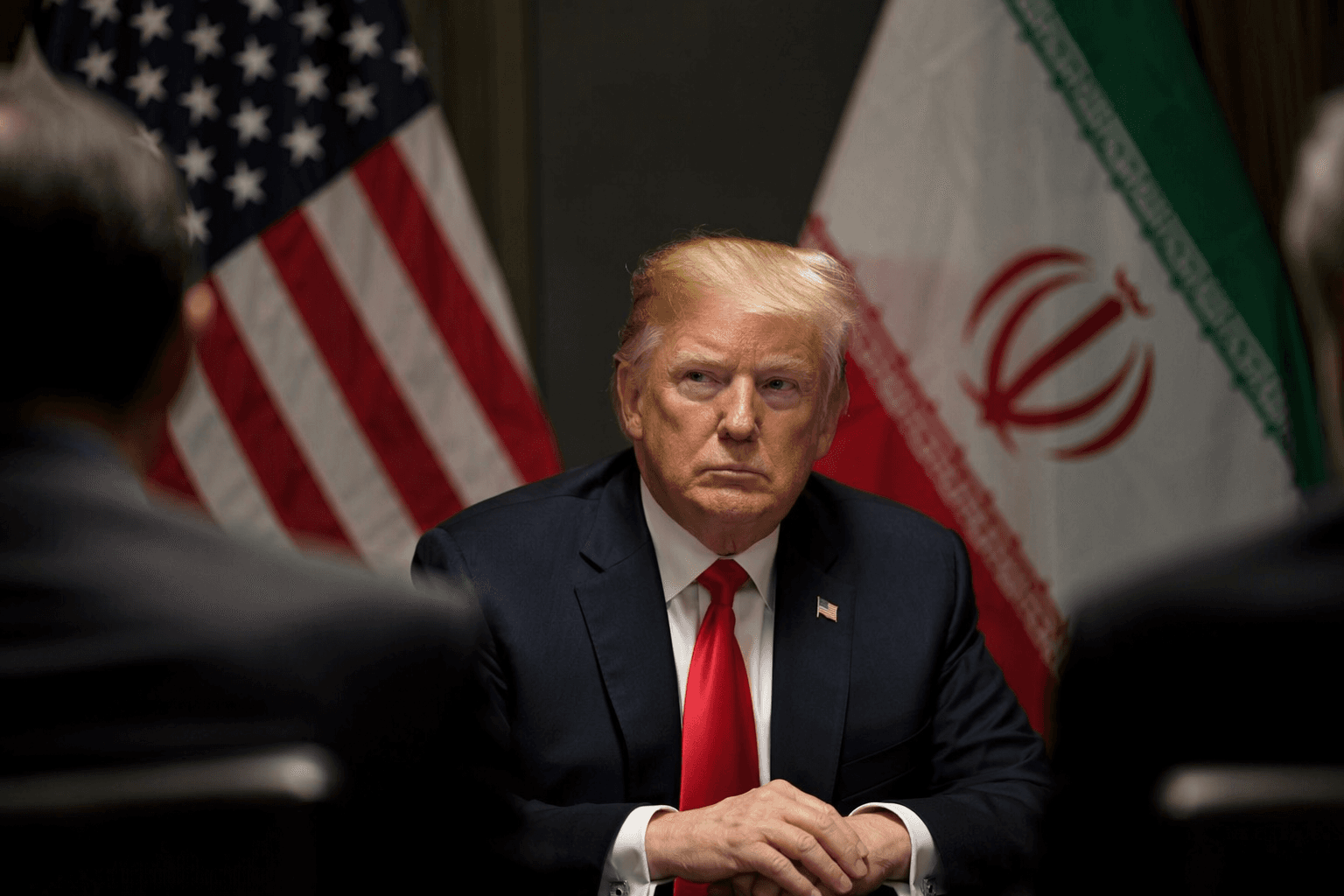
The timing matters because the conflict has already widened far beyond the negotiating table. The war began after U.S. and Israeli attacks on Iran in February 2026, and the Strait of Hormuz has become one of the biggest stakes in any settlement. Reuters reported that shipping through the waterway could resume once a deal is signed, a signal aimed at energy markets that depend on the strait’s traffic. Even a brief interruption in that channel can ripple through global oil prices, insurance costs and supply chains far outside the Middle East.
The political hazards are just as serious. Any sanctions relief tied to a deal would face scrutiny in Washington, where Congress could question whether Iran is getting too much too fast for too little verification. Regional allies, already wary of any arrangement that leaves Iran’s nuclear infrastructure intact, are likely to press for tighter enforcement and clearer red lines. If the written terms slip, if inspectors remain sidelined, or if either side says the other is violating the pause, the agreement could unravel before it ever becomes a lasting settlement.
This article was produced by Prism’s automated news system from verified source data, official records, and press releases, then run through automated quality and moderation checks before publishing. The system is built and supervised by the people who set the standards it runs under. Read our full AI policy.
Know something we missed? Have a correction or additional information?
Submit a Tip