France says cruise ship hantavirus matches known South American strain
France said the cruise ship virus matched known South American strains, easing fears of a new variant but leaving open how the MV Hondius outbreak spread.
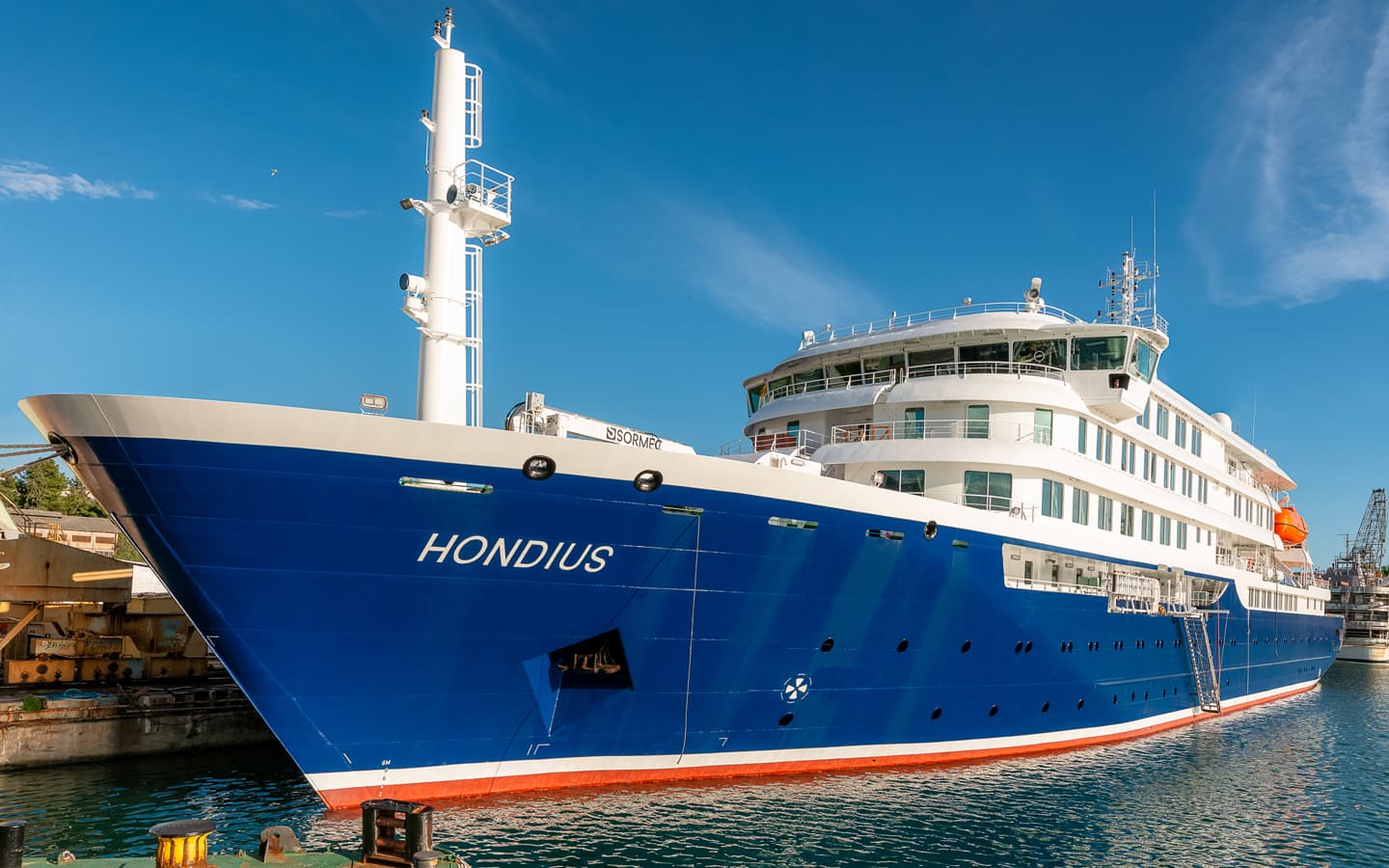
France’s Pasteur Institute has fully sequenced the Andes virus found in a French passenger from the MV Hondius and concluded it matched viruses already known in South America, a result that narrows fears of a novel mutation but does not answer how the shipboard outbreak spread.
French Health Minister Stéphanie Rist said the analyzed virus corresponds to strains already known and monitored in South America. That finding matters because it suggests the virus itself does not appear to have gained new characteristics that would make it more transmissible or more dangerous. It does not, however, rule out exposure during the cruise, contact with an infected person, or another link in the chain that public-health investigators are still tracing.

The World Health Organization said the outbreak was first reported on May 2, 2026, and that by May 8 there were eight total cases, including three deaths. Six of those infections were laboratory-confirmed as hantavirus cases, and all were identified as Andes virus. The cruise ship operator reported 147 passengers and crew onboard, along with 34 people who had already disembarked, giving investigators a wide contact-tracing net across several countries.
The U.S. Centers for Disease Control and Prevention says Andes virus can cause hantavirus pulmonary syndrome, a severe respiratory disease, and that while rodent exposure is the usual route, rare person-to-person transmission can occur. The World Health Organization likewise says limited human-to-human spread has been documented for Andes virus, unlike most other hantaviruses. That is why the strain sequence brings reassurance, but not closure: the key question remains whether anyone on the ship had exposure that could have passed the virus onward.

The Netherlands’ RIVM said passengers and crew from the cruise ship arrived by plane on May 10 and May 12, 2026, and were placed into quarantine or self-isolation for monitoring. In France, the Institut Pasteur’s National Reference Centre for Hantaviruses is analyzing samples from symptomatic people, underscoring how quickly the case moved from a single patient to an international public-health response. The sequence result may calm fears of a new viral form, but the outbreak still demands close scrutiny of cruise-health protocols, isolation measures and the moments before passengers stepped off the ship.
This article was produced by Prism’s automated news system from verified source data, official records, and press releases, then run through automated quality and moderation checks before publishing. The system is built and supervised by the people who set the standards it runs under. Read our full AI policy.
Did this article answer your question?


