Free Clinics Reach Uninsured Americans, but Red Tape Slows RAM's Life-Changing Work
Dave Burge stood in a 1,200-person line in Knoxville for free dentures from RAM, a charity that has treated over a million uninsured Americans but is stalled by state licensing rules.
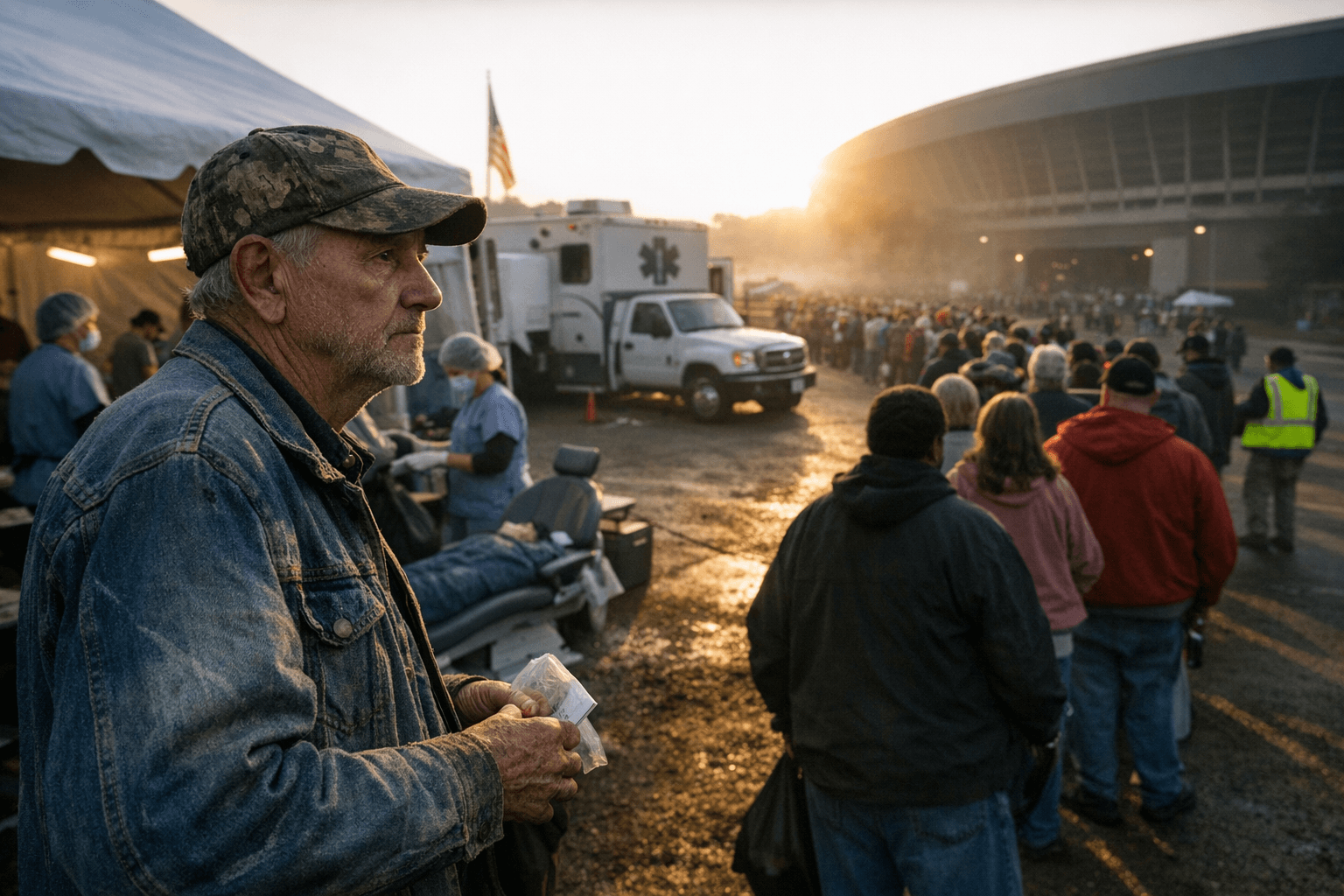
Dave Burge couldn't afford dentures. So the Tennessee man did what more than 1,200 other patients did in Knoxville on a recent weekend: he waited in line, some for days, for a free appointment at a Remote Area Medical pop-up clinic, where he finally received the dental care he needed.
"When they hand you your life back, that's life changing," Burge told CBS News correspondent Scott Pelley. "That's what teeth mean to me. I could be a normal human again."
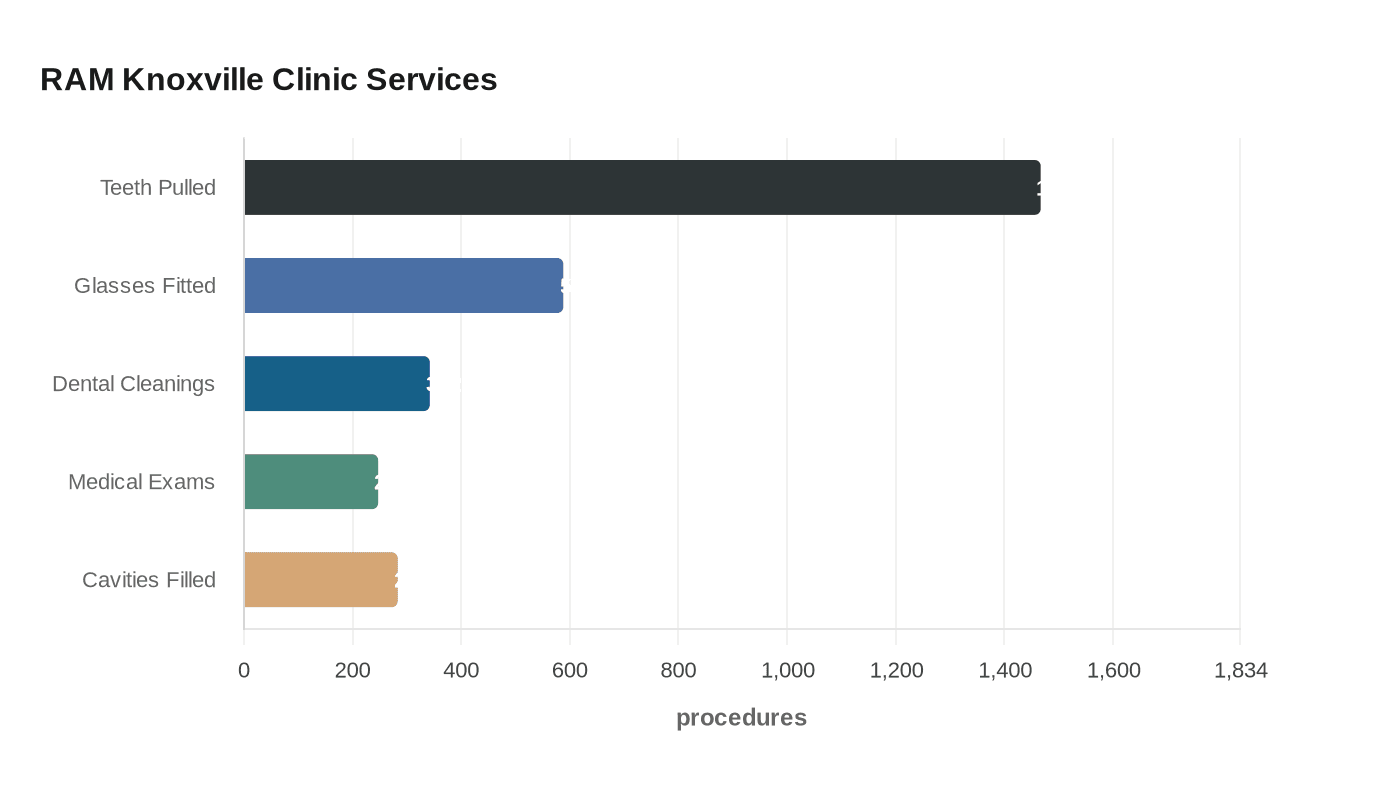
That single weekend in Knoxville captured RAM's scope in microcosm. Volunteers pulled 1,467 teeth, filled 283 cavities, performed 342 dental cleanings, conducted 247 medical exams, and fitted 588 pairs of glasses. A trailer on-site used 3D printers to manufacture dentures on the spot, built with help from 22-year-old engineer Connor Gibson. The total value of care delivered exceeded $1 million, at no cost to a single patient. The 887 volunteers who made it possible paid their own way from 30 states.
RAM was founded in 1985 by the late Stan Brock, an eccentric Englishman who had been a cowboy in the Amazon, a pilot, and a co-star on the television program "Wild Kingdom." When 60 Minutes first profiled the organization in 2008, Brock, then 73, was living in an office he had donated to RAM and showering with a garden hose, staging 12 clinics a year while taking no salary. After that broadcast, $4 million in donations poured in alongside thousands of new volunteers. Brock died in 2018. RAM now runs 90 clinics a year and has treated more than a million patients total, drawing on a volunteer base that exceeds a quarter million people.
Pelley returned to Knoxville for a new 60 Minutes segment that aired Sunday, nearly two decades after his original report. The backdrop is considerably more urgent: the affordable care marketplace is contending with rising premiums, and Medicaid is facing what advocates describe as its steepest proposed cuts ever. About half of RAM's patients carry no insurance at all. The remainder hold plans they can't afford to use because of co-pays and deductibles beyond their reach.
What RAM can offer, however, is constrained by a patchwork of state licensing laws that prevent medical volunteers from crossing state lines to provide free care. At the Knoxville clinic, professionals traveled from New Jersey, New York, Louisiana, and Washington to help meet demand. New Jersey dentist Glen Goldstein, a repeat RAM volunteer, described the frustration plainly. "What I do in New Jersey is the same thing I do in Tennessee or California," Goldstein said. "There are doctors willing to give their time, and they're restricted by a state license."
RAM's Chris Hall framed the structural problem this way: "Medical providers train for years all across state lines. But when it comes to licensing, they get licensed in one state. And there's red tape that prevents them from crossing state lines to provide free care."
Goldstein and others are now advocating for federal legislation that would allow licensed medical professionals to volunteer freely across all 50 states. Tennessee has already adopted a model other states have begun to follow, permitting out-of-state licensed volunteers to practice within its borders without additional credentialing. For patients who sleep in their cars just to reach the front of a line, the pace of that policy progress carries a very human price.
This article was produced by Prism’s automated news system from verified source data, official records, and press releases, then run through automated quality and moderation checks before publishing. The system is built and supervised by the people who set the standards it runs under. Read our full AI policy.
Did this article answer your question?


