Free Wear Blue Day Training in Key West Teaches Human Trafficking Signs
Key West held a free Wear Blue Day training on Jan. 12 teaching residents how to spot human trafficking signs and where to seek help, a key step for a tourism-driven community.
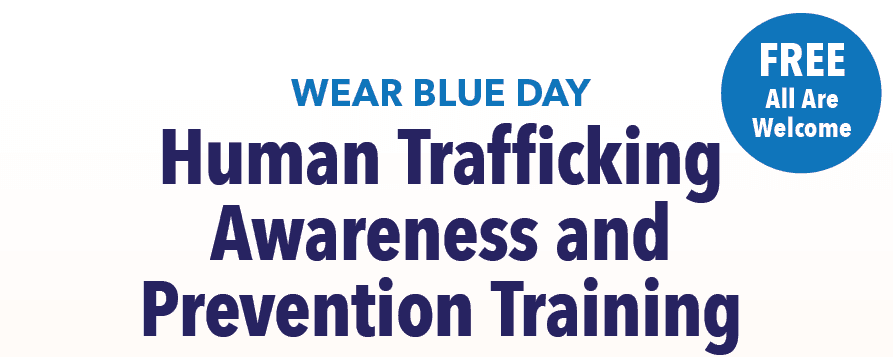
On Jan. 12 the Key West Public Library hosted a free Wear Blue Day Human Trafficking Awareness and Prevention Training, drawing local residents to a 90-minute session on identifying trafficking indicators and connecting victims with services. The event ran from 11:00 a.m. to 12:30 p.m. at 700 Fleming Street and was presented by the Miami Victim Assistance Program Team, the Florida Department of Children and Families, and the Florida Department of Health in Monroe County. Participants were invited to wear blue for an optional group photo.
The training targeted front-line community members who interact with visitors and vulnerable residents, including hospitality workers, social service providers, and concerned citizens. Organizers emphasized practical signs to watch for and the local channels available to support victims. Providing the session free of charge and on a weekend midday made it accessible to people who work nonstandard hours in the Keys' service economy.
Human trafficking is not only a criminal and humanitarian issue but also an economic one for Monroe County. The community’s heavy reliance on tourism and service-sector employment means that exploitation can disrupt labor markets, increase costs for health and social services, and damage the region’s reputation with visitors. Preventive training aims to reduce those downstream costs by improving early detection and referrals, which can limit longer-term expenditures on law enforcement, medical care, and social stabilization.
The joint presentation by a Miami victim assistance team and two state agencies illustrates a coordinated policy approach that mixes local response capacity with regional resources. This model reflects broader trends in victim services toward cross-jurisdictional collaboration and prevention-focused spending. For policymakers, the session highlights the importance of funding outreach and training so that frontline workers in concentrated tourist areas are prepared to act quickly and safely.

For Monroe County residents the immediate value is practical: attendees returned with knowledge of warning signs and the agencies that can intervene. For local businesses, the training represents an investment in safer workplaces and sustained visitor confidence. Over the longer term, routine community trainings can form part of a resilience strategy that protects both residents and the local economy.
Residents who missed the Jan. 12 session can look for future offerings from the Florida Department of Children and Families and the Florida Department of Health in Monroe County, and can contact those agencies for guidance on prevention, reporting, and victim support. Continued local engagement and funding for prevention will determine how effectively the Keys limit harm and protect both people and the region’s economic base.
Sources:
Know something we missed? Have a correction or additional information?
Submit a Tip