French and Japanese Ships Resume Hormuz Transits After Month-Long Halt
The CMA CGM Kribi and a Mitsui OSK Lines LNG tanker became the first Western and Japanese vessels to clear the Strait of Hormuz since U.S.-Israeli strikes on Iran shut the corridor.
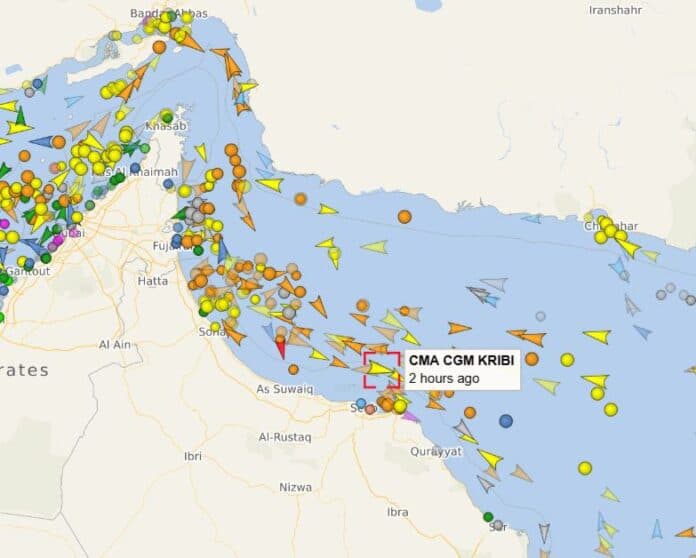
The CMA CGM Kribi cleared the Strait of Hormuz on Friday, becoming the first French-linked container ship to transit the critical waterway since U.S. and Israeli strikes on Iranian territory in late February effectively shuttered commercial traffic. A Mitsui OSK Lines part-owned liquefied natural gas tanker made the same passage the same day, with the Japanese shipping company confirming the crossing, marking the first known transit by a Japanese-affiliated vessel in more than a month.
The two crossings are modest in scale but carry considerable weight. The Strait of Hormuz is the world's most consequential maritime chokepoint, with roughly one-fifth of global seaborne oil historically flowing through its narrow passage between Iran and Oman. Since the late-February strikes, traffic had practically halted, forcing carriers to divert to longer, costlier routes or suspend operations entirely while insurers and flag states assessed the mounting risk.
Ship-tracking data and two people familiar with the situation confirmed the CMA CGM Kribi transit. The simultaneous passage of vessels affiliated with two of the world's leading maritime nations suggests at least some charterers and operators have recalibrated their risk assessments enough to attempt the route, even as the broader security environment remains deeply unstable.
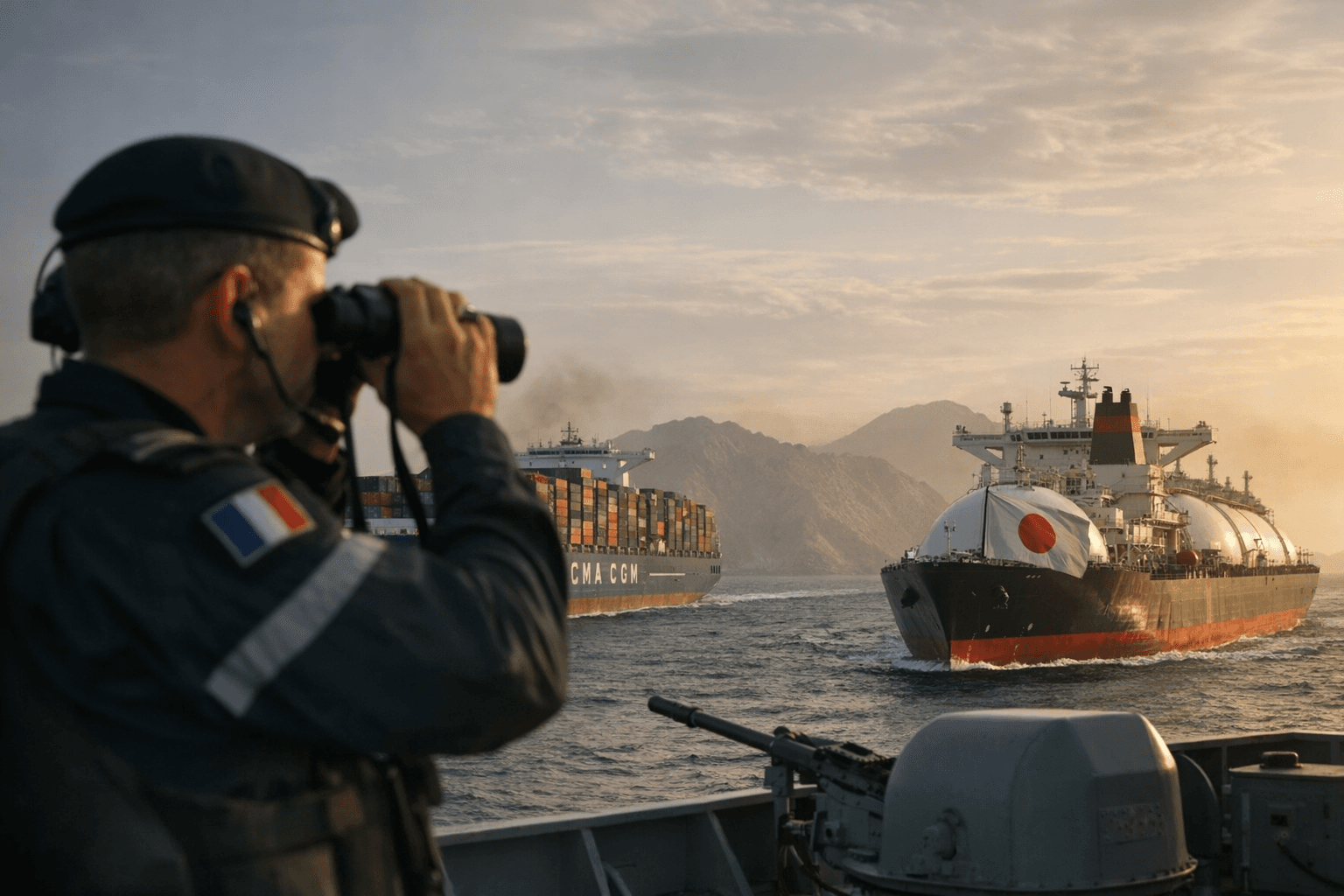
Whether these passages represent the beginning of a sustained reopening or an isolated test remains an open question. Insurance markets, naval escort calculations, and diplomatic pressure are all in flux. Any new strike, miscalculation, or sudden withdrawal of war-risk coverage could close the corridor again. Military planners overseeing U.S. and allied naval operations already active in the region will be watching closely to determine how escort requirements and rules of engagement should shift if additional commercial traffic attempts the route.
The practical consequences of even a partial reopening could be significant. Energy markets and global supply chains absorbed weeks of rerouting costs, and logistics operators have been scanning shipping data for any indication that normal flows might resume. The CMA CGM Kribi and the Mitsui OSK Lines tanker provided that indication on Friday; governments in Paris and Tokyo now face immediate decisions about whether to encourage more normal operations, press for multinational convoy arrangements, or keep their national carriers clear until the situation stabilizes further.
This article was produced by Prism’s automated news system from verified source data, official records, and press releases, then run through automated quality and moderation checks before publishing. The system is built and supervised by the people who set the standards it runs under. Read our full AI policy.
Did this article answer your question?


