French police investigate alleged airport sensor tampering tied to Polymarket bets
French police are probing whether a hacked airport sensor helped turn a $120 Polymarket wager into about $21,000, raising fresh doubts about market-based truth.
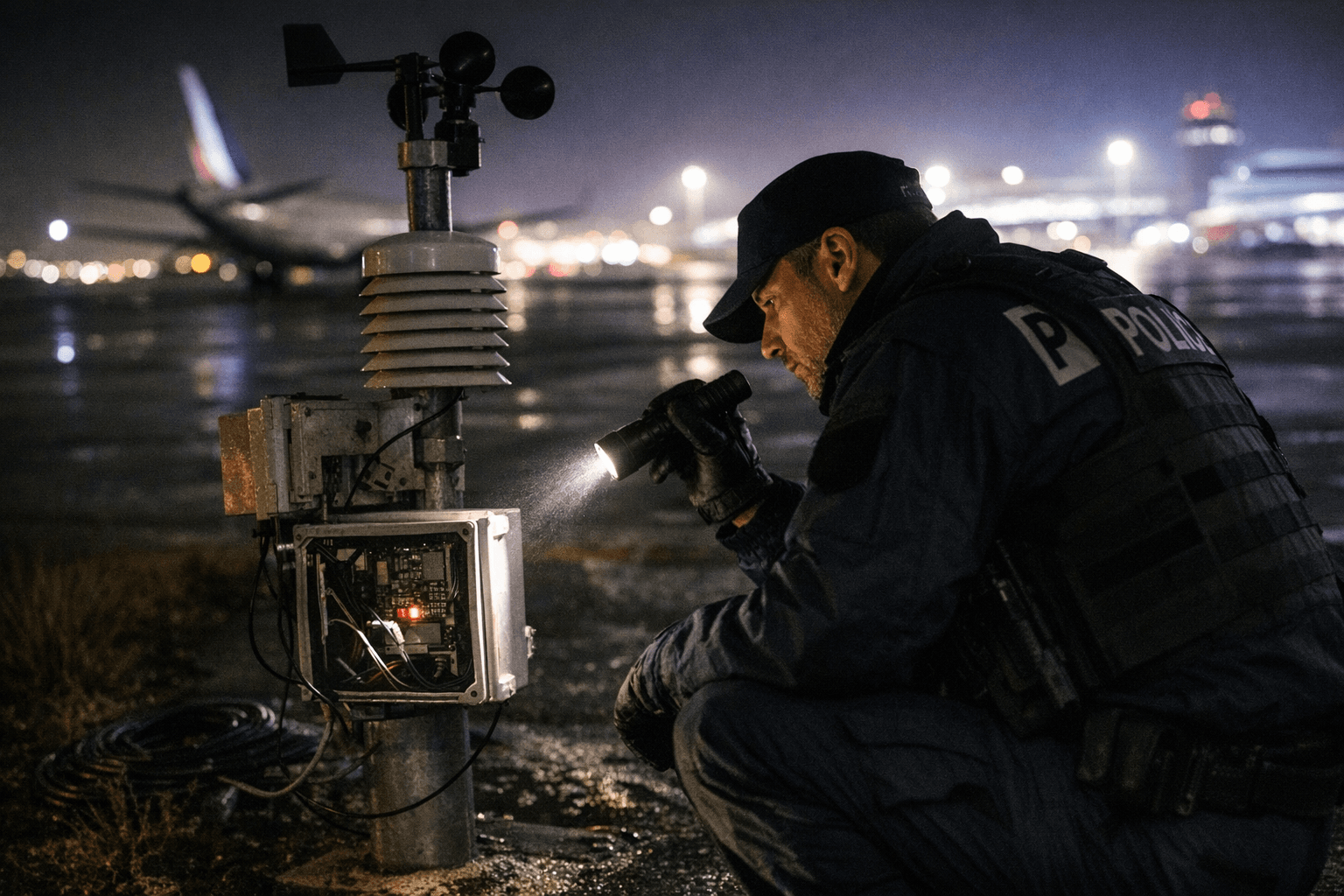
French police are investigating whether someone tampered with a weather sensor at Paris-Charles de Gaulle Airport to profit from Polymarket bets, a case that has sharpened doubts about whether prediction markets can reliably reflect collective intelligence when the underlying data can be nudged at the margins.
Météo-France filed a formal complaint over alleged tampering with an automated data processing system at the airport, the country’s largest, after temperature readings jumped sharply on April 6 and April 15. Reports say the sensor spikes were unusually abrupt, rising by about 4°C to 5°C and reaching the highest temperatures recorded at the site on those days. The case has since been referred to French police for investigation.
The concern is not just that someone may have tried to game a bet. The airport station’s readings matter for day-to-day operations at Charles de Gaulle, where weather data helps inform aviation decisions. When those measurements become the target of manipulation, the damage extends beyond a trading platform and into a critical piece of infrastructure that pilots, dispatchers and forecasters rely on.
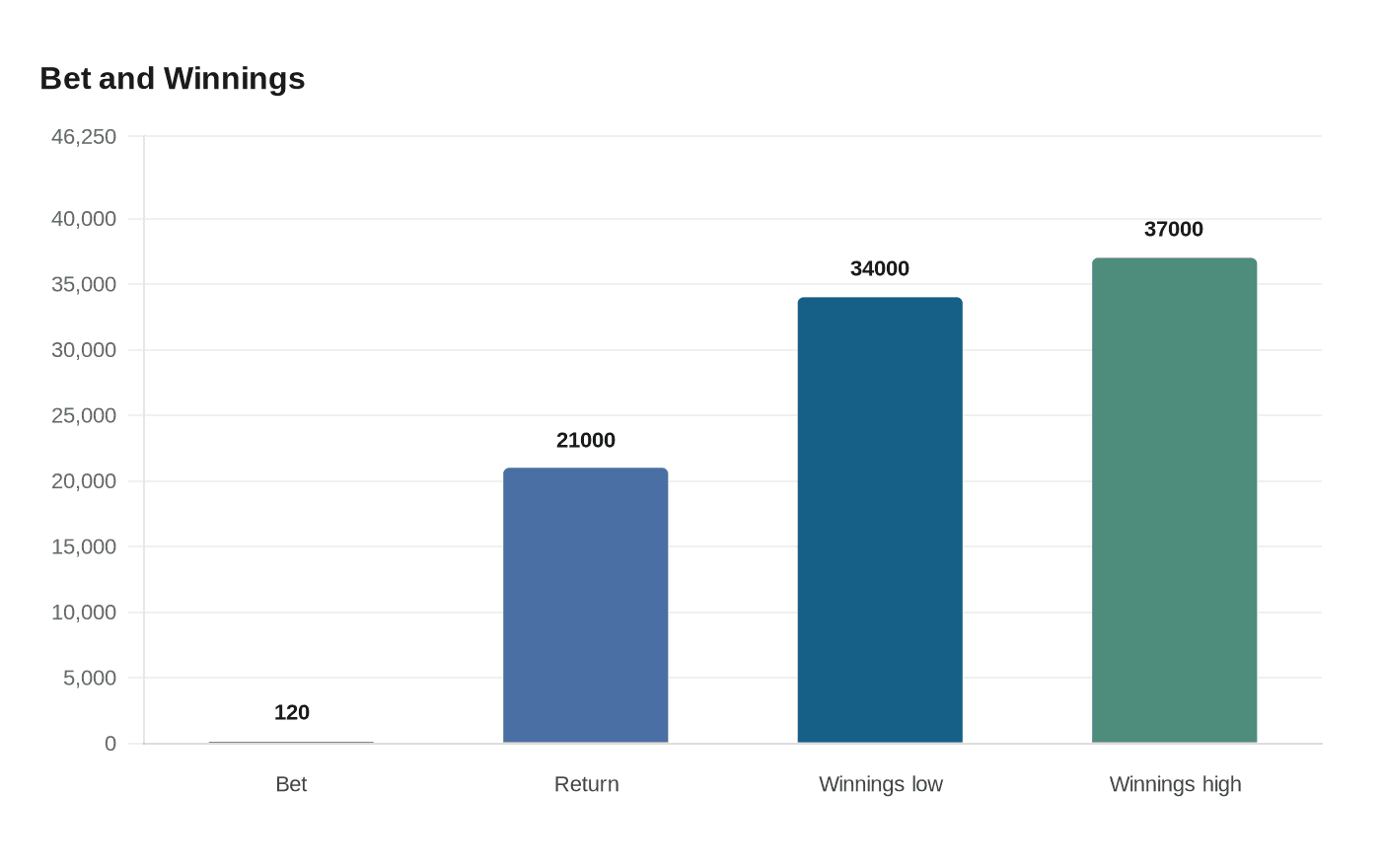
The betting angle has given the episode extra force. Multiple reports say the suspicious Polymarket wagers tied to the temperature swings generated roughly $34,000 to more than $37,000 in winnings. One reported bet of $120 returned about $21,000, a roughly 180-fold gain, and the odds were said to have been under 1% shortly before one of the spikes. Some investigators believe a low-tech tool, possibly a hair dryer or similar heat source, may have been used to influence the sensor.
Polymarket reportedly moved the resolution source for its Paris weather market from Charles de Gaulle to Paris-Le Bourget airport after the incident, but did not cancel the contracts or refund bettors. That decision has become part of the larger credibility crisis surrounding the platform. Polymarket’s pitch rests on the idea that markets can surface truth more efficiently than institutions can, yet this episode shows how fragile that promise can be when a single physical sensor can be pushed off course.
The case has now become a test of trust. If a weather reading at one airport can be distorted enough to shape a profitable outcome, then the claim that prediction markets simply aggregate reality starts to look less like a principle and more like a vulnerability.
This article was produced by Prism’s automated news system from verified source data, official records, and press releases, then run through automated quality and moderation checks before publishing. The system is built and supervised by the people who set the standards it runs under. Read our full AI policy.
Did this article answer your question?