FTC nears settlement with advertisers in boycott probe of X
The FTC is weighing a settlement with major ad firms as it tests whether coordinated ad pullbacks against X crossed into illegal collusion.
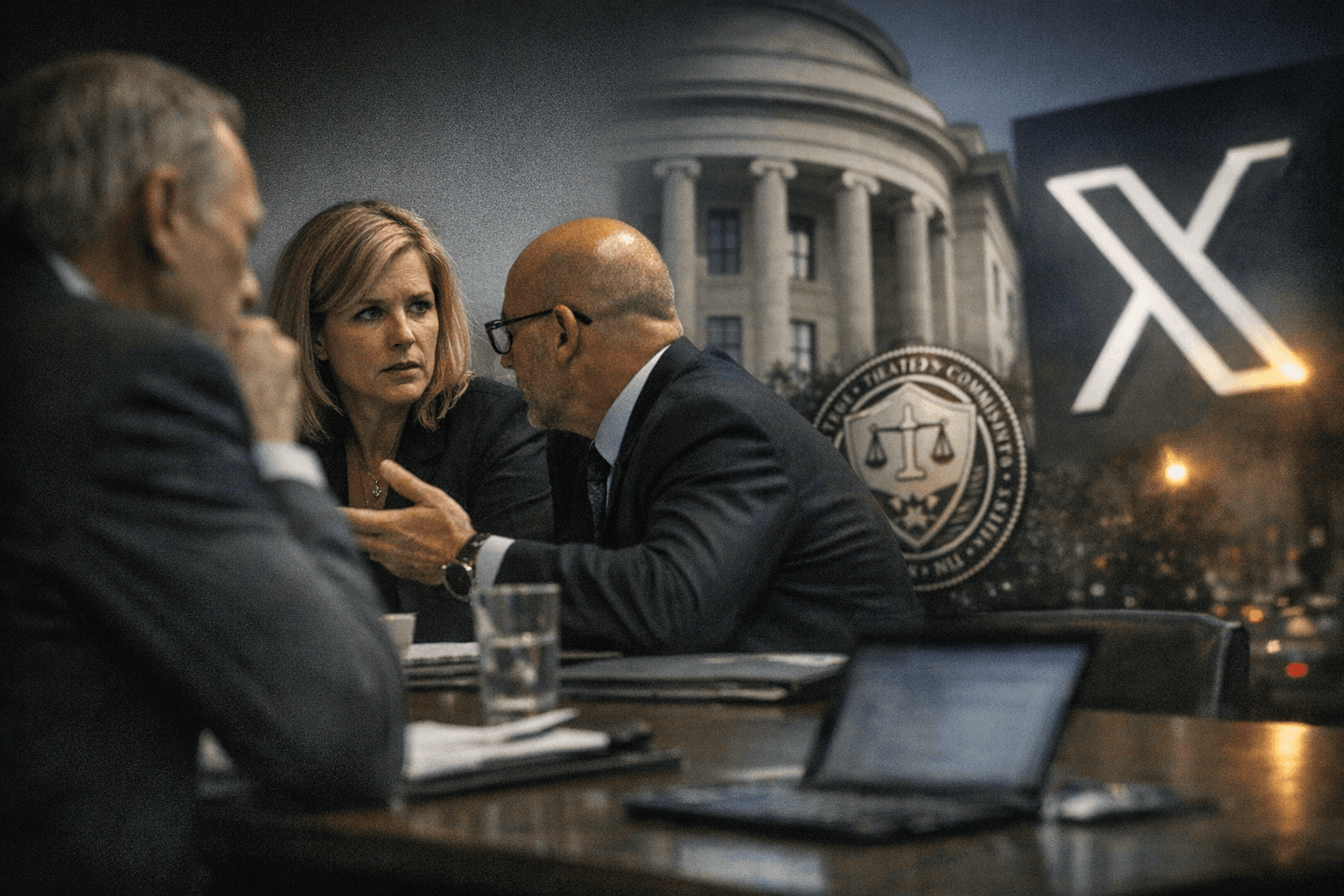
The Federal Trade Commission was negotiating a possible settlement with several major advertising companies over an antitrust probe into whether they coordinated boycotts against platforms including X, a move that could decide how far regulators will go in policing ad-market coordination.
The talks put the agency at a crucial point in a fight that reaches beyond one social network. Investigators have been examining whether advertisers acted together rather than independently when deciding where to place client dollars, a distinction that matters because antitrust law generally permits each company to choose its own spending but bars collusion that restrains competition. If the FTC secures a deal, it could establish a template for how ad buyers, agencies and platforms are allowed to interact when brand-safety concerns and political pressure collide.
The dispute has dogged X since Elon Musk bought Twitter in 2022 and rebranded it as X, after advertisers pulled back over worries about toxic content and brand safety. That retreat left the platform more exposed to swings in ad demand, and it turned ordinary media-buying choices into a broader fight over whether major firms were using coordinated pressure to punish a platform over speech and moderation decisions.
The investigation has already widened beyond the initial ad buyers. In May 2025, the FTC sought information from major ad agencies, and Reuters-linked reporting later identified Omnicom, WPP, Dentsu, Interpublic Group, Publicis Groupe, Havas and Horizon Media among the firms that received letters or information requests. The agency also expanded scrutiny to groups such as Media Matters, underscoring that the probe has become as much about alleged coordination across the ad ecosystem as about spending decisions at any one company.
The legal backdrop remains unsettled. Bloomberg reported on January 22, 2026, that the FTC was still pursuing the boycott investigation even after a federal judge said part of a related probe was retaliatory and violated free-speech rights. Then, in March 2026, a federal judge dismissed X’s antitrust lawsuit against advertisers, a setback for Musk’s company as it tried to prove a coordinated boycott in court.
A settlement would not end the policy fight so much as define its next phase. For regulators, the case is a test of whether they can treat alleged ad boycotts as antitrust violations without chilling independent business decisions. For platforms, advertisers and agencies, the outcome could shape disclosure practices, coordination rules and the limits of using ad spending as leverage in disputes over content, safety and corporate speech.
This article was produced by Prism’s automated news system from verified source data, official records, and press releases, then run through automated quality and moderation checks before publishing. The system is built and supervised by the people who set the standards it runs under. Read our full AI policy.
Did this article answer your question?

