JBS meatpacking workers in Greeley reach deal, ending three-week strike
3,800 Greeley meatpackers won raises and a $750 bonus after a three-week walkout, ending the first U.S. slaughterhouse strike since 1985.
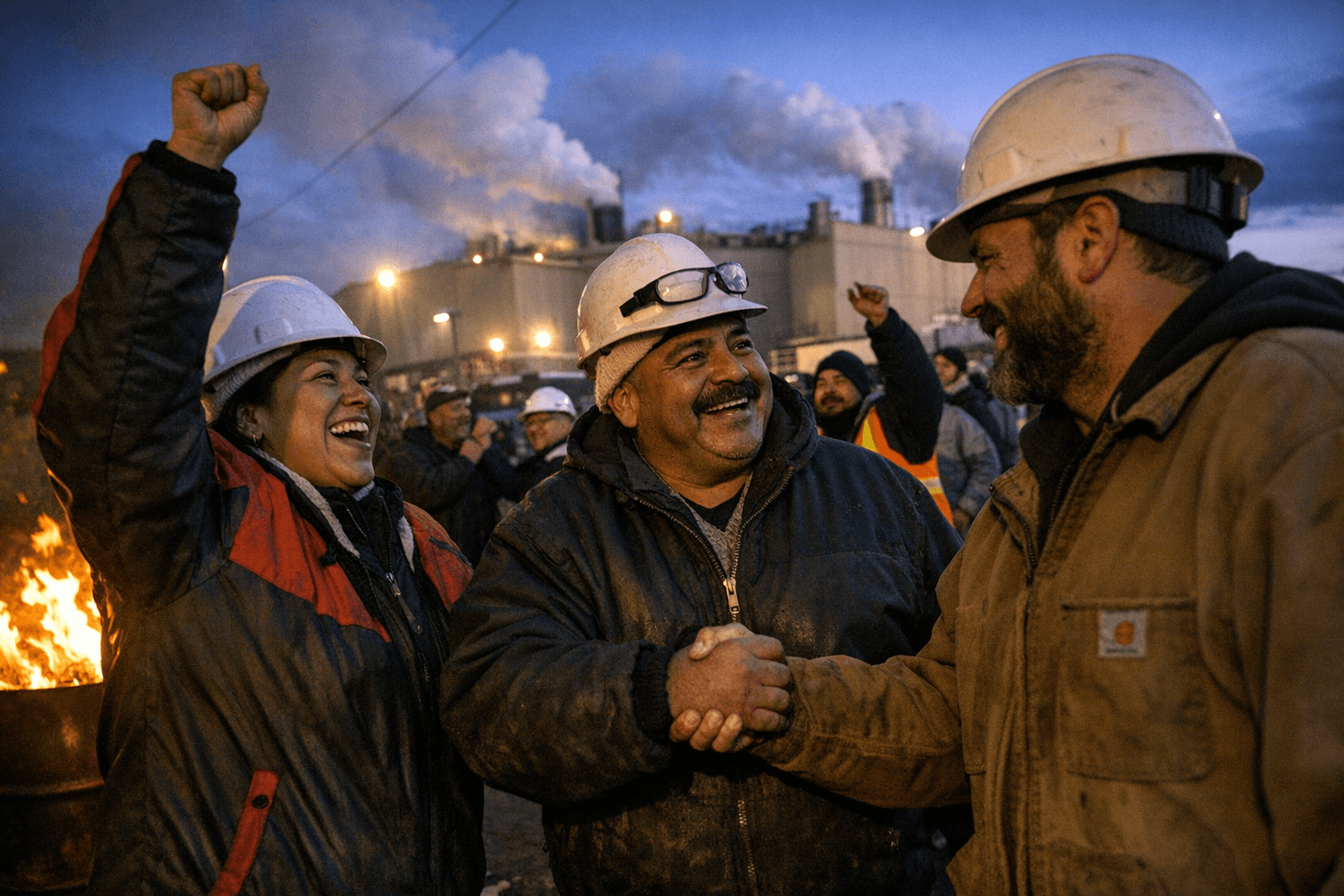
JBS USA and workers at its Swift Beef Co. plant in Greeley, Colorado, reached a deal that ended a three-week strike and sent one of the nation’s largest meatpacking plants back toward normal operations. The agreement covered about 3,800 workers who walked off the job over pay and health care, a rare disruption at a plant that processes about 6,000 cattle a day.
The two-year contract gives workers wage increases over the next two years and a $750 one-time bonus. Additional reporting said the agreement includes a $1.50 base wage increase by July 2027. JBS also said the pension benefit for Greeley meatpacking workers was eliminated, with that money shifted into short-term wage gains instead of retirement security. The union said the deal protects workers from paying for personal protective equipment and from increases in health care costs. JBS said some workers had been charged for replacement PPE before the agreement.
United Food and Commercial Workers Local 7 called the settlement one with “all gains, countless improvements, and not a single concession.” Kim Cordova, the union’s president, said workers picketed through extreme weather because they knew their worth and refused to be disrespected. She cast the outcome as a straight demonstration of union power after workers voted 99% in February to authorize an unfair labor practice strike. The strike ended April 4 after JBS agreed to resume negotiations, and bargaining sessions were set for April 9 and 10.
JBS said it was glad to have a finalized agreement and looked forward to restoring stability at the plant, while also saying it was disappointed that union leadership chose to eliminate pension benefits negotiated last year. The dispute had become a test of how much pressure labor can still bring to bear in an industry where thin margins, physical strain and supply-chain disruption leave little room for prolonged conflict.
The strike was the first at a U.S. slaughterhouse since 1985, when about 1,500 Hormel Foods workers in Austin, Minnesota, walked out on Aug. 17 and stayed out for 13 months. That fight drew in the National Guard to protect replacement workers. In Greeley, the shorter but still consequential walkout showed that meatpacking labor can still force concessions at a politically sensitive, supply-chain-critical plant, with implications well beyond one Colorado facility for wages, benefits and the balance of power in food processing.
This article was produced by Prism’s automated news system from verified source data, official records, and press releases, then run through automated quality and moderation checks before publishing. The system is built and supervised by the people who set the standards it runs under. Read our full AI policy.
Did this article answer your question?

