FTSE Russell delays March Indonesia index review over trading transparency concerns
FTSE Russell postponed a planned March review of Indonesian equities after advisory committee flags low turnover and uncertainty in free-float calculations.
FTSE Russell said in a February 9 statement that it has postponed a review of Indonesian equities that had been scheduled for March, citing advisory-committee feedback that raised concerns about low turnover and uncertainty in free-float calculations for Indonesian securities. The move leaves the timing and scope of any future review unclear.
Index reviews determine which stocks meet investability criteria and how much passive investors must buy or sell when indices are rebalanced. FTSE Russell’s decision reflects two technical vulnerabilities that index providers use to judge market readiness: trading liquidity and reliable free-float data. Low turnover can make it difficult for large institutional investors and exchange-traded funds to put new index weightings into place without creating market disruption. Uncertainty in free-float calculations affects eligibility and relative weights because free-float determines the portion of a company’s shares deemed available to external investors.
The advisory committee’s concerns were not quantified in the public statement supplied, and FTSE Russell has not specified a new timetable for the postponed review. The company did not indicate which of its indices were in scope. Those gaps increase near-term uncertainty for index-tracking funds and active managers that base portfolio adjustments on regularly scheduled index reviews. Market participants typically use the lead time between announcement and implementation to rebalance holdings; postponement can delay flows and change short-term demand for affected stocks.
For Indonesia, the decision highlights a broader issue for emerging markets: meeting the investability standards set by global index compilers requires transparent trading data and consistent disclosure. Free-float calculations can be complicated by cross-shareholdings, state ownership, or restrictions on foreign ownership, and discrepancies in published shareholder registers or corporate reporting can lead index committees to question available float. Likewise, sustained low turnover raises questions about market depth and the ability of large funds to trade without severe price impact.
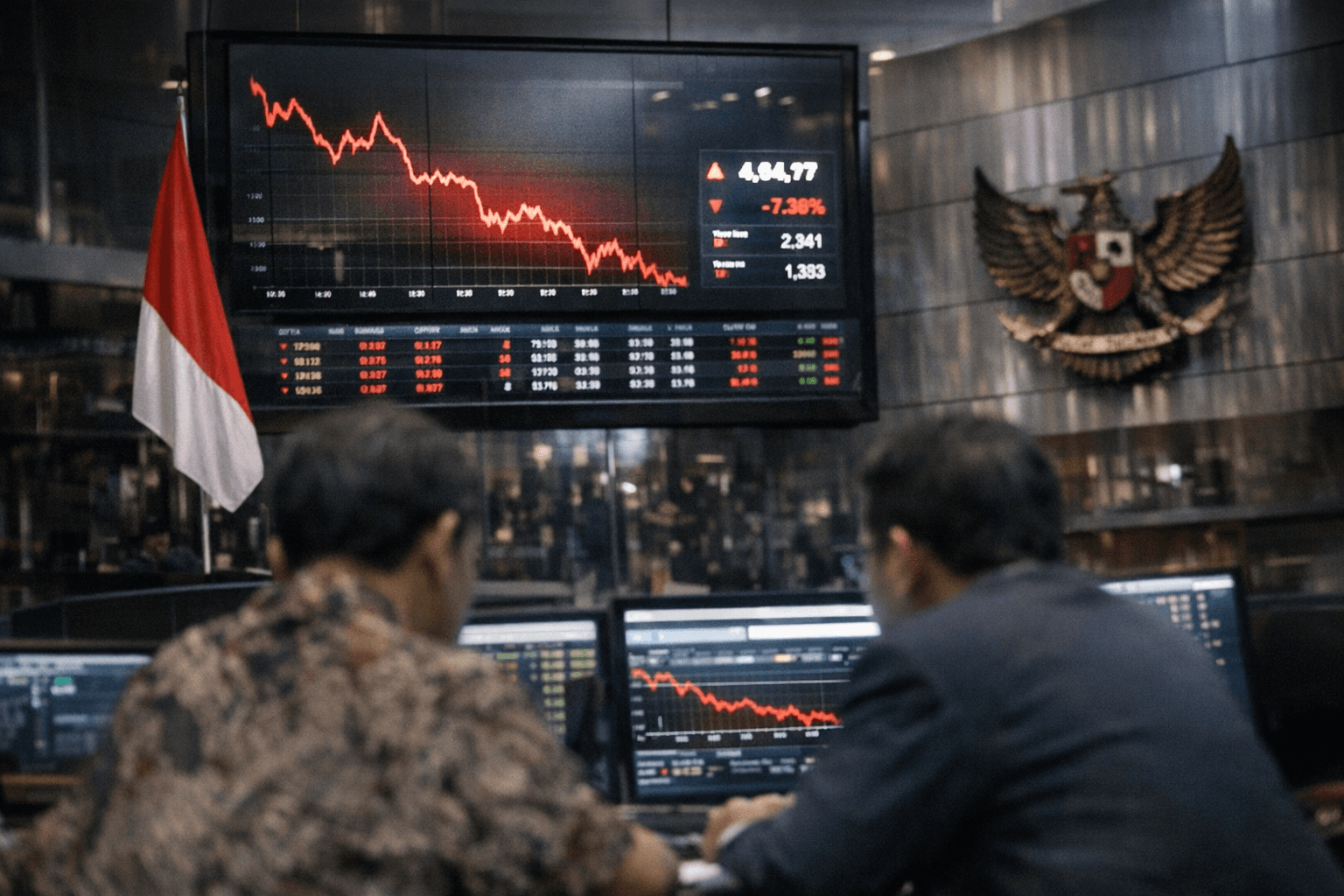
The immediate market impact will depend on how index-tracking funds and active managers respond. Some funds may wait for a formal rescheduling before rebalancing, while others could use proprietary thresholds to adjust portfolios. A delayed review can reduce forced selling or buying in the near term but prolongs uncertainty about structural weightings in global benchmarks, which can influence foreign portfolio allocations to Indonesia over months.
Policy implications are also material. Regulators and the exchange may face pressure to improve disclosure and trading transparency to satisfy index providers’ criteria. Steps that could address the concerns include clearer reporting of share registers, streamlined processes for free-float calculations, and measures to deepen secondary market trading. Transparency reforms would not only help satisfy index methodology but also support broader investor confidence and capital inflows.
FTSE Russell’s February 9 statement sets a short-term pause but leaves unanswered questions that matter to investors: which indices were affected, what specific liquidity or free-float thresholds were at issue, and when the review will be rescheduled. Those details will determine whether the postponement is a procedural delay or a signal of deeper challenges in Indonesia’s market structure.
This article was produced by Prism’s automated news system from verified source data, official records, and press releases, then run through automated quality and moderation checks before publishing. The system is built and supervised by the people who set the standards it runs under. Read our full AI policy.
Did this article answer your question?

