Epic to spend $800 million with Google on secret “metaverse browsers” deal
Court filings and testimony show Epic will pay $800 million to Google over six years for work tied to a new class of “metaverse browsers,” raising antitrust and platform concerns.
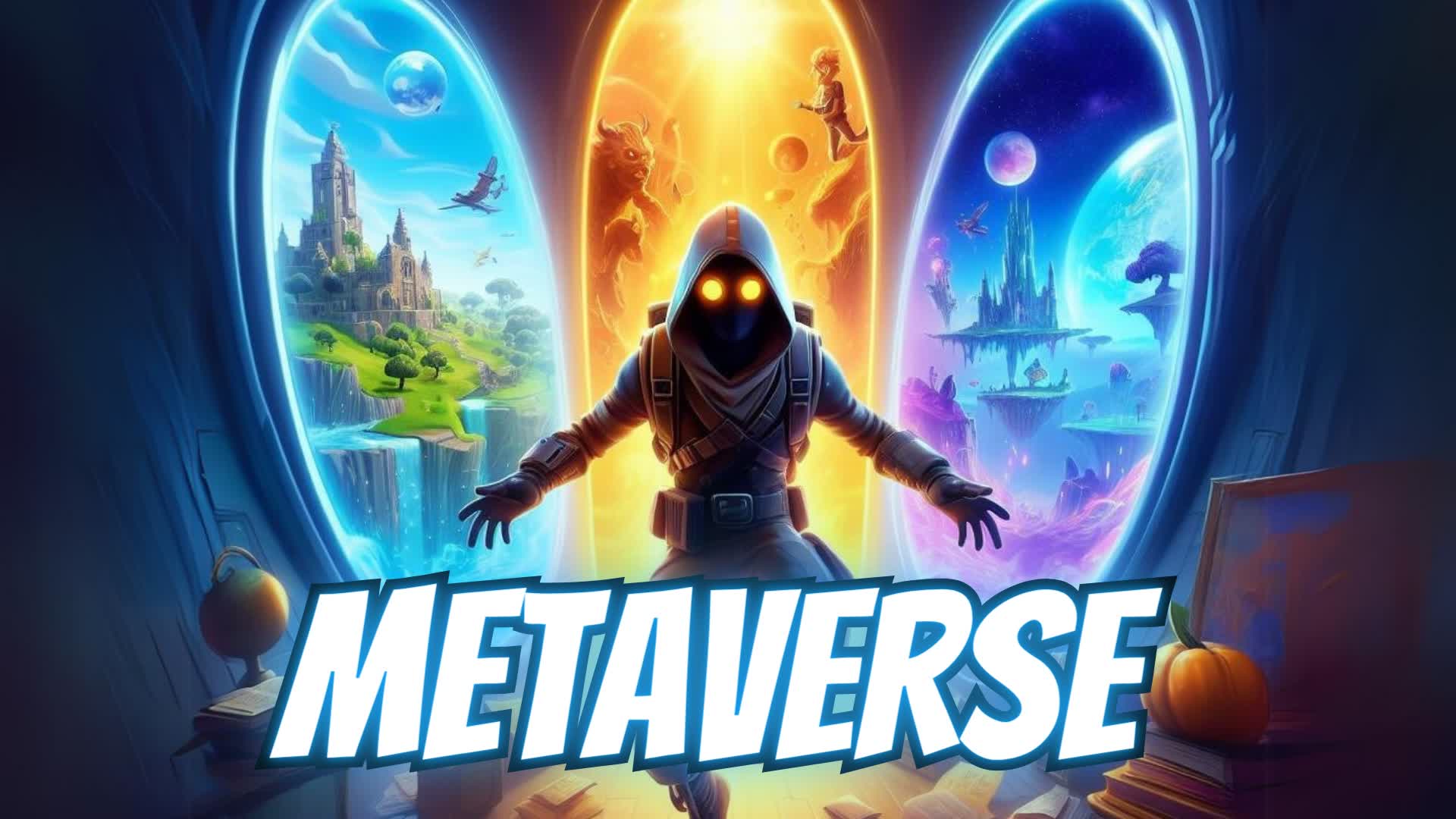
Epic Games will spend $800 million buying services from Google over six years under a confidential commercial arrangement that references a new class of apps called “metaverse browsers,” court filings and live testimony revealed in a San Francisco settlement hearing.
A heavily redacted revised binding term sheet disclosed to the court identifies cooperative work that both companies described as related to the metaverse and to Epic’s Unreal Engine and Fortnite. Epic CEO Tim Sweeney said the deal reflects “new business between Epic and Google,” and acknowledged the agreement touches on how Google might use Epic technology to train products, saying, “Epic’s technology is used by many companies in the space Google is operating in to train their products, so the ability for Google to use the Unreal Engine more fullsome… sorry, I’m blowing this confidentiality.”
Judge Donato pressed witnesses about the commercial swap and its effect on the broader settlement, asking, “You’re going to be helping Google market Android, and they’re going to be helping you market Fortnite; that deal doesn’t exist today, right?” The judge expressed concern that the partnership could have softened Epic’s demands in its long-running litigation with Google, a consideration that could affect approval of the settlement.
Sweeney sought to limit interpretations of the relationship, saying, “This is Google and Epic each separately building product lines.” He also acknowledged the arrangement transfers value: “We view this as a significant transfer of value from Epic to Google.” Epic told the court that the Epic Games Store would not receive any special treatment on Android under the agreement.
Most operational details remain sealed. Portions of the term sheet are heavily redacted and the judge allowed the companies to keep key clauses under wraps, leaving unanswered questions about what “metaverse browsers” will do, what services Google will provide for the $800 million, and whether licenses would permit Google to use Unreal Engine data for artificial intelligence training at scale.

The deal, as described in court, mixes technical and commercial implications. If Google is granted rights to integrate or train models on Unreal Engine assets, developers and users could see changes in how game assets, analytics data, and virtual experiences are reused or monetized. A marketing exchange tied to Android and Fortnite could shift distribution dynamics for apps and in-game promotions, and raise fresh antitrust scrutiny about preferential treatment and platform neutrality.
For consumers the immediate impact is unclear. Fortnite players may see closer promotional ties with Android, and developers who have long argued for equal treatment on mobile platforms will be watching whether the agreement creates private pathways that advantage Epic or Google. For regulators and judges, the biggest question is whether sealed commercial deals materially alter the competitive landscape that underpinned the litigation.
With the settlement still subject to judicial approval and many contract terms redacted, the public record is likely to expand only through formal court filings or further testimony. Until then, the combination of an $800 million payment, references to metaverse browsers, and explicit courtroom concern marks a significant new chapter in the companies’ fraught relationship and in how major tech platforms negotiate access to immersive apps and developer tools.
This article was produced by Prism’s automated news system from verified source data, official records, and press releases, then run through automated quality and moderation checks before publishing. The system is built and supervised by the people who set the standards it runs under. Read our full AI policy.
Know something we missed? Have a correction or additional information?
Submit a Tip