Oil swings as U.S.-Iran talks falter, Strait tensions rattle markets
Crude swung from a sharp April 14 selloff to a 6.9% rebound as U.S.-Iran talks stalled, shaking stocks and inflation bets.

Oil traders spent the week reacting less to supply-and-demand fundamentals than to the next diplomatic headline, a reminder that the path of U.S.-Iran talks now has a direct line to retirement accounts, fuel bills and inflation expectations. A tentative easing in tensions sent crude tumbling, then a fresh rupture over the Strait of Hormuz jolted prices back up and briefly rattled stocks.
On April 14, Brent crude fell 4.6% to below $95 a barrel and West Texas Intermediate dropped 7.9% to about $91 after signs emerged that Washington and Tehran were trying to arrange a second round of peace talks before a ceasefire was due to expire. Traders said the move reflected positioning and technical selling as much as the underlying outlook. But by April 19, that optimism had faded. The U.S. seizure of an Iranian cargo ship and Iran’s decision not to join a second round of negotiations reignited fears that the Strait of Hormuz could become a chokepoint again, sending U.S. crude up 6.9% to $89.61 a barrel and Brent up 5.6% to $95.48. Reuters said the Nasdaq ended a 13-day winning streak, its longest since January 1992, as investors reassessed the risk premium embedded in energy and equities.
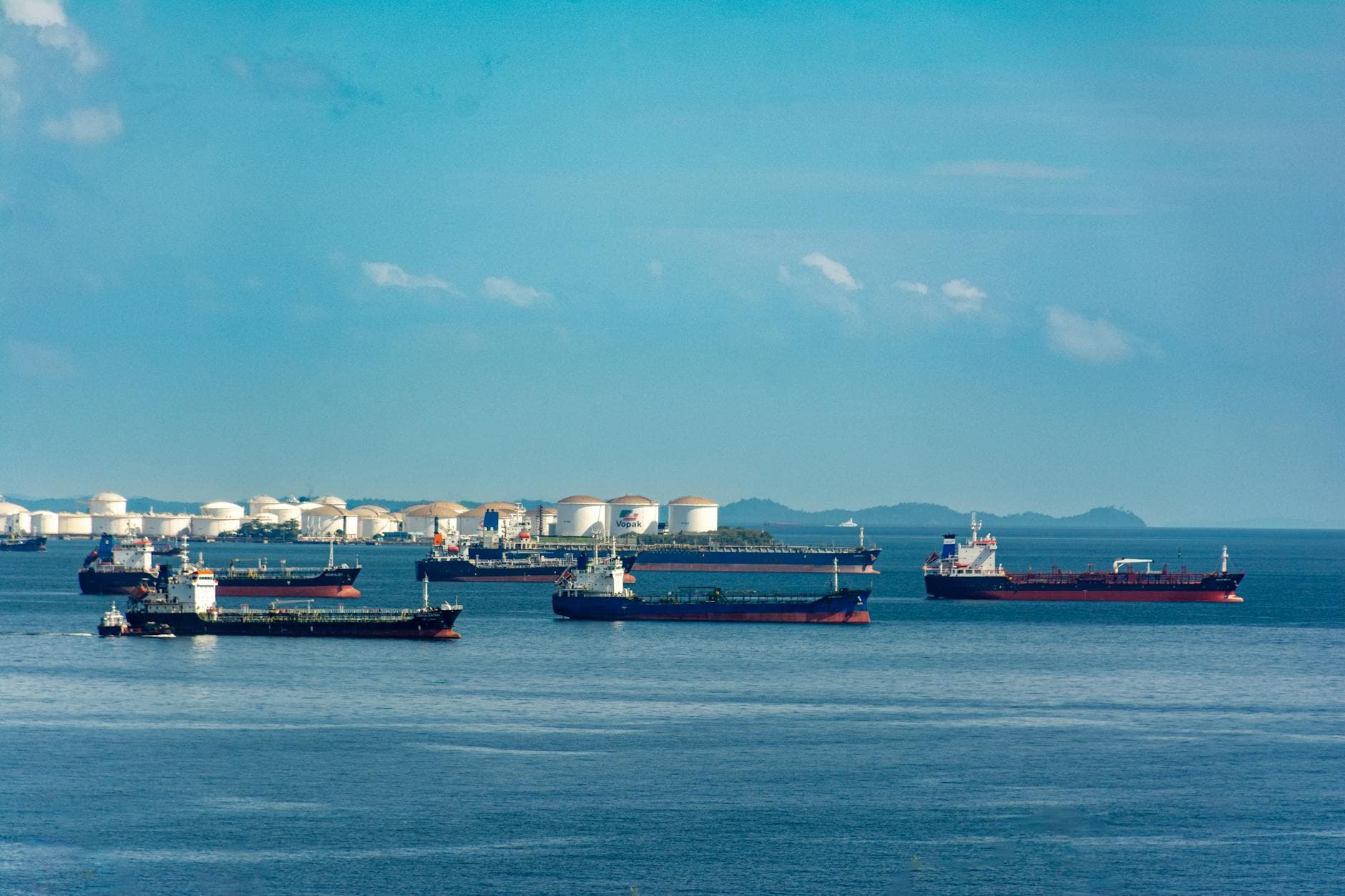
The International Energy Agency said the conflict had already slashed global oil supply by 10.1 million barrels a day in March, with continued attacks on energy infrastructure in the Middle East and restrictions on tanker traffic through the Strait of Hormuz driving the disruption. It called the resulting restrictions on tanker movements the largest in history and cut its 2026 oil-demand forecast to a contraction of 80,000 barrels a day. The agency also said the 1.5 million barrel-a-day decline it expects in the second quarter would be the sharpest since Covid-19.
Even as crude whipsawed, Wall Street was not moving in lockstep with the oil market. CNBC reported that the S&P 500 closed at record highs on April 16 and 17, reflecting bets that the conflict might ease relatively quickly and that stocks were still being priced six to 12 months ahead. By April 19, however, the rebound in crude and the wobble in equities underscored how fragile that assumption remained.
The consumer hit is already visible. The IEA said U.S. gasoline and diesel retail prices had climbed to their highest seasonal levels on record, while jet fuel and diesel prices in Europe reached all-time or near-record highs above $200 a barrel. Robert Pavlik, senior portfolio manager at Dakota Wealth, said investors were hesitant to sell because the previous week showed the importance of staying invested. Rebecca Babin, senior energy trader at CIBC Private Wealth Group, said the market feared the next headline.
This article was produced by Prism’s automated news system from verified source data, official records, and press releases, then run through automated quality and moderation checks before publishing. The system is built and supervised by the people who set the standards it runs under. Read our full AI policy.
Did this article answer your question?
%3Amax_bytes(150000)%3Astrip_icc()%2FCertificate-of-deposit-2301f2164ceb4e91b100cb92aa6f868a.jpg&w=1920&q=75)