G7 ministers confront bond volatility and rising debt worries in Paris
Bond losses from Tokyo to New York pushed G7 ministers to Paris as officials tried to calm markets facing higher borrowing costs and debt strains.
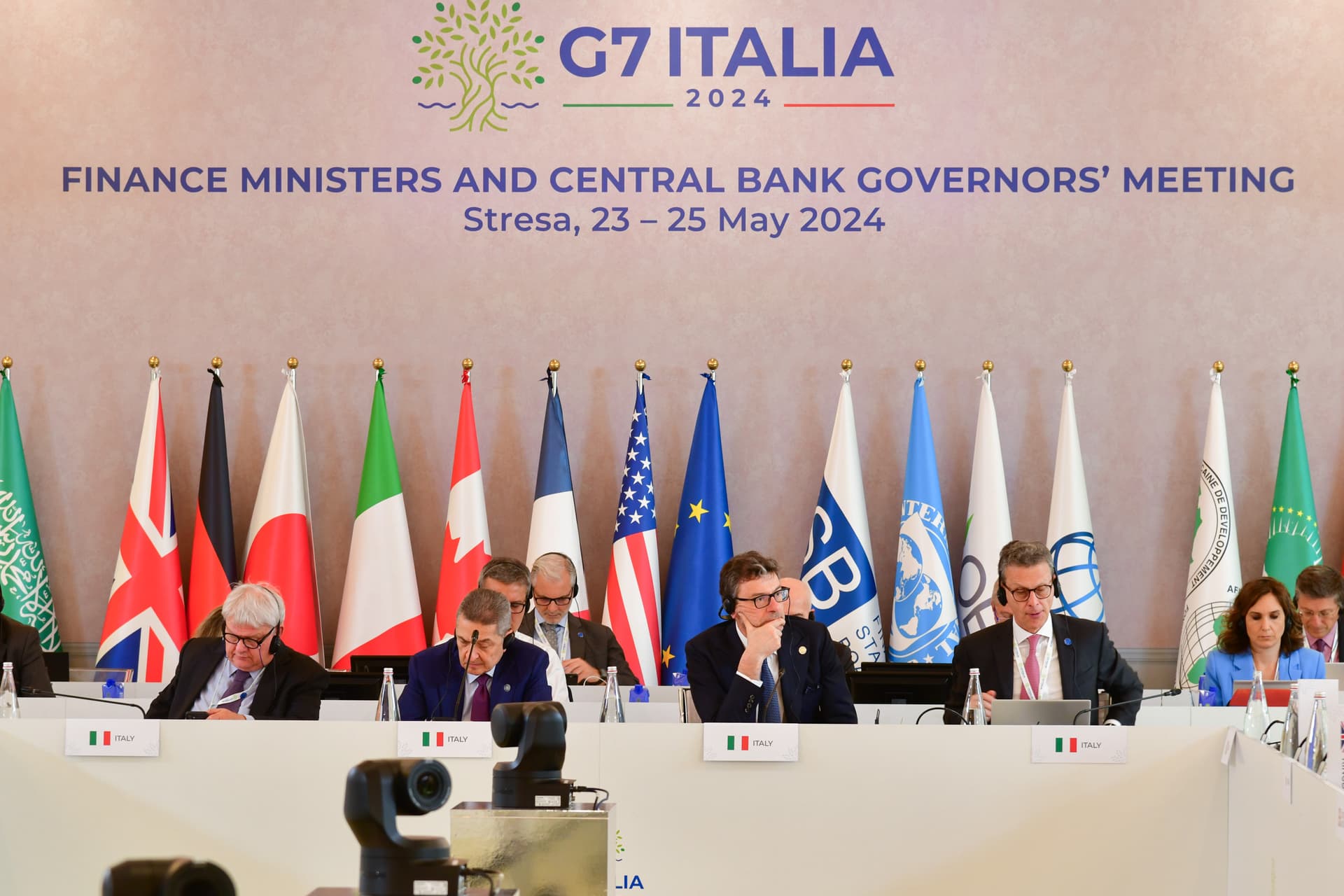
Bond traders did not wait for the Paris handshakes. Yields climbed first, and that is what gave the G7 finance ministers and central bank governors their urgency as they gathered on May 18 and 19 to confront volatility that can spill into mortgages, car loans and the cost of government borrowing.
U.S. 30-year Treasury yields were above 5%, while Japan’s 30-year government bond yield rose to 4.11% on May 18 and Japan’s 10-year yield reached 2.75%. Those moves matter far beyond trading desks: when long-term government borrowing costs rise, banks and lenders often pass that pressure through to households and companies, and finance ministries eventually feel it in the form of tighter budgets and more expensive refinancing.
France framed the meeting as a key step toward decisions for the G7 leaders’ summit in June in Evian. The French finance ministry said the two-day session was part of its G7 presidency work and had been preceded by multiple ministerial and technical meetings. Its three finance-track priorities were reducing global imbalances, building partnerships with developing countries and securing resilient critical mineral supply chains. The agenda also covered Ukraine, the Middle East and cybersecurity.
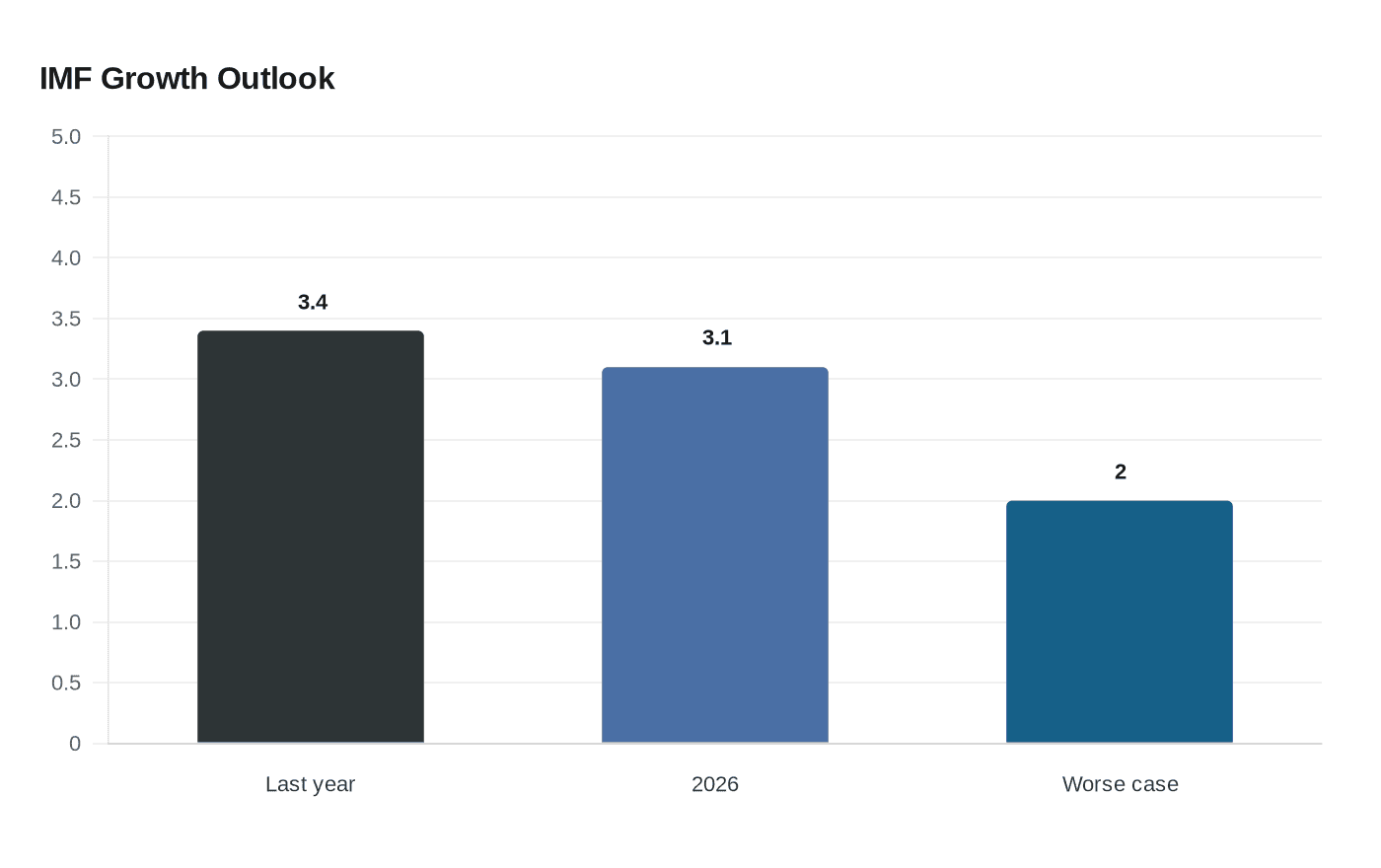
The market backdrop was defined by war risk and inflation fears. Higher energy prices tied to the Iran war have reinforced bets that central banks may have to keep rates elevated for longer, which keeps pressure on bond prices and stokes concern about debt sustainability. Kristalina Georgieva, the IMF managing director, said in April that the Middle East conflict was already having a large global impact, pushing growth down to 3.1% in 2026 from 3.4% last year, with the risk of slowing to 2% in a worse case. She also warned that public debt was constraining fiscal space and told governments to “look before you leap” on short-term responses.
Inside the Paris talks, officials were trying to find common ground on debt, trade tensions, critical raw materials and persistent global imbalances. France has pointed to an unsustainable pattern in which China consumes too little, the United States consumes too much and Europe invests too little. Japan’s Satsuki Katayama said countries would need to manage volatility on their own, while Roland Lescure cast the latest bond selloff as a correction rather than a collapse.
The invite list underscored how broad the debate has become. Brazil, India, Kenya and South Korea were brought into parts of the discussions for the first time, alongside institutions including the IMF, World Bank, OECD, Financial Stability Board and International Energy Agency. The task in Paris was not just to acknowledge the strain in debt markets, but to convince investors that officials still have a plan before higher yields turn market nerves into a wider economic squeeze.
Know something we missed? Have a correction or additional information?
Submit a Tip%3Amax_bytes(150000)%3Astrip_icc()%3Afocal(749x0%3A751x2)%2Fshein-everlane-051826-dfc17cbb4b14448e93f8ac602a0db711.jpg&w=1920&q=75)