Shein reportedly buys Everlane in $100 million deal
Shein’s reported $100 million move for Everlane is as much about buying a clean ethical image as a retailer. It would also give Shein a sharper path to U.S. legitimacy.
%3Amax_bytes(150000)%3Astrip_icc()%3Afocal(749x0%3A751x2)%2Fshein-everlane-051826-dfc17cbb4b14448e93f8ac602a0db711.jpg&w=1920&q=75)
Shein is moving to buy Everlane in a deal valuing the San Francisco apparel retailer at about $100 million, a price that looks less like a growth premium than a distressed-brand rescue. For Shein, the appeal is not only Everlane’s business but its identity: a label built around radical transparency, ethical factories and sustainability, now poised to be folded into a portfolio best known for ultra-low prices and rapid turnover.
The reported transaction would give Shein a more credible front door to U.S. shoppers who know Everlane as a minimalist, premium-leaning brand rather than a disposable fashion app. That matters at a moment when Shein and Temu are under pressure from tariffs and the end of the de minimis exemption for low-value Chinese imports, forces that have hit demand and trimmed U.S. advertising. Buying Everlane would let Shein broaden its brand ecosystem instead of relying only on price and volume.

Everlane was founded in 2011 by Michael Preysman and Jesse Farmer and built its reputation on a direct-to-consumer promise that included showing customers the true cost of each product. L Catterton, which backed the company and led an $85 million Series F in 2020, once valued Everlane at roughly $250 million, making the reported $100 million sale a sharp reset in price and status. The gap reflects the strain on consumer brands that do not have Shein’s scale, digital reach or sourcing leverage.
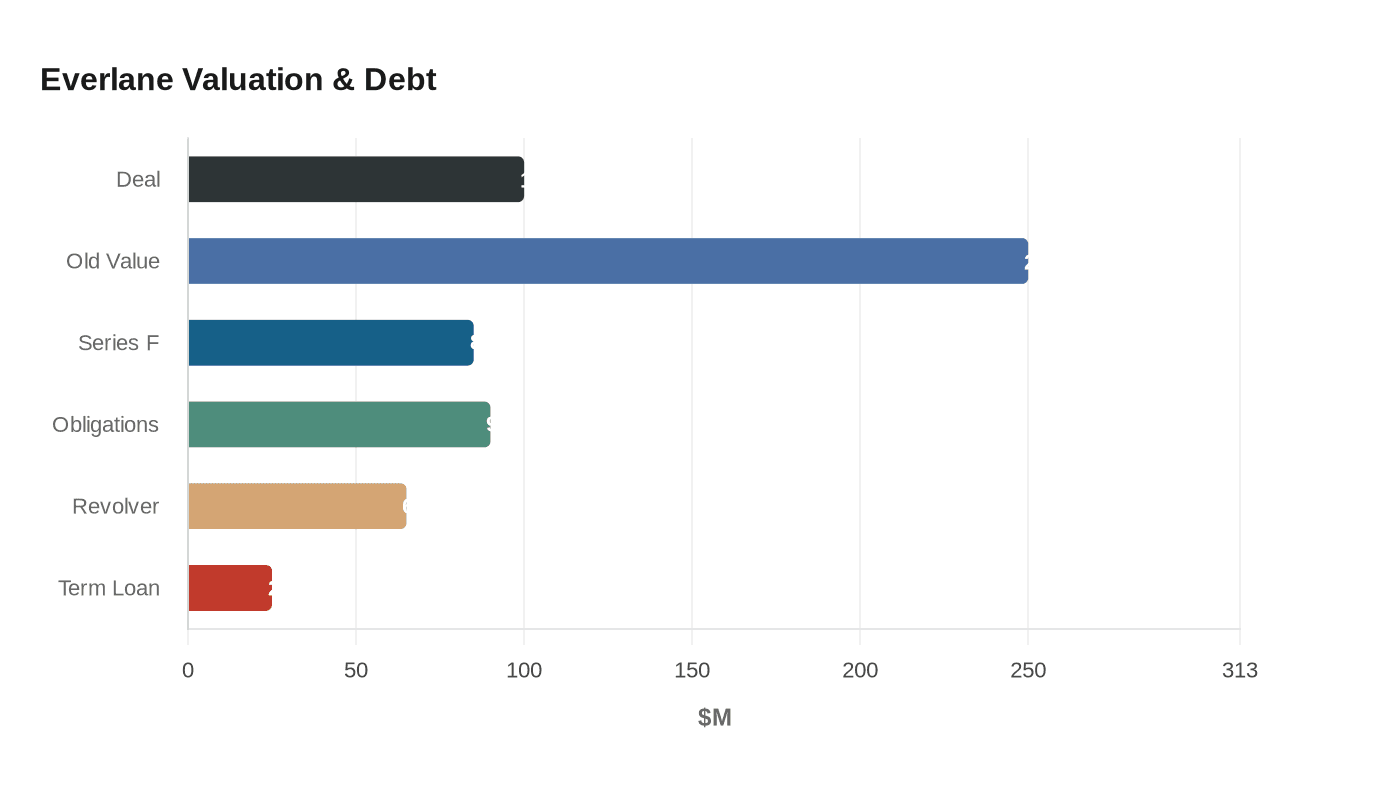
Debt helped push the company toward a sale. Everlane had been seeking new capital to handle about $90 million in obligations, including a $65 million asset-based revolving credit facility and a $25 million first-in, last-out term loan. A sale would relieve that pressure, but it would likely come at a steep cost to existing owners. Common shareholders would receive nothing under the reported terms, while it remained unclear whether preferred shareholders would be paid in cash or in Shein stock.
The bigger story is strategic. If the deal closes, Shein would not just be buying inventory and distribution. It would be buying legitimacy, or at least the appearance of it, by attaching itself to a brand consumers associated with ethics and restraint rather than flash discounting. That is a meaningful shift in U.S. retail, where the battle is no longer only about who can sell the cheapest shirt fastest, but who can control the brand story around it.
Know something we missed? Have a correction or additional information?
Submit a Tip