Robots could bring clothing manufacturing back to the West
Robots may revive some garment making in the West, but the bigger shift is fewer sewing jobs and more technical roles. The economics hinge on speed, quality and capital costs.
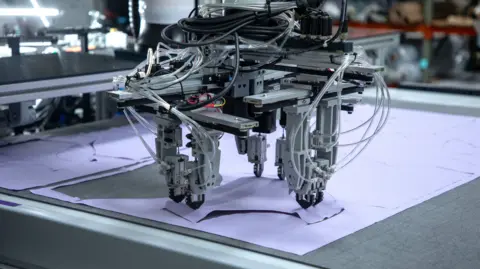
Most clothes still roll off assembly lines in Asia, but robots are making a limited Western comeback possible. China remained the world’s largest clothing exporter in 2023, and Bloomberg reported that about one-third of all garments globally come from Chinese factories, a sign of how concentrated apparel production still is.
Why apparel has stayed offshore
The apparel trade has been built around labor-intensive cut-and-sew work, dense supplier networks and low-cost labor, especially in Asia. Even after years of diversification away from China, brands still run into cost, skill and infrastructure barriers that make full relocation difficult. That is why clothing remains one of the clearest examples of how global manufacturing can resist reshoring even when companies want shorter, safer and more resilient supply chains.
The International Labour Organization says textiles, clothing, leather and footwear provide employment opportunities for millions of workers worldwide, especially young women. The sector’s labor model has long depended on abundant manual work, which also means it has carried serious safety and working-condition risks. The Rana Plaza collapse remains the defining warning for the industry: low prices can come at a high human cost.
Why robots are different this time
Automation has changed many factories, but clothing has been harder to automate than electronics or automotive parts because fabric behaves badly in machines. Cloth bends, stretches and folds, which makes it far more difficult for robots to grip, align and sew reliably. That is why sewing automation has advanced more slowly than automation in other industries, and why companies have focused on narrow product categories first.
Two names stand out in that effort. Sewbo pursued a fabric-stiffening method designed to make material easier for machines to handle. SoftWear Automation, the Atlanta-area startup founded in 2012, says it is building machine-vision and advanced robotics systems for on-demand T-shirt manufacturing near consumers. The appeal is straightforward: standardized garments such as T-shirts are easier to automate than fashion items with many sizes, seams and variations.
CreateMe is pushing in the same direction. Based in Newark, California, the company said in 2025 that it was expanding its robotic apparel manufacturing platform into commercial-grade everyday apparel, starting with T-shirts. That matters because basics are the best proving ground for automated production: demand is high, specifications are repetitive and quality control is easier to standardize than in fast-changing fashion lines.
The economics behind reshoring
The case for bringing clothing production closer to Western markets is not simply patriotic rhetoric. It is an operating-model question. Automation can lower direct labor needs, reduce scrap, improve consistency and shorten lead times, all of which matter when brands want faster speed-to-market and tighter inventory control. For basic garments, being able to produce closer to the customer can also cut the time and risk tied up in long ocean shipments.
Quality control is another major gain. Robots do not tire, and machine-vision systems can catch defects more consistently than a line built entirely around human speed. That can be especially valuable in high-volume products where even small error rates create costly rework, returns or brand damage.
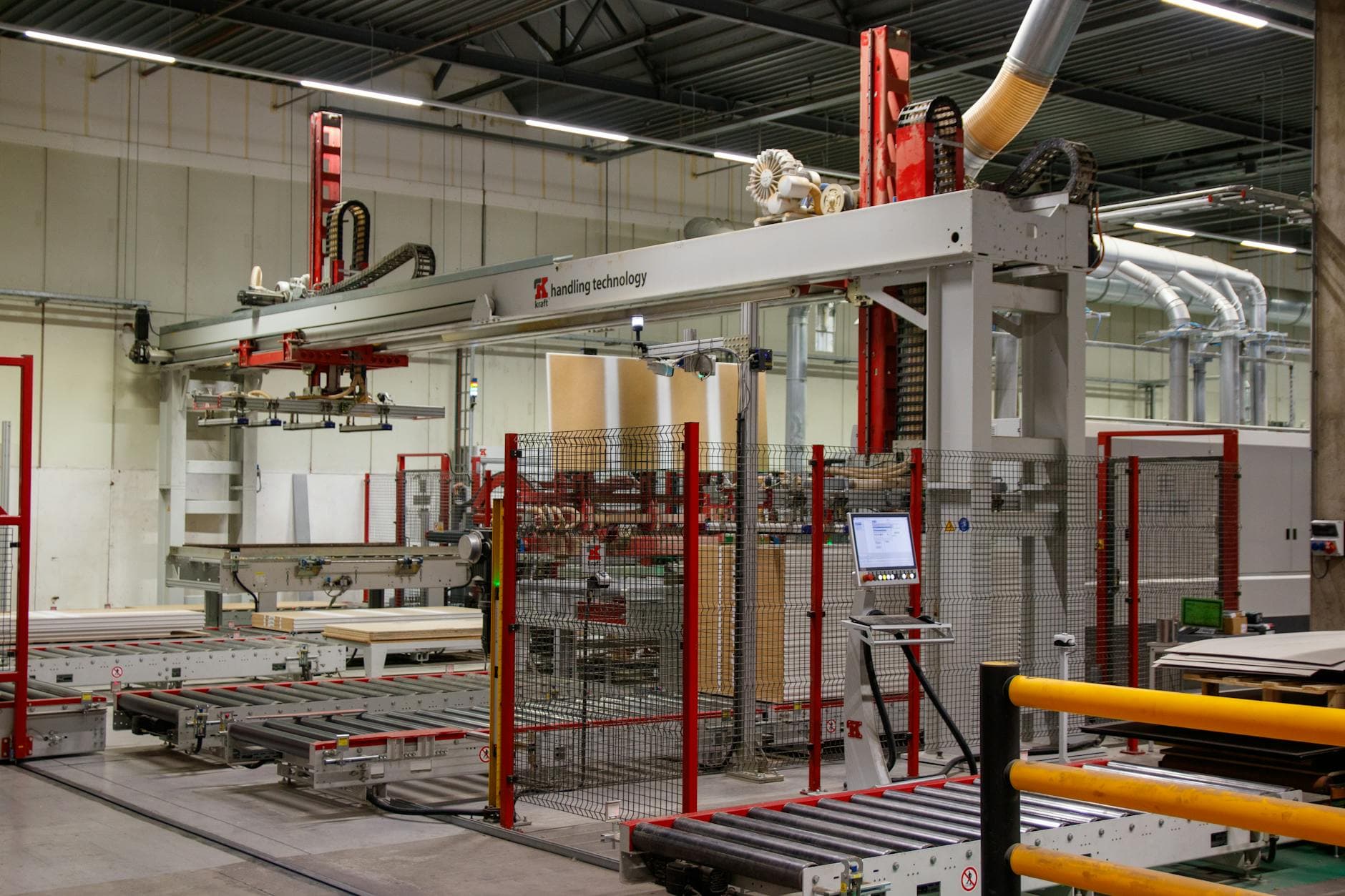
There is also a national-security argument in the United States. Reshoring advocates say automated apparel production could matter for military uniforms, tents and other critical goods that should not depend entirely on fragile offshore supply chains. In that sense, automation is not only about bringing jobs back, but about ensuring that essential items can be made quickly and predictably inside the country.
The capital-cost reality
The hurdle is that robots do not come cheap. A modern automated garment factory requires expensive equipment, integration, maintenance and specialized staff, so the business only works when utilization is high and product demand is steady enough to justify the investment. Labor savings matter, but they have to outweigh the upfront capital bill, the software complexity and the cost of keeping the line running.
That is why automation is most plausible for basics, repeat orders and high-urgency products, not for every type of apparel. A system optimized for T-shirts may work well on one product family and poorly on another. The result is likely to be selective reshoring, not a wholesale return of the old garment industry.
What happens to workers
The clearest effect is displacement. Fewer sewing-floor jobs would be needed if robots take over more of the repetitive handling and stitching work. At the same time, new roles would open in robotics maintenance, machine-vision monitoring, process engineering, quality assurance and local fulfillment.
Those jobs are real, but they are not the same jobs. They require more technical skill and are likely to be fewer in number than the low-wage positions automation replaces. So the labor story is not a simple win for workers. It is a shift from manual garment assembly toward a smaller, more specialized industrial workforce.
The broader reshoring wave
Apparel is part of a bigger manufacturing rethink. The Reshoring Initiative said 244,000 U.S. manufacturing jobs were announced in 2024 through reshoring and foreign direct investment, and more than 2 million jobs have been announced since 2010. That shows the momentum behind supply-chain rebalancing, especially after years of disruption and rising geopolitical caution.
Even so, clothing is a tougher test than many other industries. The sector still depends on overcoming fabric-handling problems, managing high capital costs and proving that automated local production can beat the combined advantage of overseas labor, scale and infrastructure. For now, the likeliest outcome is not a full factory revival, but a narrower one: fewer sewing jobs, more machine-centered work, and a manufacturing map that moves some production back West while leaving much of the world’s apparel system anchored in Asia.
Know something we missed? Have a correction or additional information?
Submit a Tip%3Amax_bytes(150000)%3Astrip_icc()%3Afocal(749x0%3A751x2)%2Fshein-everlane-051826-dfc17cbb4b14448e93f8ac602a0db711.jpg&w=1920&q=75)