G7 weighs trusted access to advanced AI models for allies
G7 leaders debated a trusted-partner path to advanced U.S. AI models, a move that could redraw who gets inside the global frontier-compute circle.
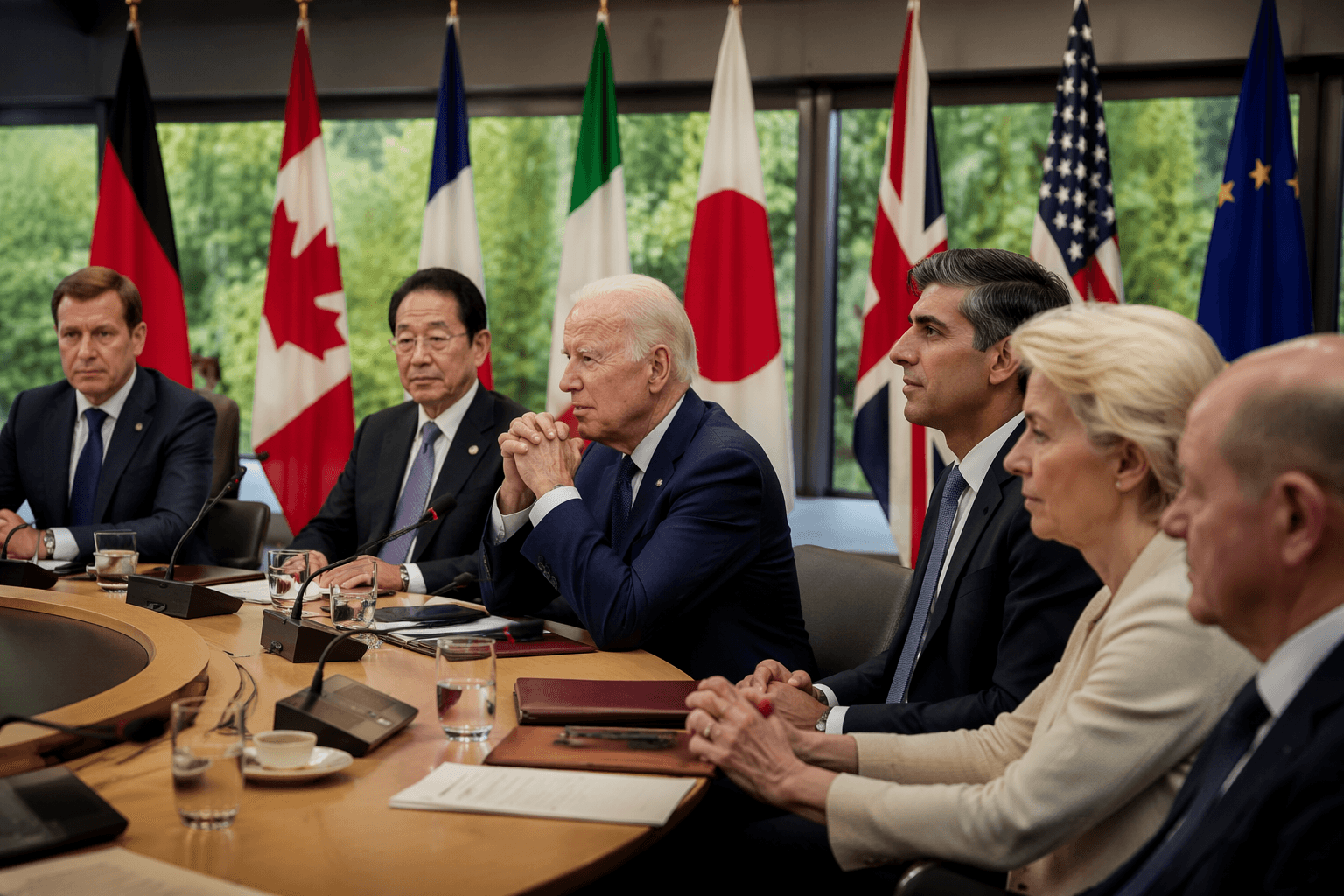
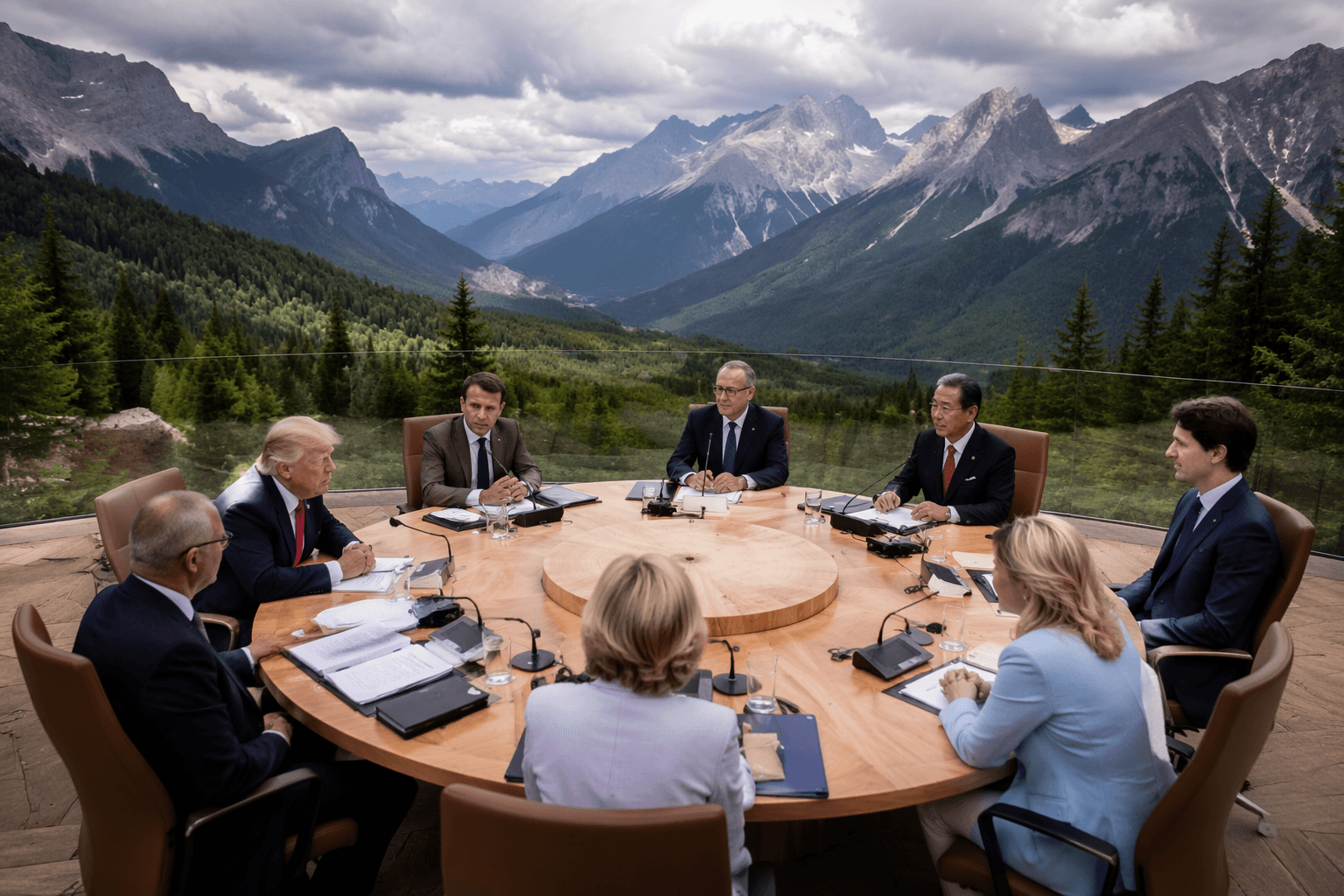
G7 leaders in Évian-les-Bains opened the door to a new kind of AI gatekeeping, weighing whether a limited circle of trusted allies should be allowed to use advanced models from major U.S. companies. The idea would give selected countries and companies access to frontier systems while keeping them behind a security wall shaped by Washington’s national-security rules.
The summit, held June 15 to 17 in France, brought together Canada, France, Germany, Italy, Japan, the United Kingdom and the United States, with the European Union represented by European Council President António Costa and European Commission President Ursula von der Leyen. Official summit materials said emerging technologies sat alongside international peace and security, global economic stability and growth on the agenda, underscoring how central AI had become to the G7’s broader strategic discussions. French government material described the meeting as taking place in a particularly volatile and uncertain international context marked by conflict, deepening economic imbalances, weakened global governance and reduced financing for official development assistance.
The AI discussion gained urgency after Anthropic said on June 12 that the U.S. government had issued an export-control directive requiring suspension of access to its most advanced models for any foreign national, whether inside or outside the United States. Anthropic said on June 13 that it disabled access to those models globally while disputing the scope of the directive. That crackdown pushed G7 leaders toward a possible compromise: a trusted-partner scheme that could let allied governments or firms use frontier models without opening them broadly to non-Americans.
The talks also brought U.S. Commerce Secretary Howard Lutnick into the mix, as delegates considered whether access rules should be enforced through governments, companies or both. The proposal would not only affect which allies get the tools, but also how power is allocated in the next phase of AI competition. If trusted partners can tap frontier models, they could strengthen cyber defenses, improve high-end government and industrial applications and reduce dependence on rivals such as China. If they cannot, the U.S. and its closest allies may deepen a divide in which access to advanced compute becomes a strategic privilege rather than a commercial product.
That is what makes the discussion larger than one company or one summit. The G7 was already grappling with trade tensions and wars in Ukraine and the Middle East, and the AI debate showed that the world’s richest democracies are beginning to treat advanced models the way they already treat chips, energy and military technology: as assets that can be shared, restricted and used to define the next global order.
This article was produced by Prism’s automated news system from verified source data, official records, and press releases, then run through automated quality and moderation checks before publishing. The system is built and supervised by the people who set the standards it runs under. Read our full AI policy.
Did this article answer your question?