Genetic study reveals gradual mixing after Rome's collapse
DNA from 258 graves in southern Germany showed Rome’s collapse did not bring a sudden break. Populations mixed slowly over generations, reshaping identity after empire.
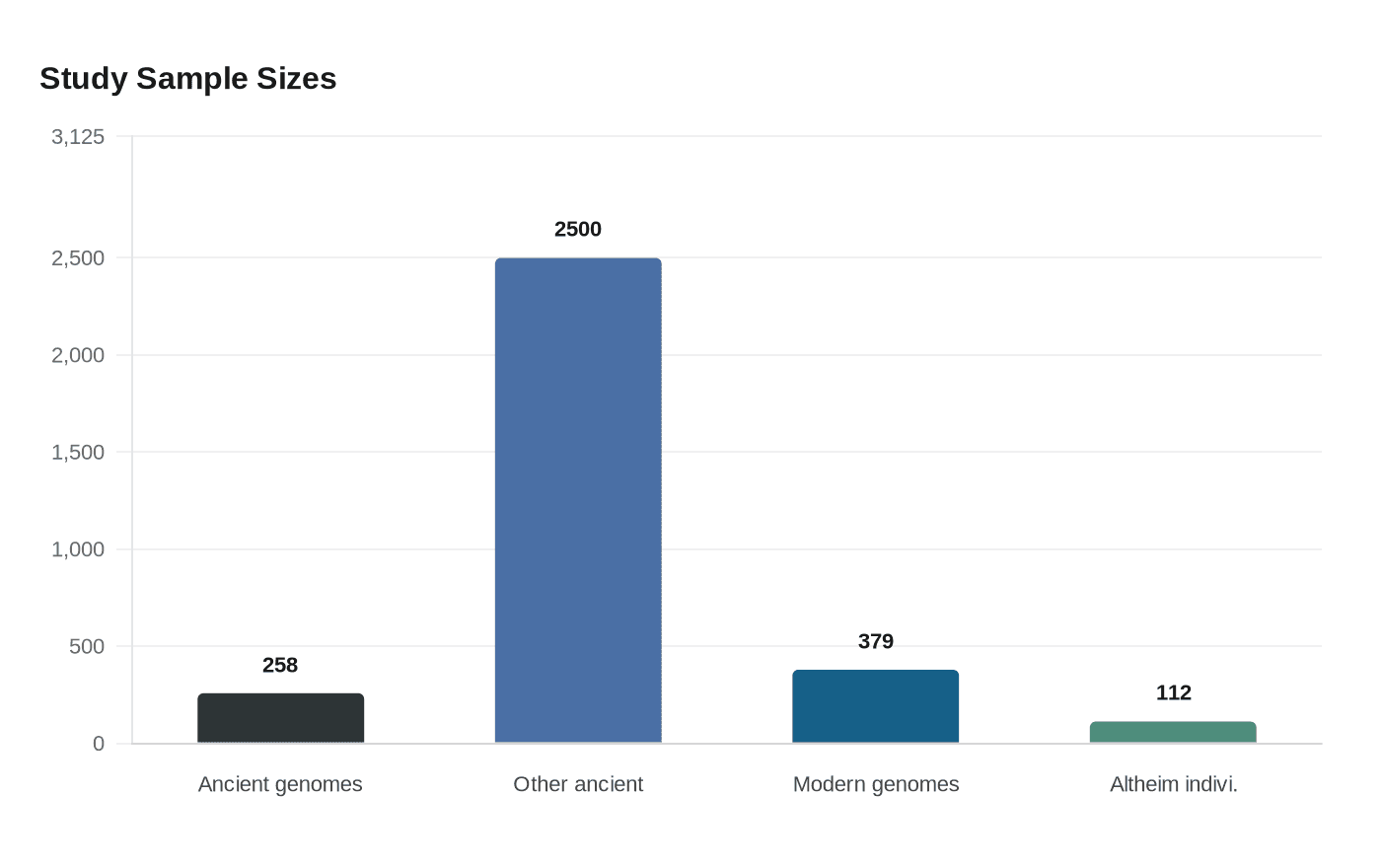
A genetic study of graves along the Roman frontier in southern Germany is upending the idea that the Western Roman Empire simply gave way to a sudden wave of outside invaders. By tracing 258 ancient genomes from Bavaria and Hesse and comparing them with about 2,500 other ancient genomes and 379 modern ones, researchers found a slower process of mixing that unfolded after imperial rule fractured in the late fifth century.
The study, published in Nature, focused on row-grave cemeteries, a burial practice that spread from the mid-fifth century across former Roman frontier regions from northern France and the Netherlands to northern Italy and western Hungary. One of the largest sets came from Altheim in Bavaria, where 112 individuals were analyzed. The evidence showed two genetically distinct groups in the late Roman period, then a founding population of northern European ancestry merging with genetically diverse Roman provincial communities as state power unraveled.
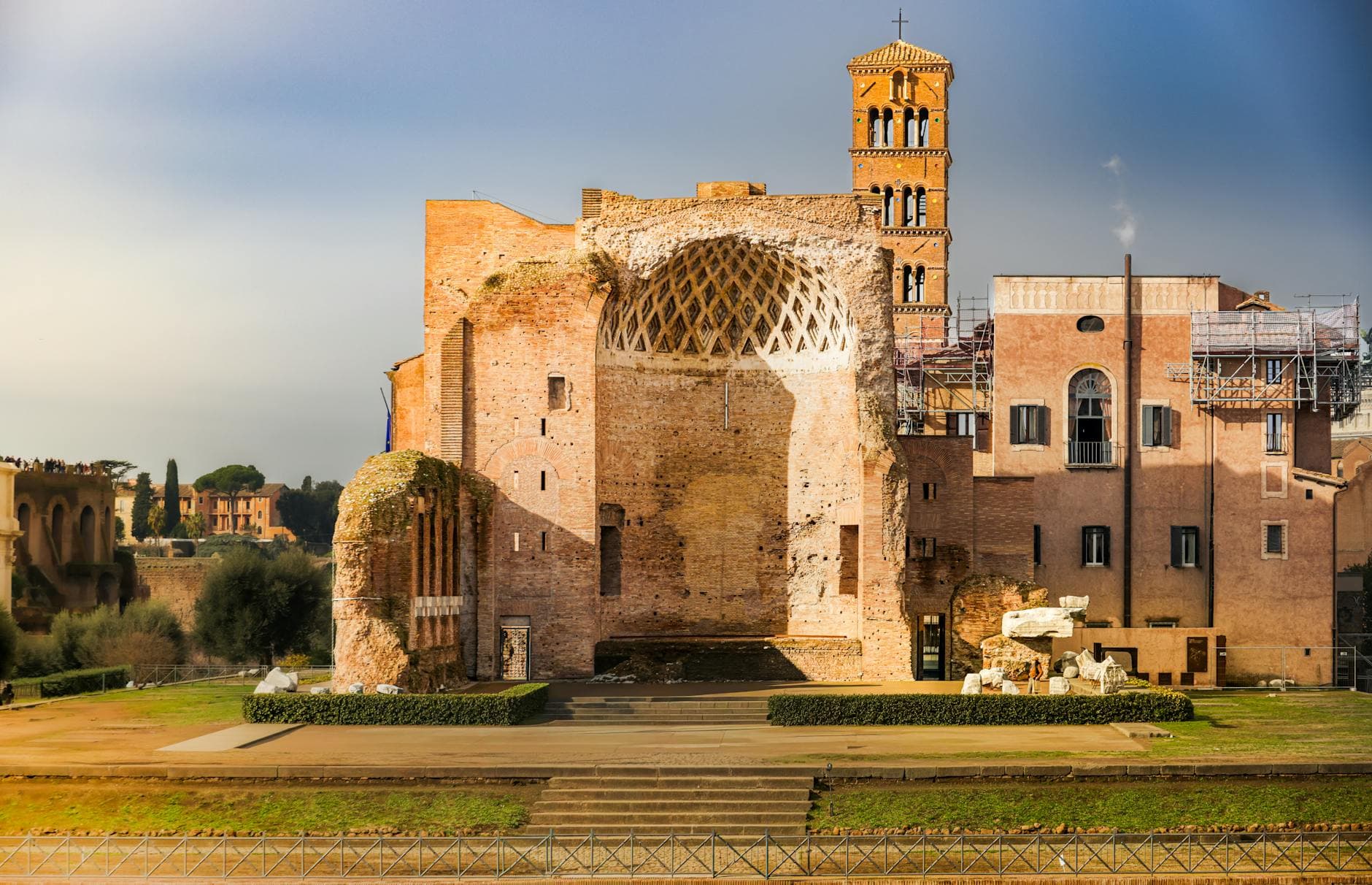
That pattern matters because it challenges the older image of a unified “Germanic” people crashing into Rome. Historical scholarship has already moved away from that simple story, and the DNA now reinforces a more complicated account: smaller family and kinship groups moved, intermarried and settled into existing communities as Roman authority faded. The result was not instant replacement but a long demographic transition. Genetic structure persisted through the sixth century, and by the early seventh century the population in the region looked closer to modern Central Europeans.

The study also gives a rare window into everyday life after empire. Researchers estimated a generation time of 28 years, life expectancy of 43.3 years for men and 39.8 years for women, and found that nearly one quarter of children lost at least one parent by age 10. At the same time, 81.8% of children in the area grew up with at least one grandparent, suggesting extended family ties remained central even in an era of instability. The team also found lifelong monogamy, strict incest avoidance, flexible lineage continuation and no levirate unions, patterns that point to continuity in household structure rather than wholesale social rupture.
Around sixty researchers from institutions including Johannes Gutenberg University Mainz, the University of Tübingen, the University of Fribourg, the University of Freiburg, the Bavarian State Collections of Natural History and the State Collection for Anthropology Munich contributed to the work. Their findings suggest that the fall of Roman rule in 476 AD was a political break, but for ordinary people in southern Germany, identity, kinship and settlement changed more gradually, through mobility, intermarriage and survival in communities that were already blending long before the empire fully disappeared.
This article was produced by Prism’s automated news system from verified source data, official records, and press releases, then run through automated quality and moderation checks before publishing. The system is built and supervised by the people who set the standards it runs under. Read our full AI policy.
Did this article answer your question?