Geneva protest turns violent as anti-G7 march erupts near summit
A Tesla burned and a UN building was hit as Geneva’s anti-G7 march turned violent, exposing a fractured protest movement and the summit’s symbolic targets.
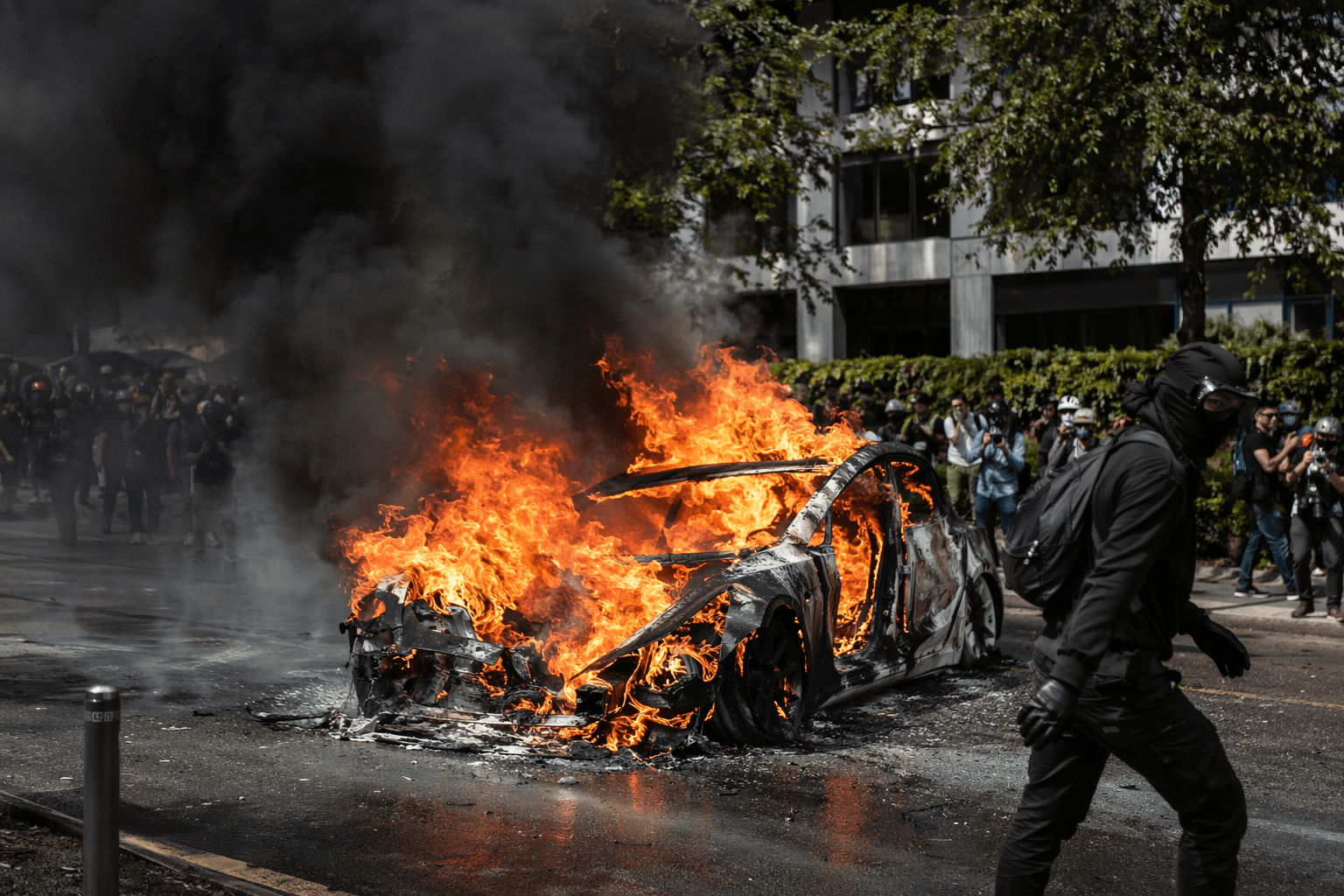
Police in Geneva fired tear gas and moved water cannons into the streets on Sunday after an anti-G7 march turned violent just across the border from the summit venue in France. What began as a large demonstration of about 20,000 people quickly became a showcase of anger aimed at the institutions and symbols protesters said stood behind the summit, from a Tesla parked in the city to a United Nations telecommunication building.
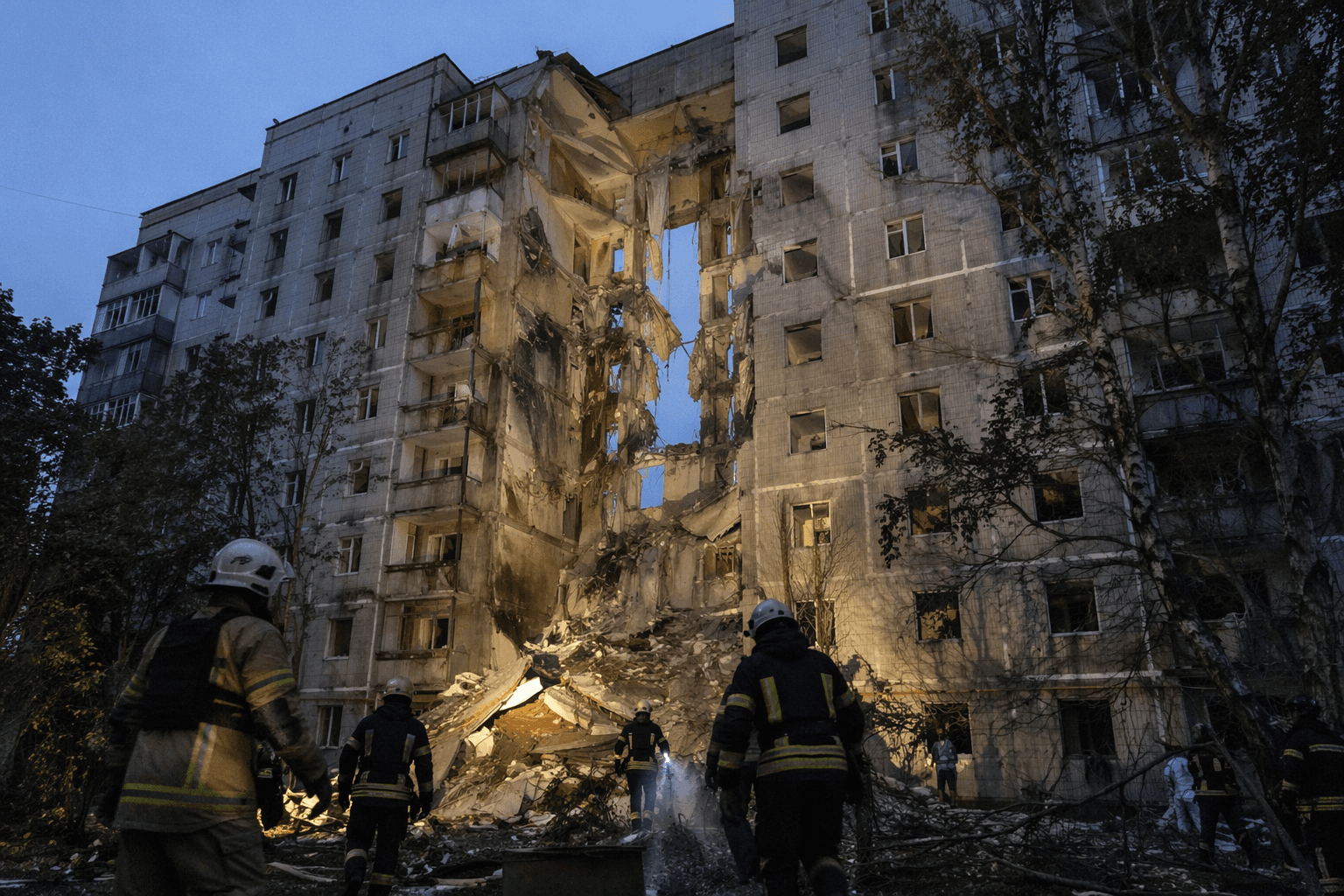
Geneva police said about 600 demonstrators were linked to the Black Bloc, and stones, flares and debris were thrown as officers pushed the crowd back. Firefighters extinguished the Tesla after it was set ablaze near a central bus stop, while protesters smashed windows at the UN site in Geneva. Children cried as tear gas drifted through streets that had already been sealed off with barricades, helicopters overhead and riot police in position long before the violence broke out.
The march was organized in part by the No-G7 coalition, a network of more than 60 associations, unions and left-wing groups. AFP-based reporting said the crowd also included environmentalists, women’s rights advocates, supporters of Palestinians and activists opposed to imperialism, fascism and capitalism. That mix underlined how the protest movement around summit politics has become less unified, pulling together climate anger, anti-war politics and broader opposition to global elites without a single message.
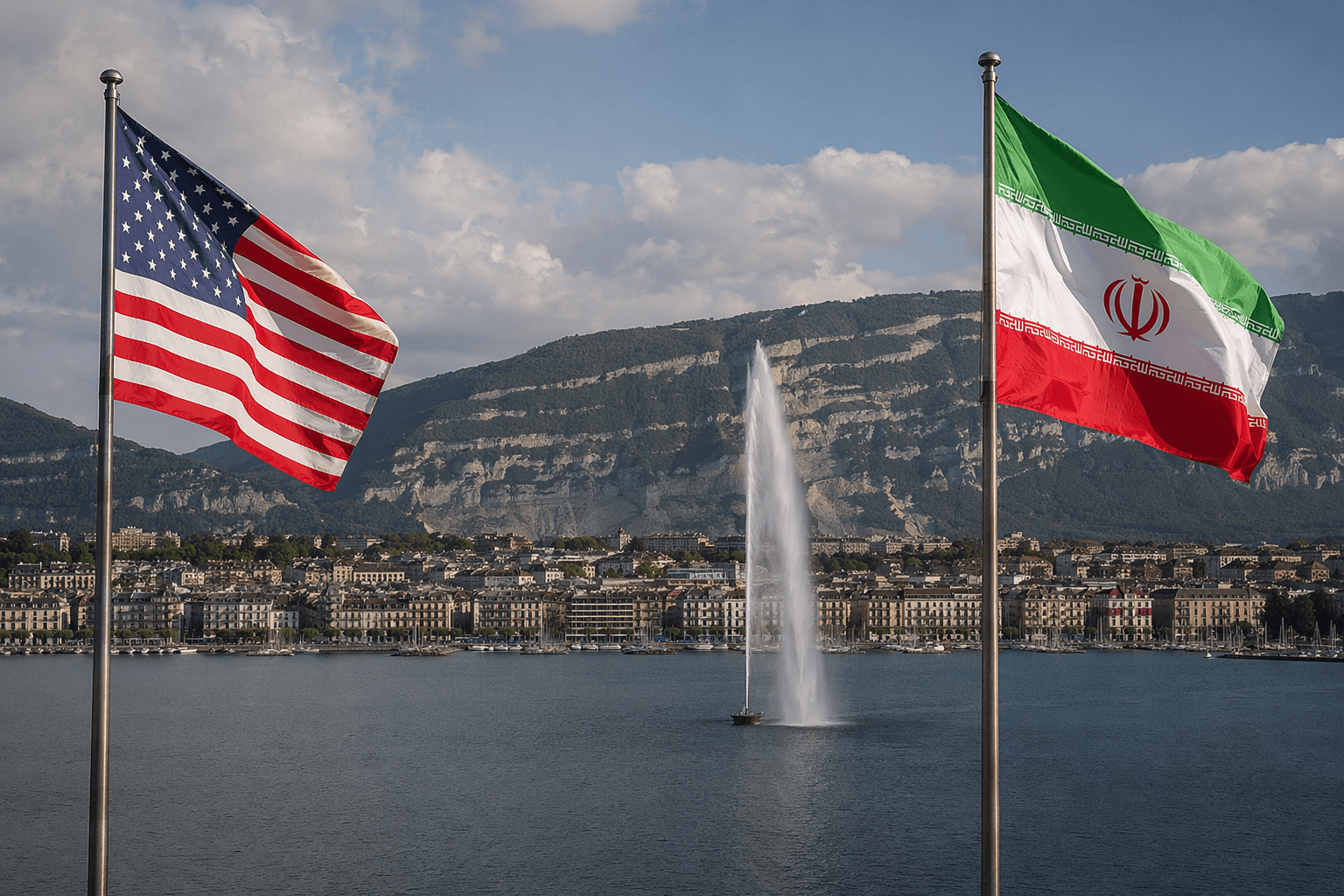
The symbolism of the targets was hard to miss. The Tesla fire pointed directly at Elon Musk’s electric-car brand, while the attack on the UN building linked the protest to grievances about international power, capitalism and inequality. Other protesters focused on the G7 itself, due to meet in Evian-les-Bains from June 15 to 17, with Swiss authorities treating the gathering as a cross-border security challenge because the French resort sits near Geneva and the France-Switzerland border.
The unrest also revived memories of the violence around the 2003 G8 summit in the Geneva area, a comparison that has sharpened security planning on both sides of Lake Geneva. With Swiss and French officials already warning of a major operation, the violence in Geneva showed how quickly summit-era protest can shift from a march into a test of state control, and how the old language of anti-globalization now overlaps with newer climate and anti-power campaigns.
This article was produced by Prism’s automated news system from verified source data, official records, and press releases, then run through automated quality and moderation checks before publishing. The system is built and supervised by the people who set the standards it runs under. Read our full AI policy.
Know something we missed? Have a correction or additional information?
Submit a Tip