U.S. and Iran reach interim peace deal, signing set in Switzerland
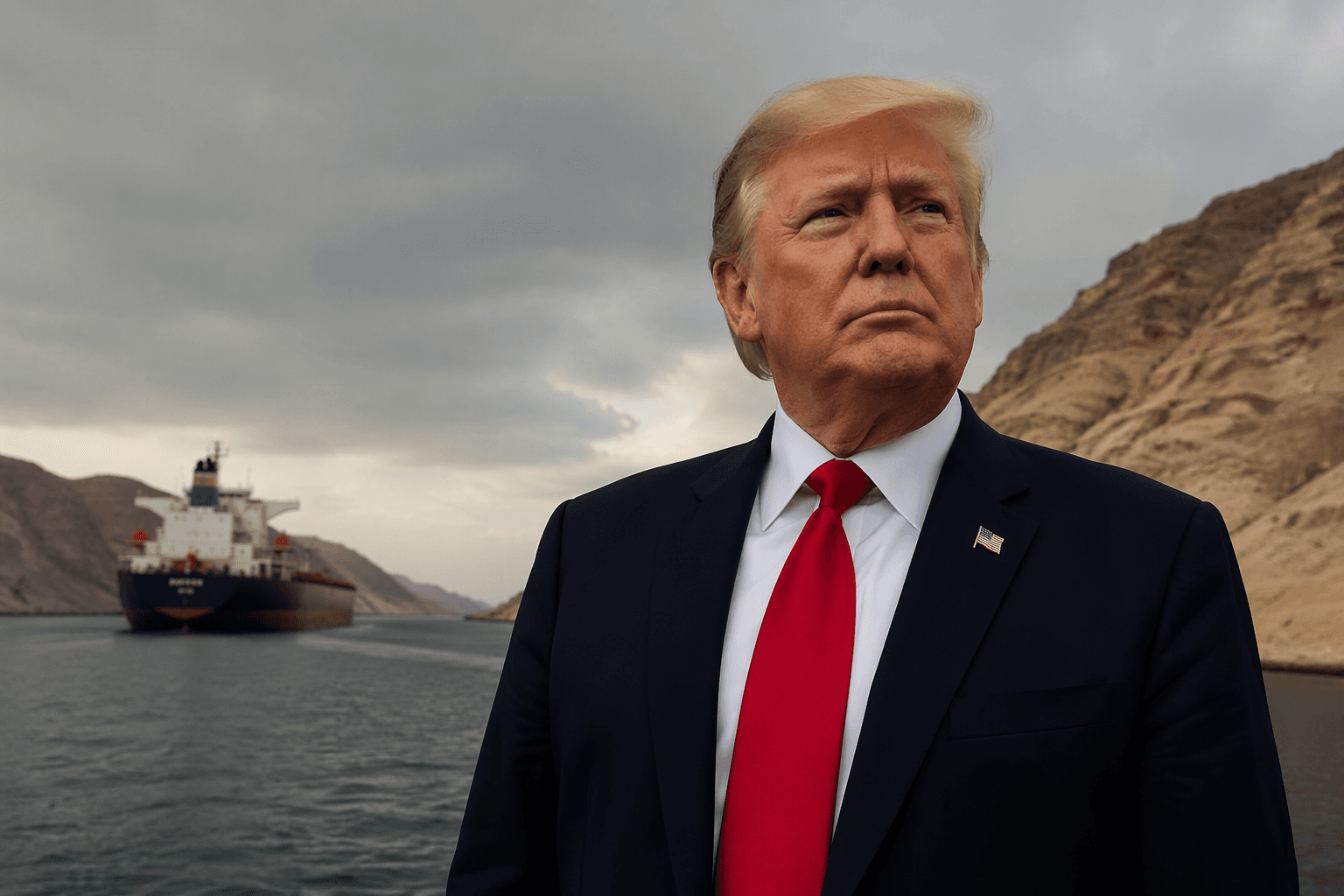
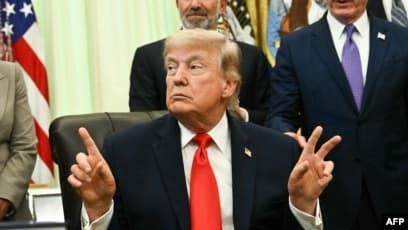
Trump said the Iran deal is “now complete,” but the pact still hinges on a Friday signing in Switzerland and 60 days of follow-on talks on nuclear terms.
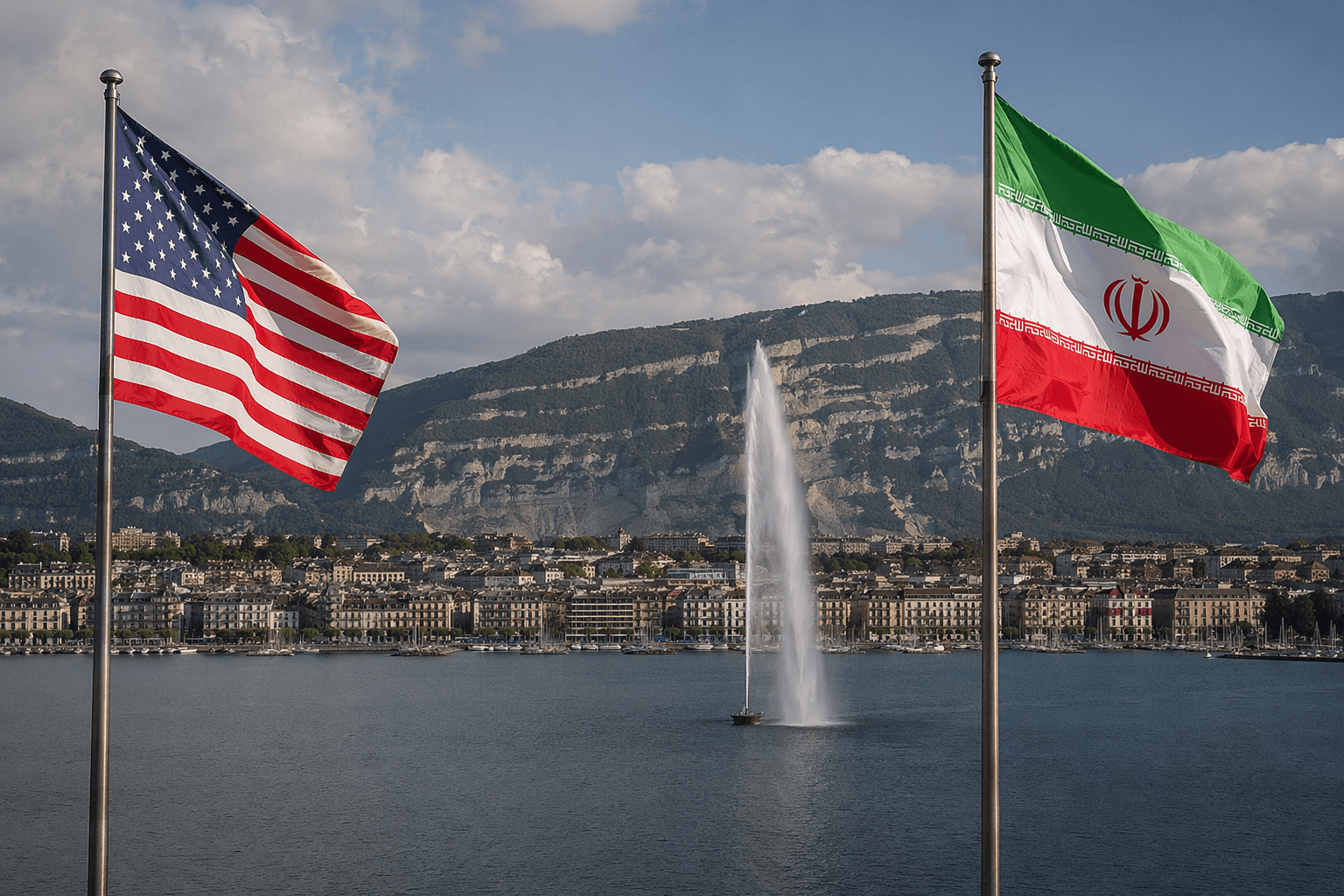
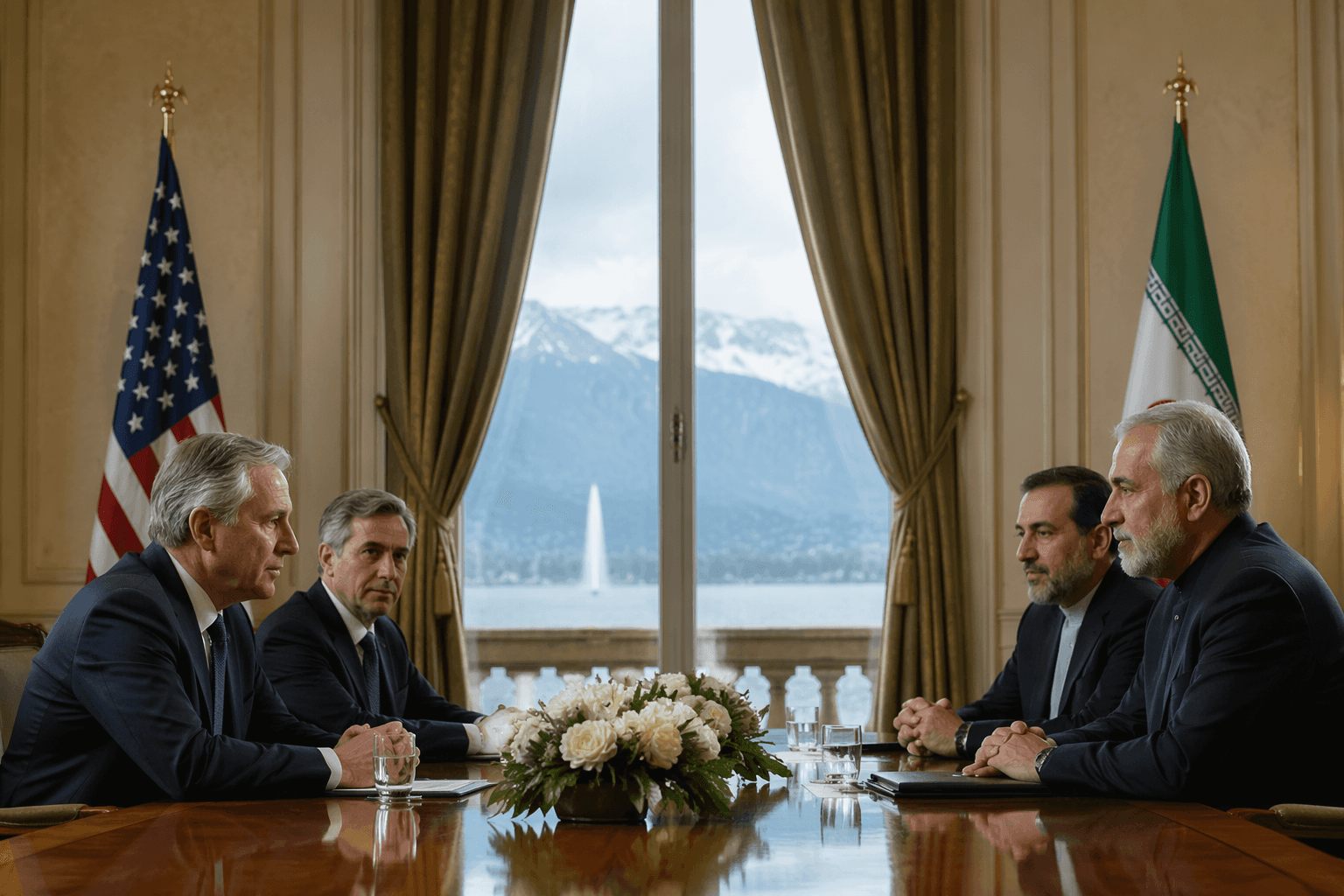
The strongest claim around the U.S.-Iran accord is also the one that needs the most scrutiny: Donald Trump says the deal is “now complete,” yet the agreement being described publicly is an interim framework, not a final peace treaty. Pakistani Prime Minister Shehbaz Sharif said the United States and Iran will hold an official signing ceremony on Friday, June 19, in Switzerland, while key terms, including nuclear limits and sanctions relief, are still set for further negotiation.
The immediate stakes are high. Reported terms include reopening the Strait of Hormuz, ending military operations, and beginning 60 days of follow-on talks over Iran’s nuclear program, sanctions relief, and the disposition of Iran’s highly enriched uranium stockpile. Reuters-based reporting said the draft memorandum also discussed U.S. waivers on oil sanctions and a mechanism for diluting uranium inside Iran, signaling that the most sensitive pieces of the deal were still being worked out even as leaders moved toward a public signing.
The ceasefire follows roughly four months of war that began on February 28, 2026, and a fragile truce announced on April 8 that did not fully halt the violence. Reporting says thousands of people have been killed, mostly in Iran and Lebanon, underscoring how much of the region has already paid for the fighting. Israel’s role in the conflict and the wider fallout remain central concerns as negotiators try to turn a battlefield pause into something more durable.
Iranian officials have not presented the deal as settled, either. Kazem Gharibabadi, Iran’s deputy foreign minister, said a broader agreement would be negotiated during the 60-day period, including sanctions relief, reflecting the distrust that still shadows the process. U.S. officials had also said before the announcement that major questions remained unresolved, including whether Iran would dismantle its nuclear program and what would happen to its enriched uranium.
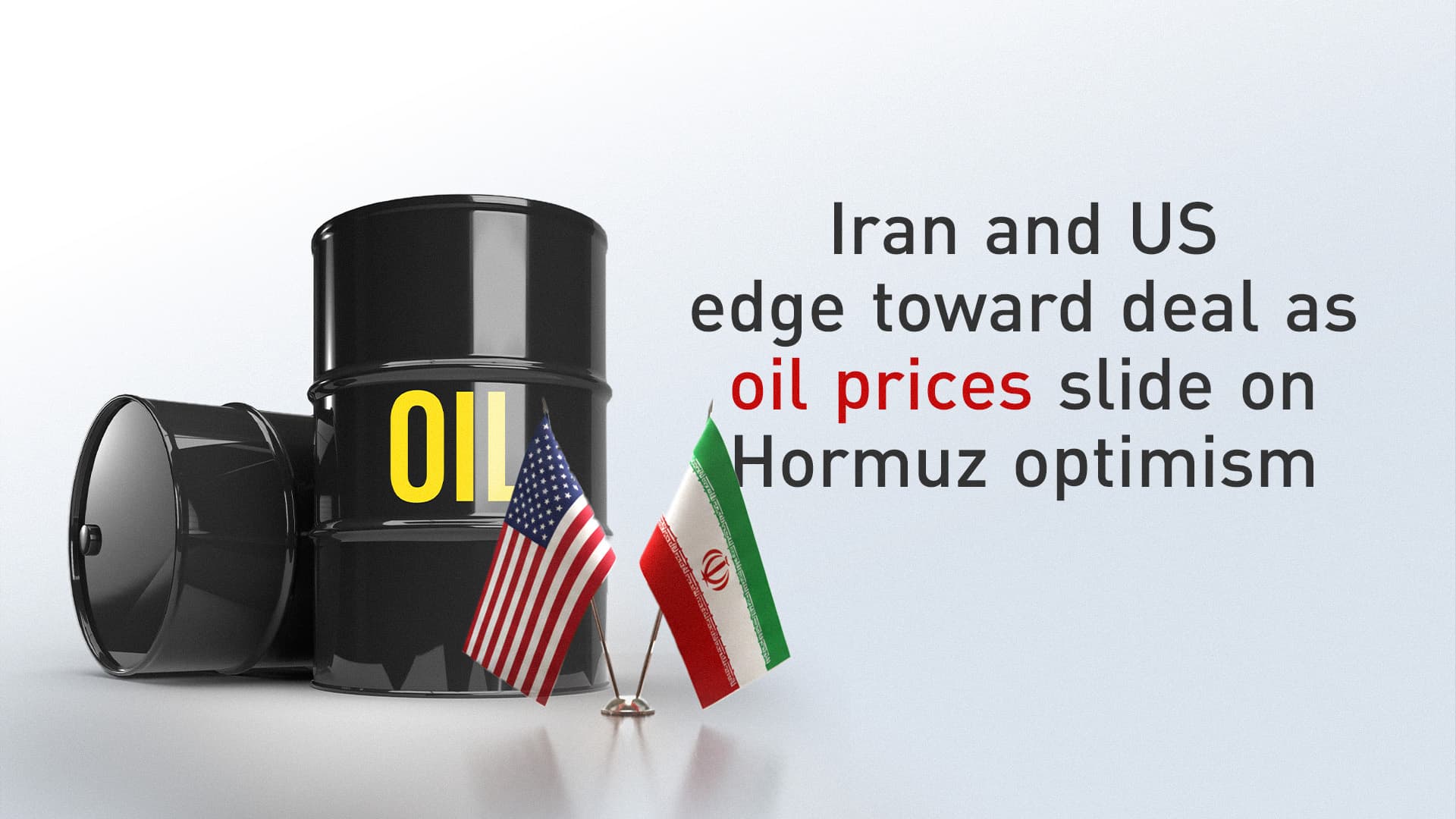
The economic consequences were felt immediately. Oil prices fell after the announcement, as markets priced in the possibility that the Strait of Hormuz could reopen and reduce the risk to global shipping. French President Emmanuel Macron said the G7 would discuss the long-term reopening of the strait, a sign that the deal’s impact already reaches far beyond Washington, Tehran, and Islamabad. Pakistan has emerged as a central mediator, and the Swiss signing ceremony will test whether this fragile framework can survive contact with the terms still left on the table.
This article was produced by Prism’s automated news system from verified source data, official records, and press releases, then run through automated quality and moderation checks before publishing. The system is built and supervised by the people who set the standards it runs under. Read our full AI policy.
Know something we missed? Have a correction or additional information?
Submit a Tip