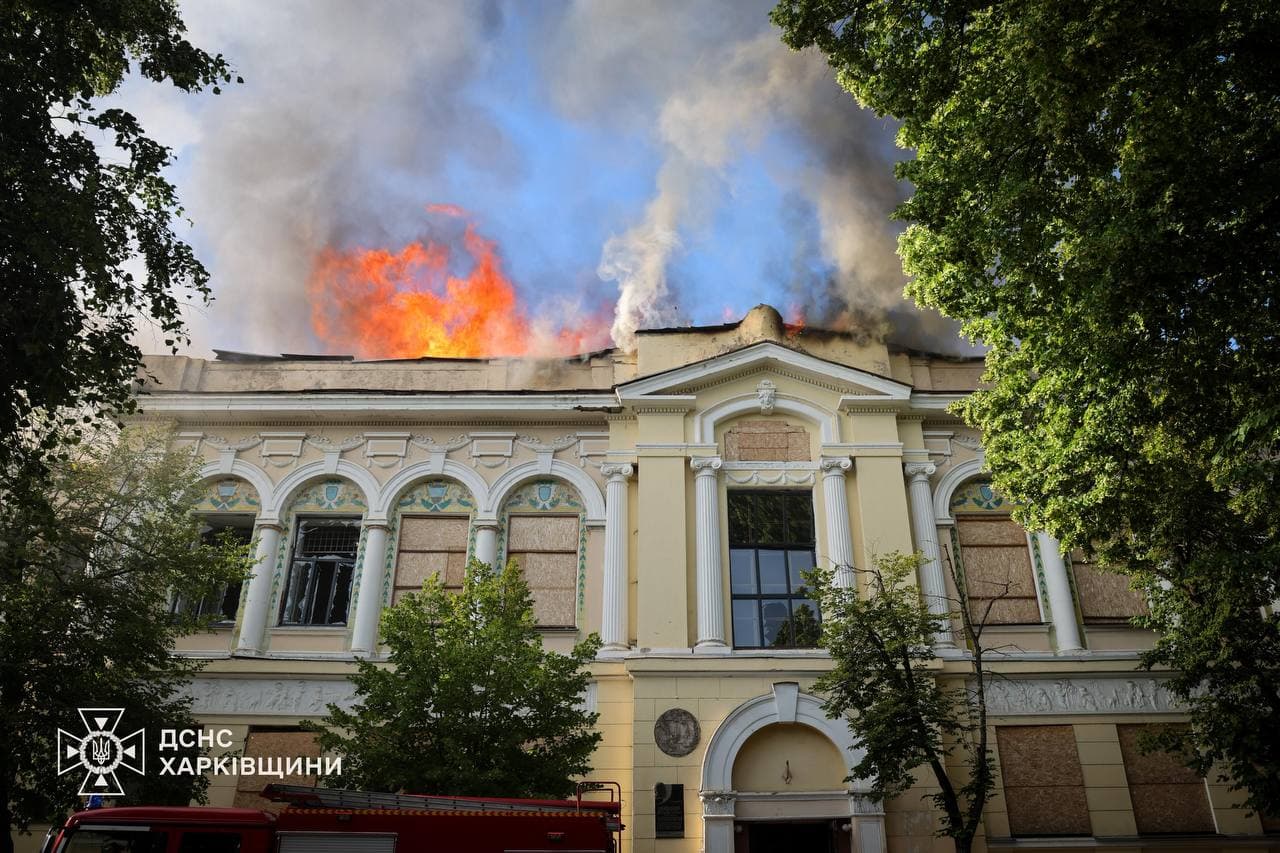
Oil prices slide as U.S., Iran move closer to peace deal
Oil fell toward its lowest since March as the U.S. and Iran edged toward a deal, raising hopes for cheaper gas, freight and easing inflation pressure.
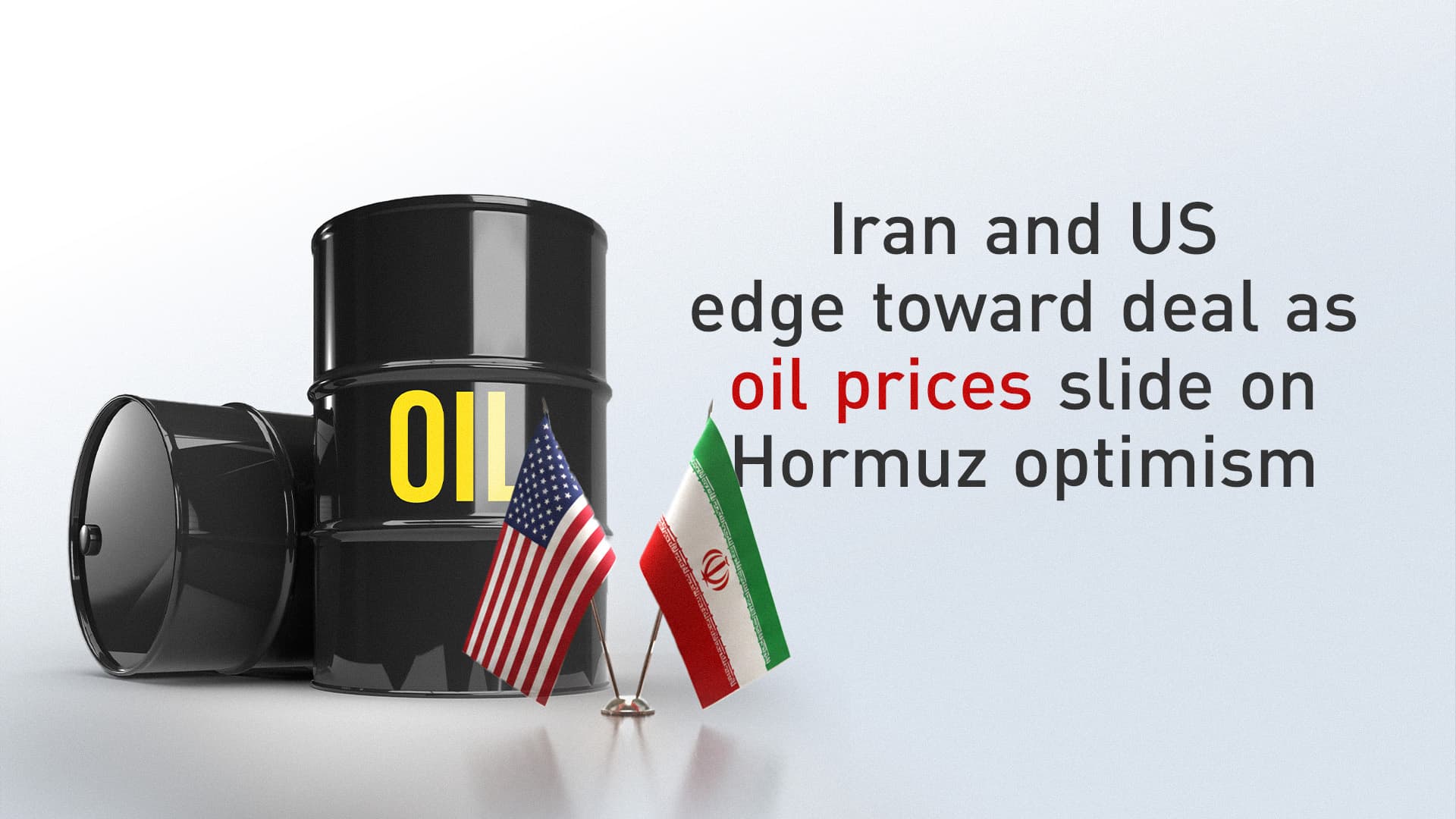
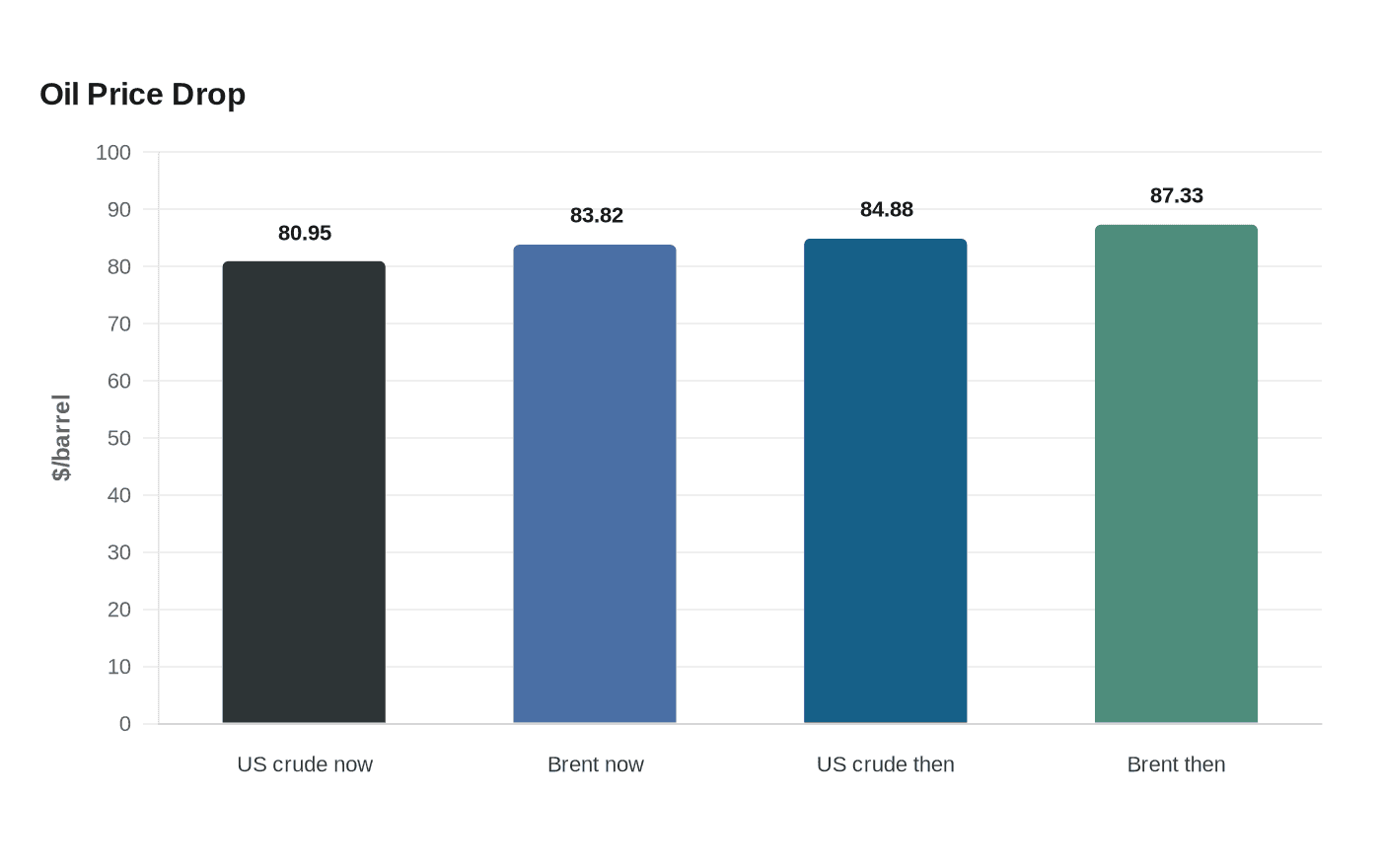
Drivers, shippers and retailers got an immediate signal that fuel costs could ease after oil prices slid on signs the U.S. and Iran were closing in on a peace deal that could reopen the Strait of Hormuz. U.S. crude fell about 4% to $80.95 a barrel, while Brent dropped to about $83.82, a move that can ripple quickly through gasoline prices, shipping rates and inflation expectations if it lasts.
The selloff built on an earlier drop, when U.S. crude fell 3.2% to $84.88 and Brent slipped 3.4% to $87.33 after reports of a proposed agreement. Oil was down about 6% for the week at that point, but it remained more than 20% above levels before the Feb. 28 attacks on Iran, a reminder that the market is still trading with a major war premium in place.
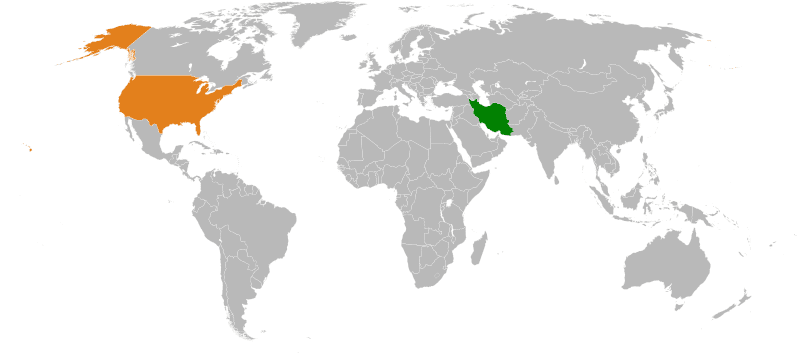
A senior Trump administration official put the odds of a deal in the coming days at 80%, while Iranian Foreign Minister Abbas Araghchi said a memorandum of understanding had “never been closer.” Pakistan Prime Minister Shehbaz Sharif then said the peace deal had been reached, with Pakistan acting as mediator and an official signing ceremony set for Friday, June 19, in Switzerland. The agreement is meant to end nearly four months of war and includes the immediate and permanent termination of military operations on all fronts, including in Lebanon.
The market reaction reflects how much hangs on Hormuz, through which a large share of the world’s oil passes. The International Energy Agency said in May that output from Gulf countries affected by the closure was 14.4 million barrels per day below pre-war levels. It projected global oil supply would average 102.2 million barrels per day in 2026 if flows through the strait gradually resumed from June.
That is why traders are watching the deal as more than a diplomatic headline. If tankers move freely again, crude prices could keep falling, and with them the cost pressure on households and businesses that has been built into everything from fuel pumps to freight invoices. If the agreement stalls or violence resumes, the relief could vanish just as quickly, leaving consumers and global markets back where they started: paying for uncertainty.
This article was produced by Prism’s automated news system from verified source data, official records, and press releases, then run through automated quality and moderation checks before publishing. The system is built and supervised by the people who set the standards it runs under. Read our full AI policy.
Know something we missed? Have a correction or additional information?
Submit a Tip