Trump heads to France for G7 summit amid Ukraine, Middle East tensions
Trump arrived in France for a G7 overshadowed by Ukraine and the Middle East, seeking validation from allies and a clearer share of the burden.
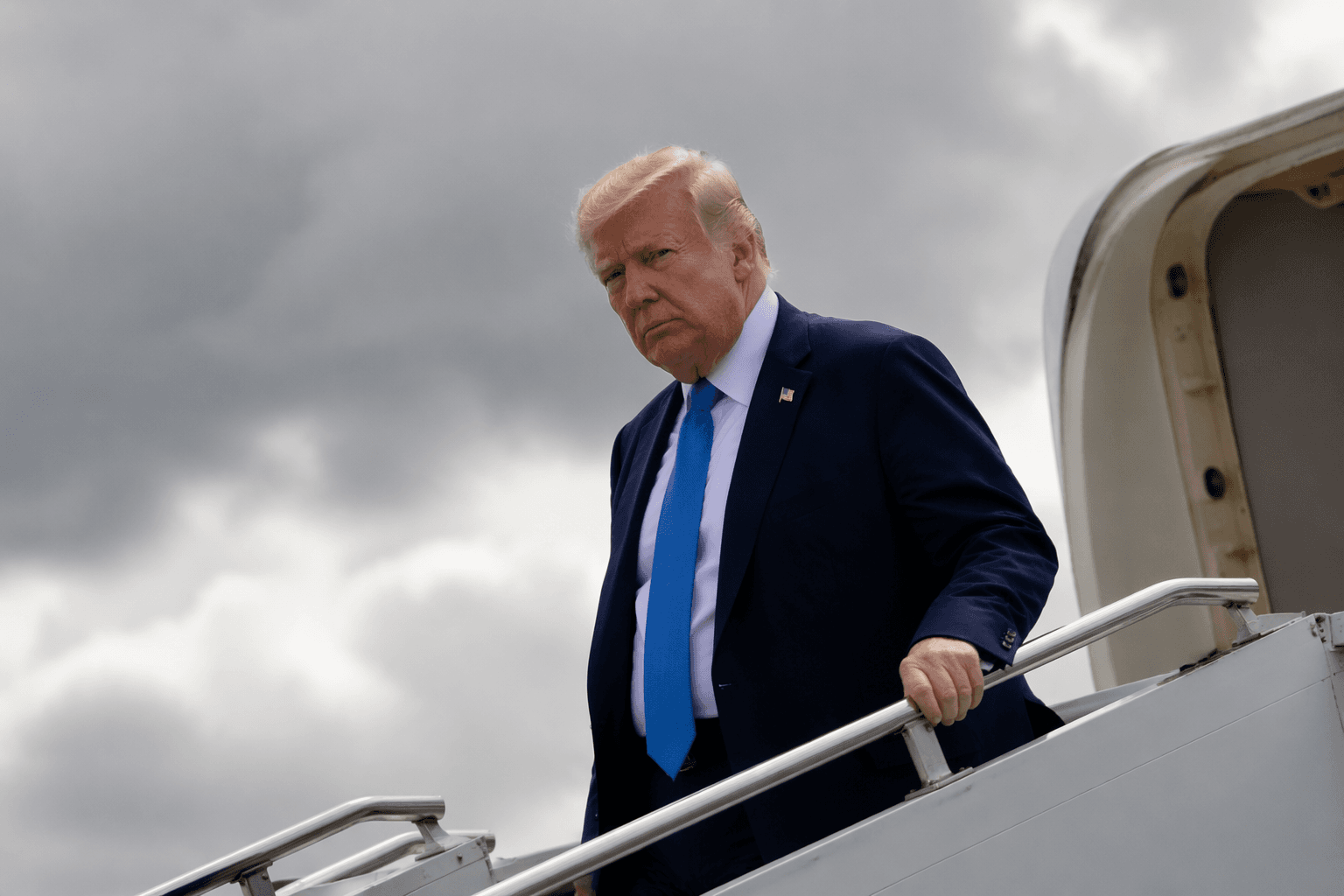
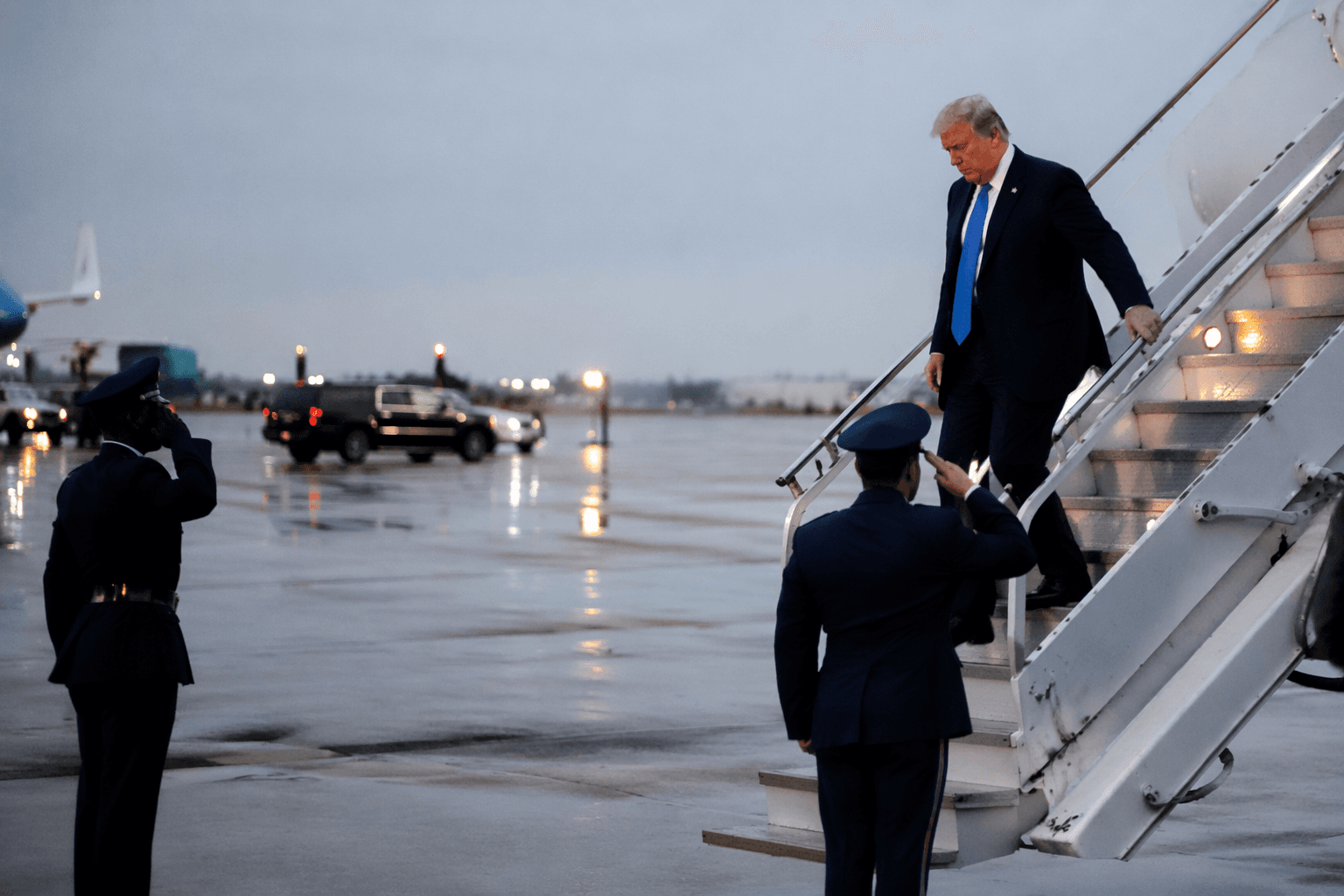
President Donald Trump left Washington Sunday night for France as the G7 summit in Évian opened with two wars and a diplomatic test hanging over the table. The central question for Trump is not just whether he can project strength, but whether he can persuade allies that his approach still commands confidence and can be translated into shared action.
France is hosting the June 15-17 gathering as the rotating G7 presidency, with leaders from the United States, Canada, France, Germany, Italy, Japan and the United Kingdom joined by the European Union. Évian, near the Swiss border, has been cast by the French presidency as a place with historic resonance, returning to the center of international attention 23 years after the 2003 Evian G8 summit and seven years after the 2019 G7 meeting in Biarritz. France also shifted the summit dates to avoid a clash with a White House mixed martial arts event planned for June 14.
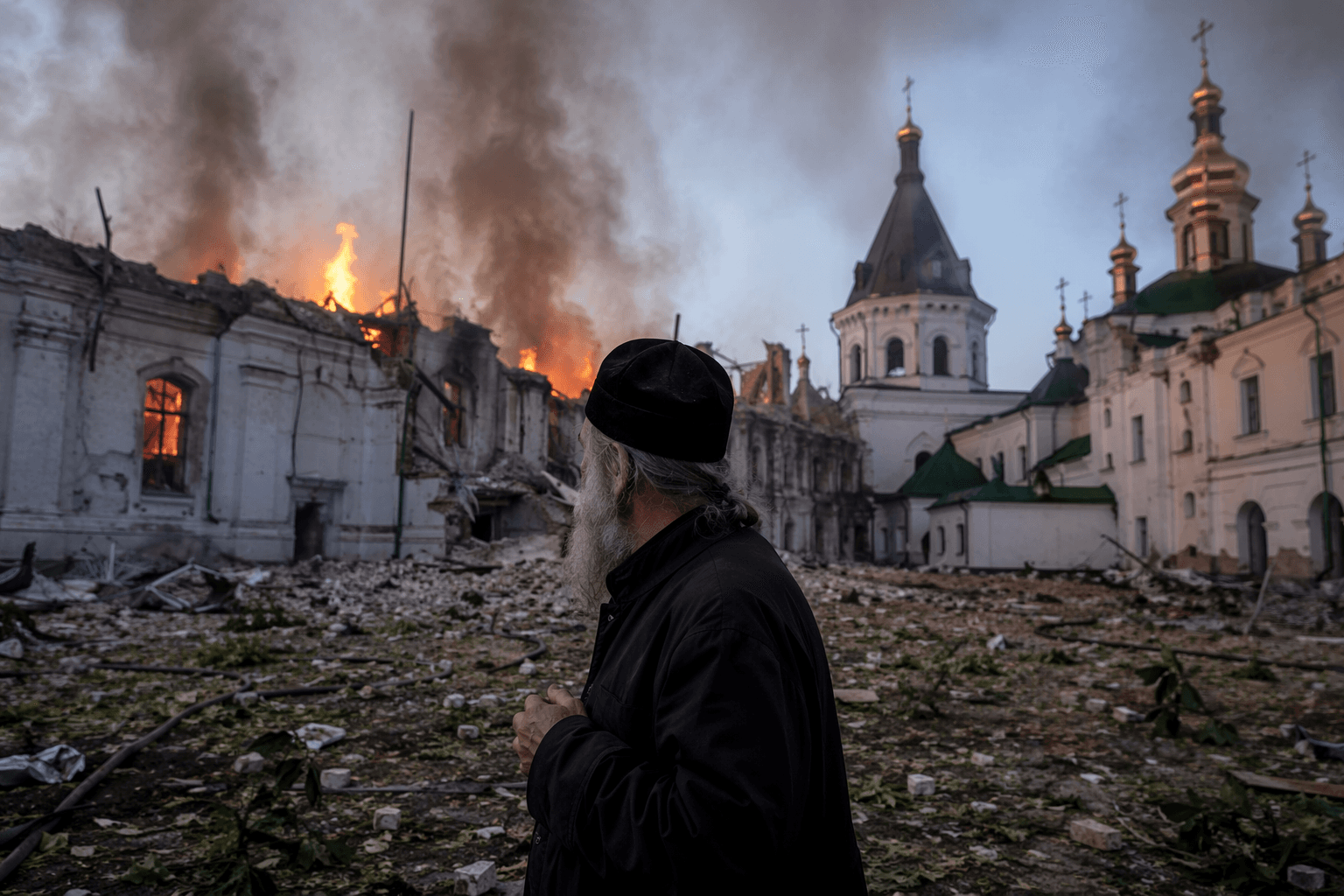
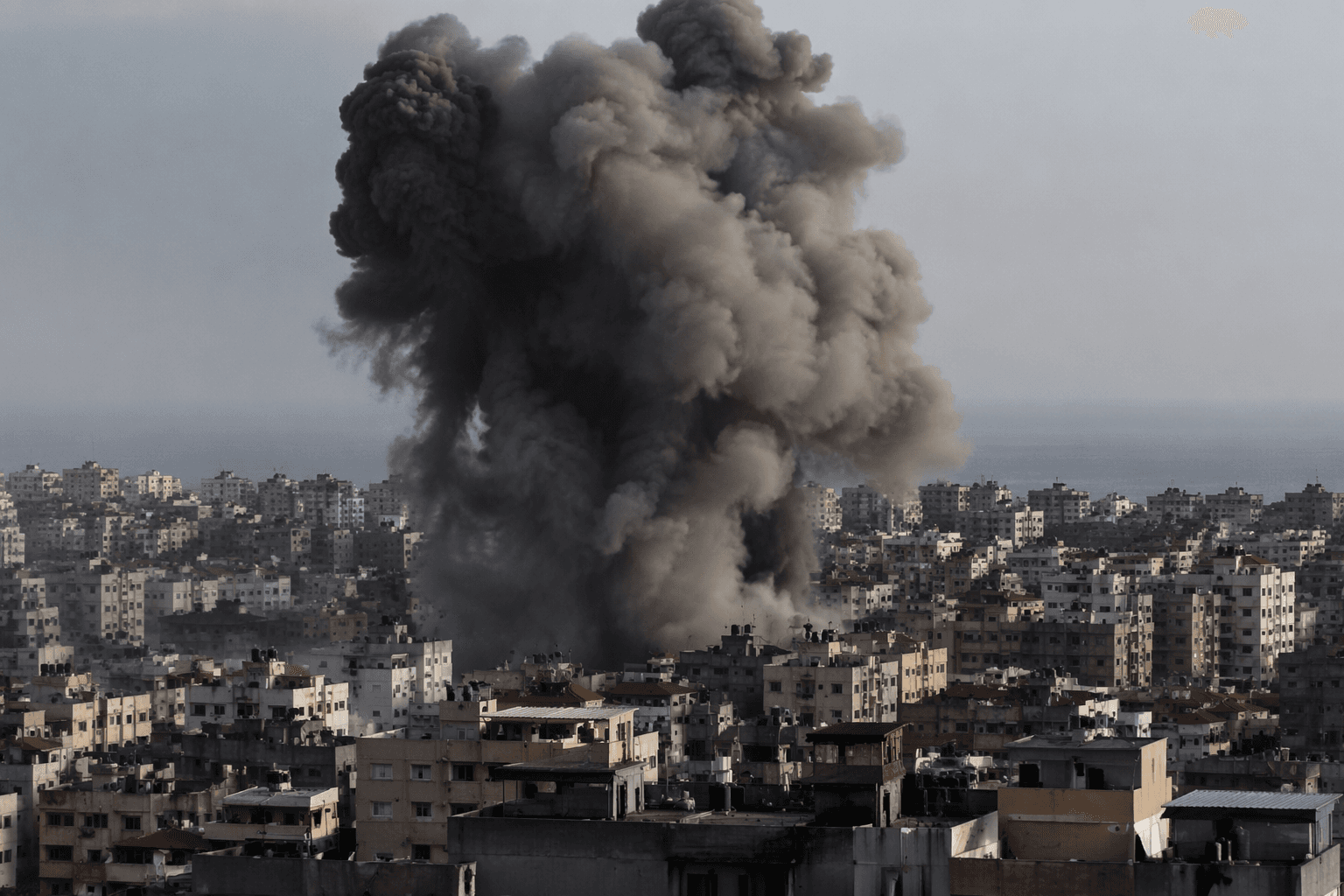
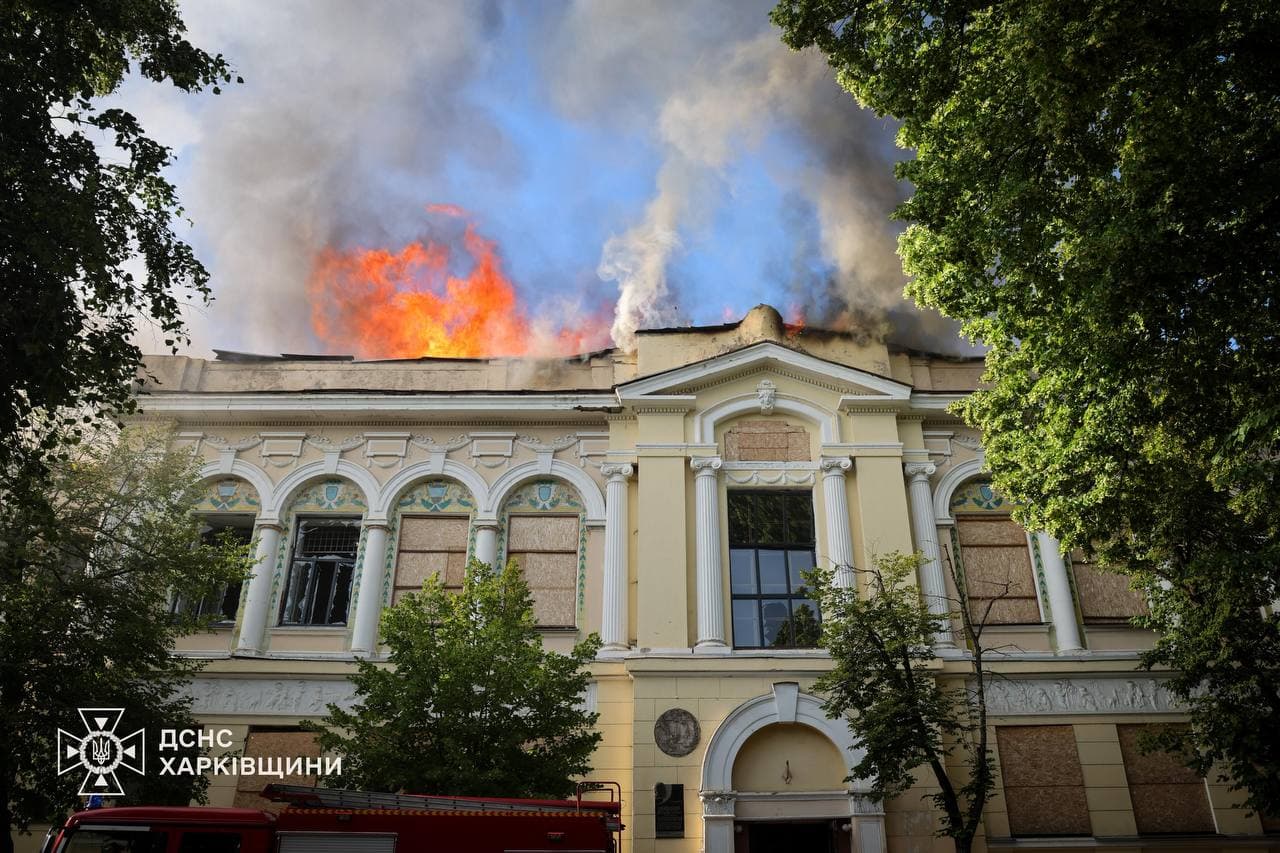
The agenda is expected to be dominated by the war in Ukraine and the crisis in the Middle East, two conflicts that have sharpened demands for coordination on sanctions, military aid and regional stability. For Trump, the summit offers a chance to show that a sudden diplomatic move can still produce allied backing rather than fresh skepticism, especially as European leaders watch for signs of burden-sharing rather than another round of pressure on partners.
The summit will also give Trump face time with some of the world’s most important leaders. He is expected to dine with French President Emmanuel Macron at the Palace of Versailles after the summit, and White House officials said a separate meeting with Indian Prime Minister Narendra Modi could take place on June 17 on the sidelines. Reports have said Trump is not expected to meet with Ukrainian President Volodymyr Zelensky at the summit, an absence that will be closely noted given the war in Ukraine’s central place on the agenda.
The European Union is represented by European Council President António Costa and European Commission President Ursula von der Leyen. Outside the summit venue, the politics were already spilling into the streets: thousands of demonstrators gathered in Geneva on Sunday to protest the G7 as leaders prepared to meet nearby in France. That mix of symbolism, conflict and protest makes Évian a referendum on whether Trump leaves stronger diplomatically, or with allies still waiting for proof.
This article was produced by Prism’s automated news system from verified source data, official records, and press releases, then run through automated quality and moderation checks before publishing. The system is built and supervised by the people who set the standards it runs under. Read our full AI policy.
Know something we missed? Have a correction or additional information?
Submit a Tip