Trump announces U.S.-Iran deal to reopen Strait of Hormuz
Trump said the Iran deal was complete, but its durability still hinged on a June 19 signing in Switzerland and Tehran’s next steps.
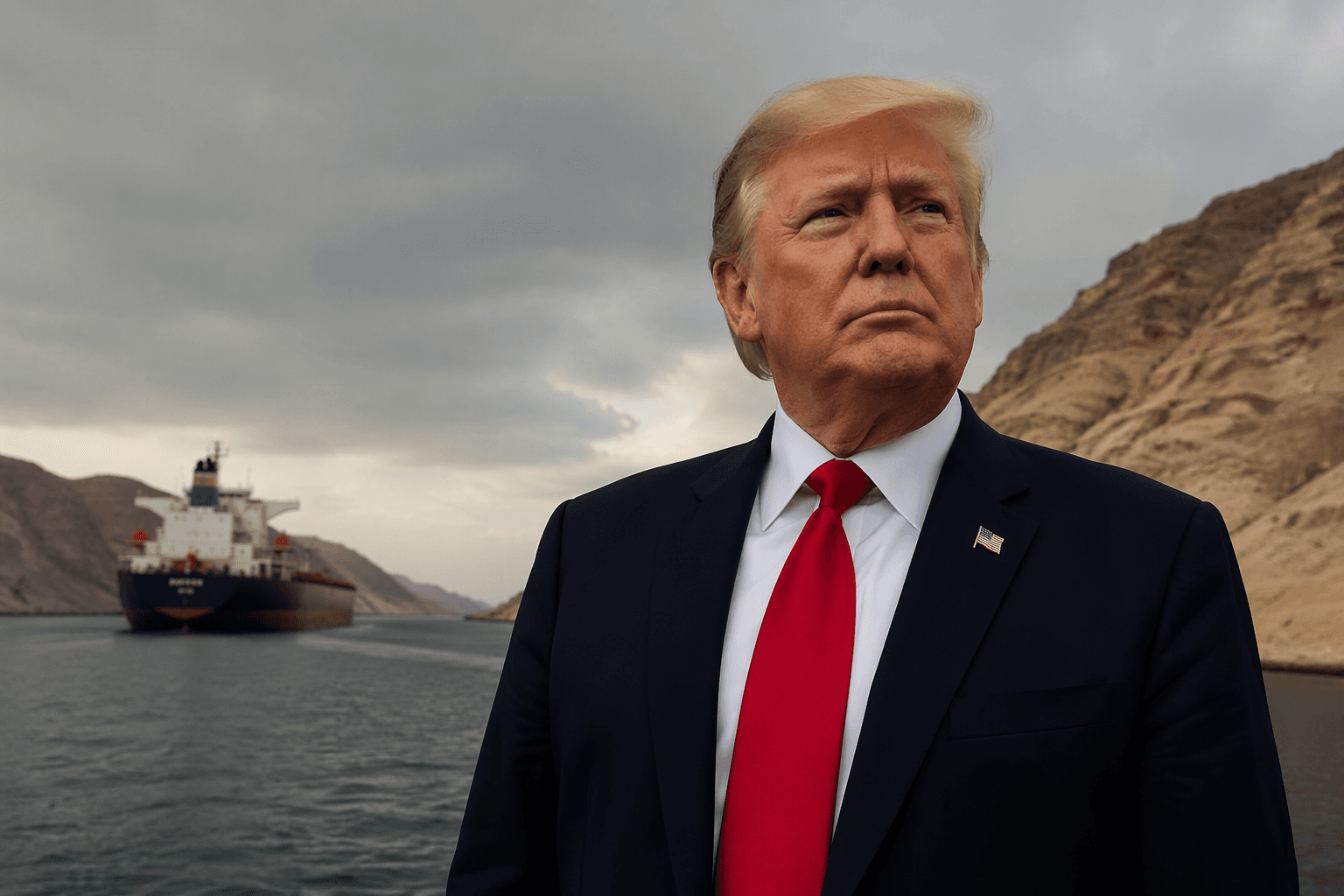
Trump said a U.S.-Iran deal was now complete and that the Strait of Hormuz would reopen after signing, but Iran had not publicly confirmed the timetable he described. The agreement, if it holds, would be formally signed Friday, June 19, 2026, in Switzerland, after months of negotiations and a fast-moving week of diplomacy and conflict.
What Trump put forward was broader than the headline suggested. He said the deal would prevent Iran from obtaining a nuclear weapon through purchase, development, or any other form of procurement, and said the United States would eventually remove and destroy Iran’s remaining nuclear material. He also said the Strait of Hormuz would be open to all once the deal was signed.
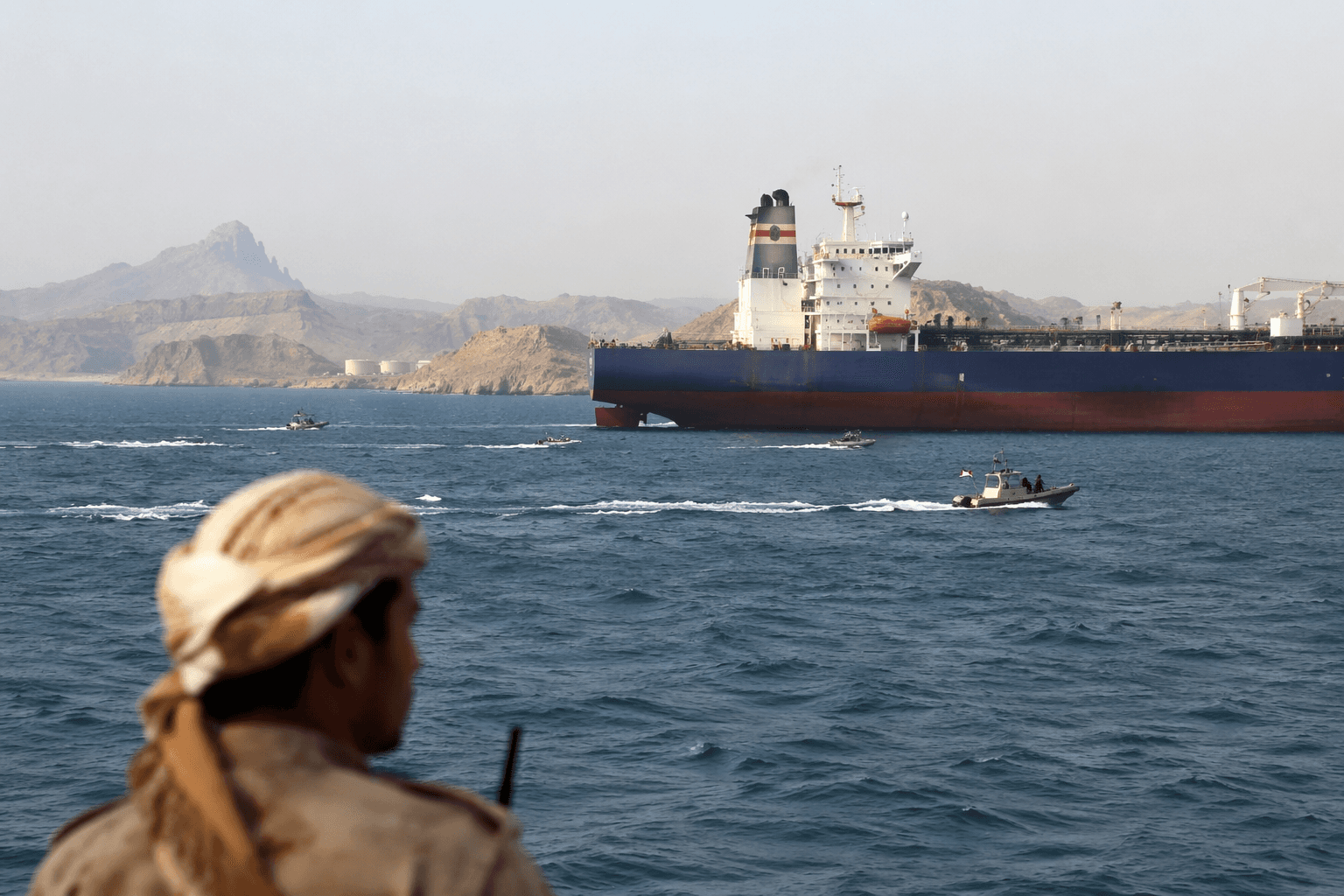
The timing still mattered as much as the wording. Trump said the settlement was subject to final documents, and that signing would take place in the next few days. Iranian Foreign Minister Abbas Araghchi had said on Friday that a deal “has never been closer,” but Iranian state media and officials were still describing the framework as short of a fully finalized peace accord. That gap leaves the most important question unanswered: whether the announced terms survive the paperwork, the signature, and the first steps of implementation.
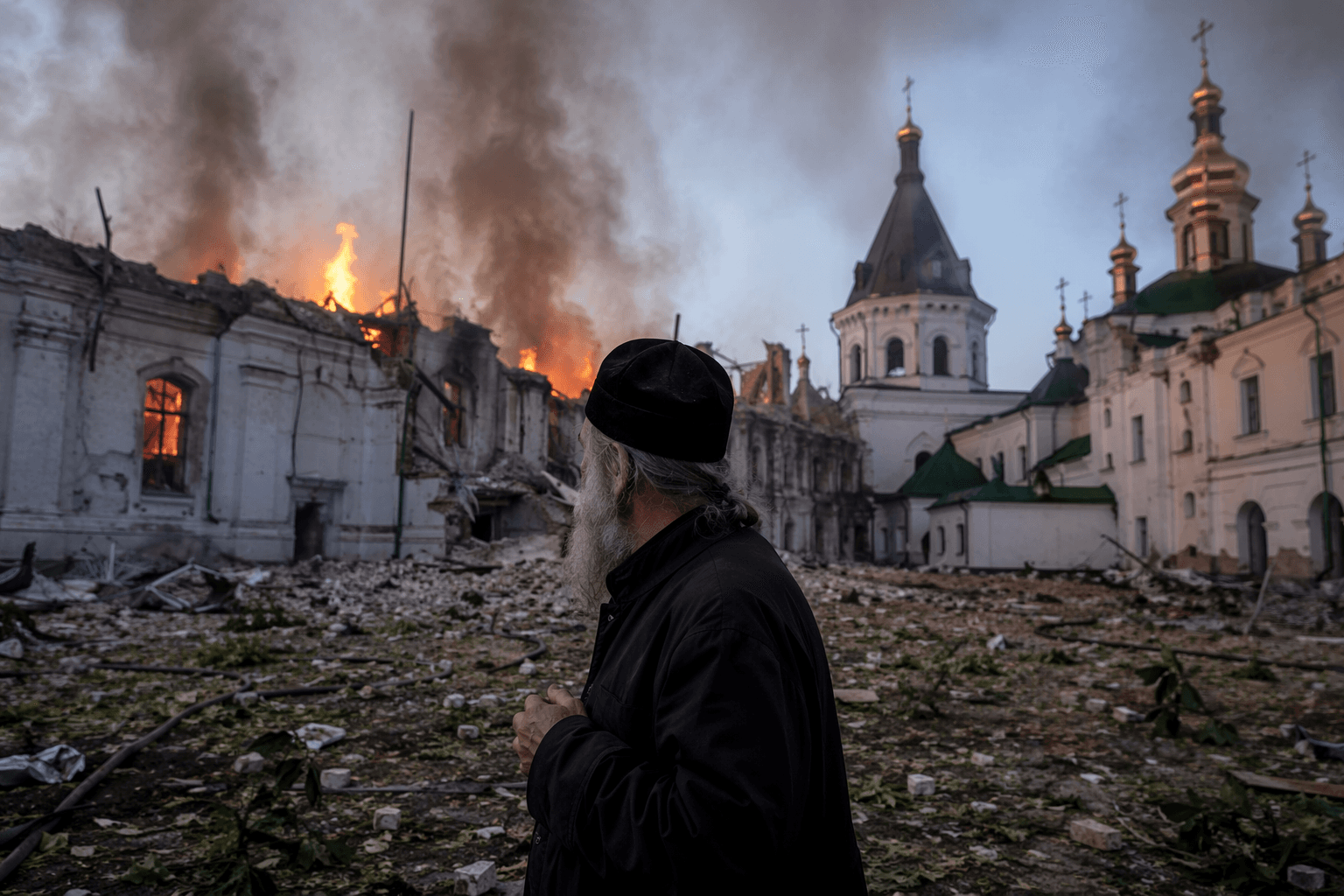
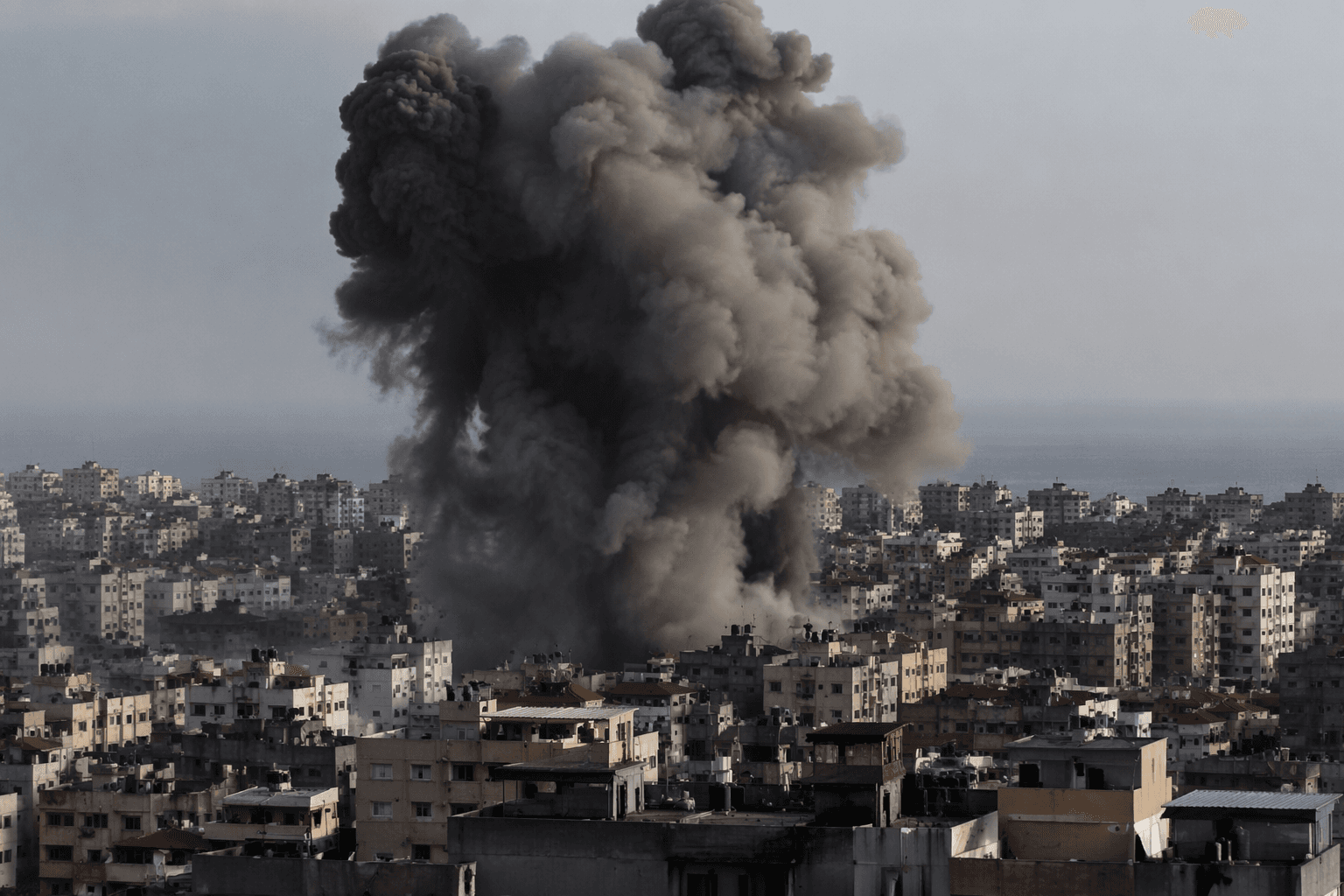
The deal came after nearly four months of war that had already disrupted global trade and driven energy prices higher, with the Strait of Hormuz at the center of the crisis. Trump had recently threatened to hit Iran “very hard tonight” before saying he canceled planned U.S. strikes, and he had also weighed action against Kharg Island, Iran’s major oil export hub. The agreement now hinges on whether the cease-fire terms, nuclear commitments, and maritime reopening all move together once the documents are signed.
Regional and international reactions suggested how much is riding on that next step. Pakistan Prime Minister Shehbaz Sharif said Pakistan served as mediator in the talks. Qatar’s foreign ministry welcomed the agreement and called it an important step toward sustainable peace and freedom of navigation in the Strait of Hormuz. European governments including the U.K., Germany, France and Italy also signaled they would be willing to lift sanctions on Iran if Tehran took steps on its nuclear program. But Iranian state media framed the deal skeptically, with one banner saying the U.S. was “forced to sign an agreement to end the war,” and Iran’s Foreign Ministry blaming the U.S. and Israel for continued instability in the region. The deal’s fate now depends on whether those competing versions converge into a signed accord or split apart before Friday.
This article was produced by Prism’s automated news system from verified source data, official records, and press releases, then run through automated quality and moderation checks before publishing. The system is built and supervised by the people who set the standards it runs under. Read our full AI policy.
Know something we missed? Have a correction or additional information?
Submit a Tip