Magistrates report widespread disabled access failures in courts across England, Wales
Broken lifts and unsafe ramps were found across magistrates’ courts, with only one of 57 buildings fully meeting the “good” standard in every area.
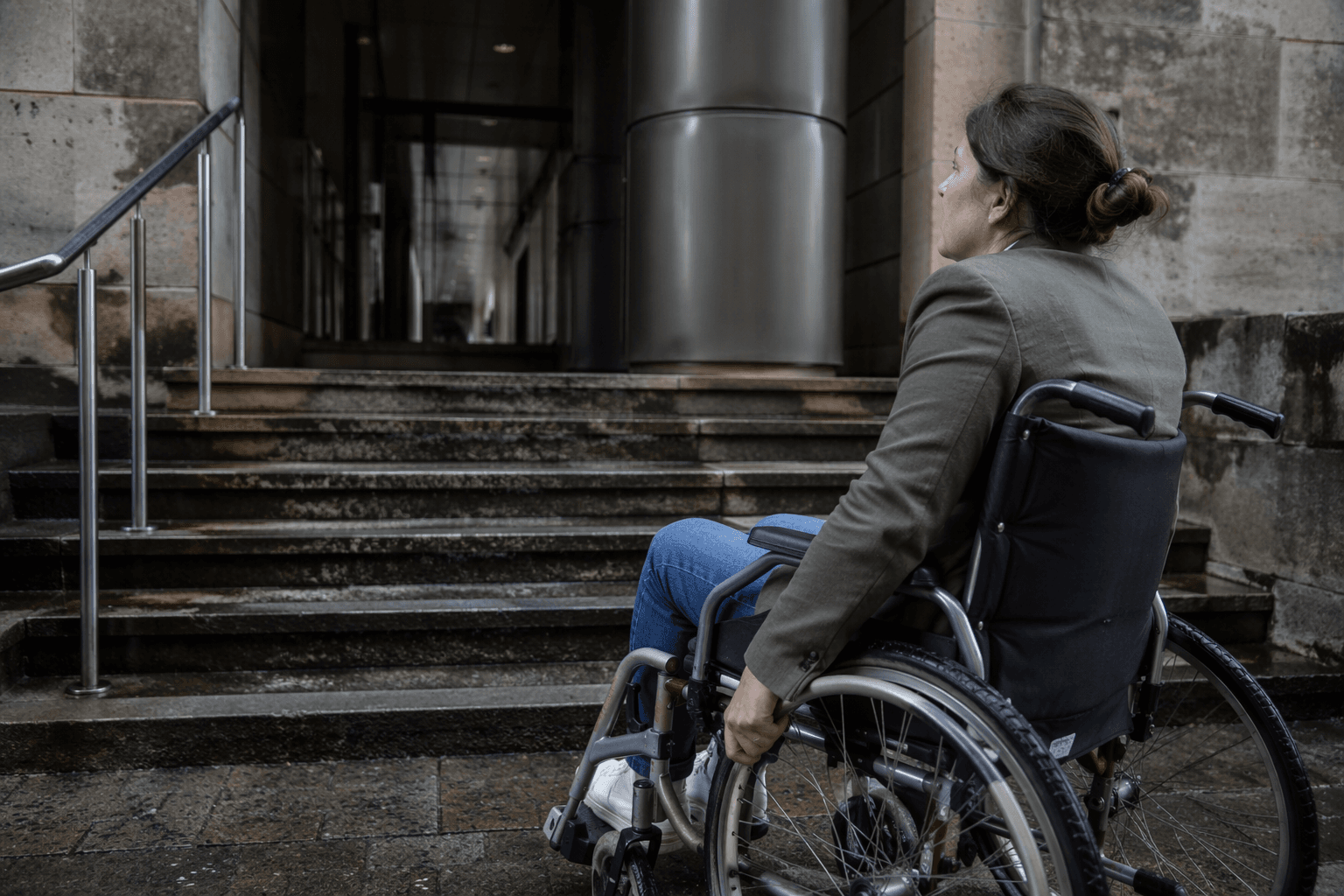
Broken lifts, unsafe ramps and inaccessible toilets were not just inconveniences in England and Wales’ magistrates’ courts. They were barriers to due process, preventing disabled people from entering hearings on equal terms and, in some cases, pushing magistrates to resign.
A survey for the Magistrates’ Association found that access failures were widespread across the court estate. Of 57 court buildings examined in 2022 for a June 2023 report, only about a quarter were classed as “good”, and only one court achieved that standard across all building areas. Seven were judged “insufficiently accessible”, underscoring how far many buildings fell short of basic equality requirements.
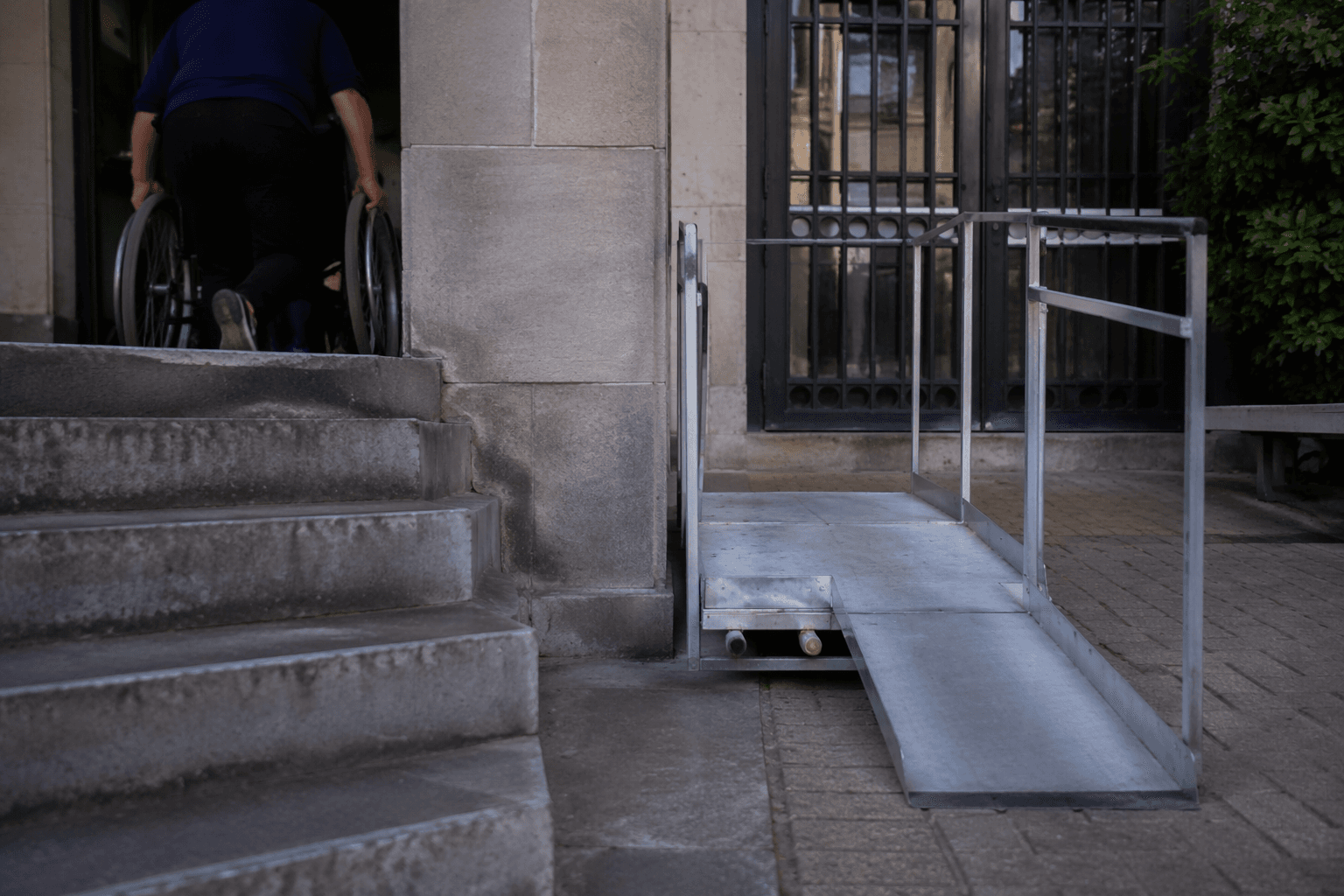
The most serious problems were at the points where a court either welcomes or excludes people. More than two thirds of the surveyed courts had either no accessible toilet or toilets that failed to meet access standards. Fifty-one percent did not have level or ramp access to all areas for magistrates, while 17% required disabled magistrates to use the public entrance because there was no accessible judicial entrance. The association said that lack of accessibility had already led to resignations, and warned that courts and some magistrates were being underused because of an exclusionary environment.
The findings went beyond mobility barriers. Seventy-four percent of courtrooms had a hearing loop or similar device, but more than a fifth of courts could not confirm whether it was working. The association said accessibility mattered not only for magistrates, but for victims, witnesses, defendants, practitioners and members of the public who depend on court buildings to function properly.
HM Courts & Tribunals Service said it was trying to remove common barriers and, where that was not possible, provide support through reasonable adjustments such as large-print forms, hearing enhancement systems, ramps and lifts. It also pointed to Disability Contact Officers at the Royal Courts of Justice and other support measures. HMCTS, the body responsible for courts and tribunals in England and Wales, said its reform programme included more than 50 projects and that its access-to-justice framework used data and primary research to identify, fix and monitor barriers.
The wider picture has remained stark. Legal practitioners have said access failures can delay or disrupt hearings, with clients sometimes forced through back entrances, narrow corridors and unusable disabled toilets. A 2020 survey cited in a 2024 legal blog found only 2% of courthouses were fully accessible and 84% could not be fully accessed by wheelchair users. Against that backdrop, the magistrates’ report treated accessibility as a core test of whether the justice system is open at all.
This article was produced by Prism’s automated news system from verified source data, official records, and press releases, then run through automated quality and moderation checks before publishing. The system is built and supervised by the people who set the standards it runs under. Read our full AI policy.
Know something we missed? Have a correction or additional information?
Submit a Tip