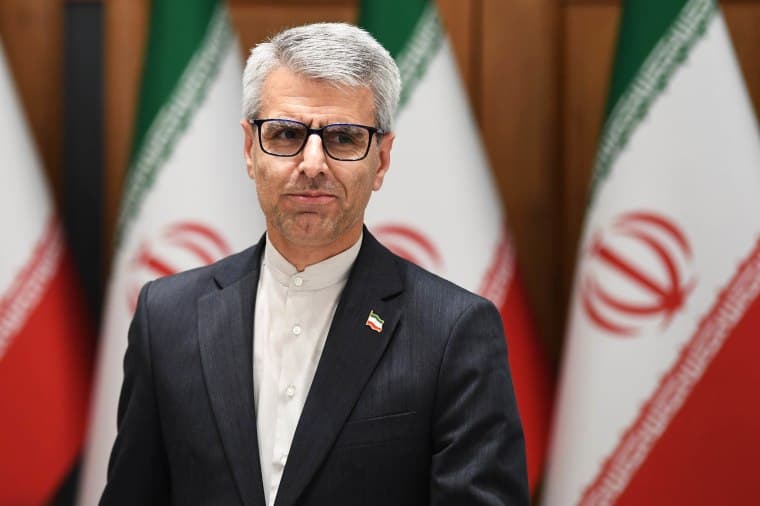
Geneva steps up security for expected 50,000-strong anti-G7 protest
Geneva braced for a 50,000-strong anti-G7 protest as border crossings closed and 4,000 Swiss troops were deployed around Lake Geneva.
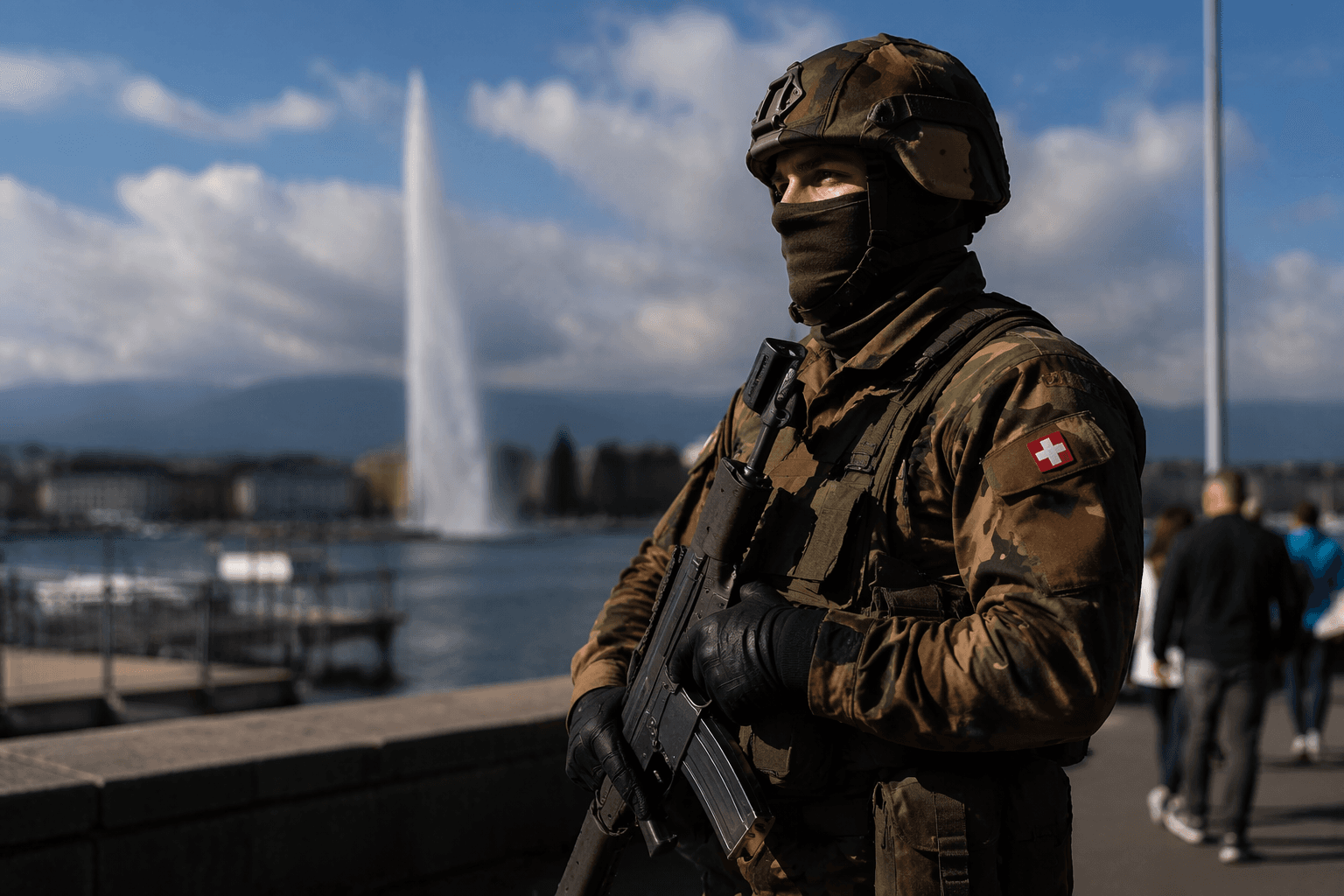
Geneva moved into high alert as authorities prepared for a major anti-G7 protest expected to draw about 50,000 people, even though the summit itself was being held just across the border in France. The security push turned the Swiss city into the key pressure point for a gathering of world leaders in Évian-les-Bains, with officials trying to contain unrest without choking off the right to demonstrate.
The plans laid out in Geneva included the closure and control of 27 border crossings between France and Switzerland from Friday evening, a sign of how far the security perimeter was reaching beyond the summit venue. Switzerland also agreed a joint military security plan with France around Lake Geneva and its airspace, while about 4,000 troops were being deployed inside Swiss territory to reinforce the operation.
French and Swiss authorities were also imposing week-long border restrictions that officials described as pandemic-like, underscoring the scale of the disruption around the summit. Leaders were due to gather in Évian-les-Bains from June 15 to 17, but the traffic, security and logistics burden was already falling heavily on Geneva, where summit arrivals were expected to pass through before crossing into France.
For businesses in Geneva, the immediate concern was less diplomacy than damage control. Retailers were boarding up windows and installing barricades as they braced for blocked roads, lower foot traffic and the possibility of clashes if the demonstrations turned violent. That caution was sharpened by memories of the 2003 G7 summit in neighboring Évian, when downtown Geneva suffered heavy vandalism.
The protest coalition, known as No G7, brought together associations, trade unions and left-wing parties, making the mobilization broader than a single-issue campaign. Geneva authorities had earlier tried to ban all summit-related demonstrations, but officials and organizers later settled on a march route for June 14 that avoided the Mont Blanc Bridge in the city center.
That compromise reflected the balancing act now facing the canton: preserve space for protest while reducing the risk of property damage and street violence. Thierry Apothéloz and other Geneva officials have said the goal was to keep the situation under control without escalating tensions further, a difficult line as the city prepared to absorb the fallout from a summit hosted in France but policed, in part, from Swiss streets.
This article was produced by Prism’s automated news system from verified source data, official records, and press releases, then run through automated quality and moderation checks before publishing. The system is built and supervised by the people who set the standards it runs under. Read our full AI policy.
Know something we missed? Have a correction or additional information?
Submit a Tip