Palestinian homes are being demolished in East Jerusalem for park plans
Bulldozers in Silwan are forcing families to raze their own homes, turning park plans into a slow displacement from East Jerusalem.
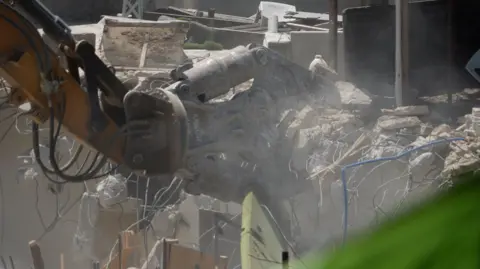
In Silwan, families are watching years of work disappear under their own hands. Some have torn down apartments themselves because municipal demolition costs and fines would have been even higher than losing the home. In East Jerusalem, that choice is becoming common as park plans, planning rules and settlement politics converge on neighborhoods near the Old City and the City of David.
The pressure is most acute in Silwan, a Palestinian neighborhood in occupied East Jerusalem that sits beside the Old City and the City of David archaeological site. The area has long been targeted for redevelopment tied to a national park or biblical theme park, a vision residents and rights groups say would push Palestinians out and tighten Jewish control over land already treated as occupied territory by most of the international community. East Jerusalem was captured by Israel in the 1967 war and annexed in 1980, a move that has never won broad international recognition.
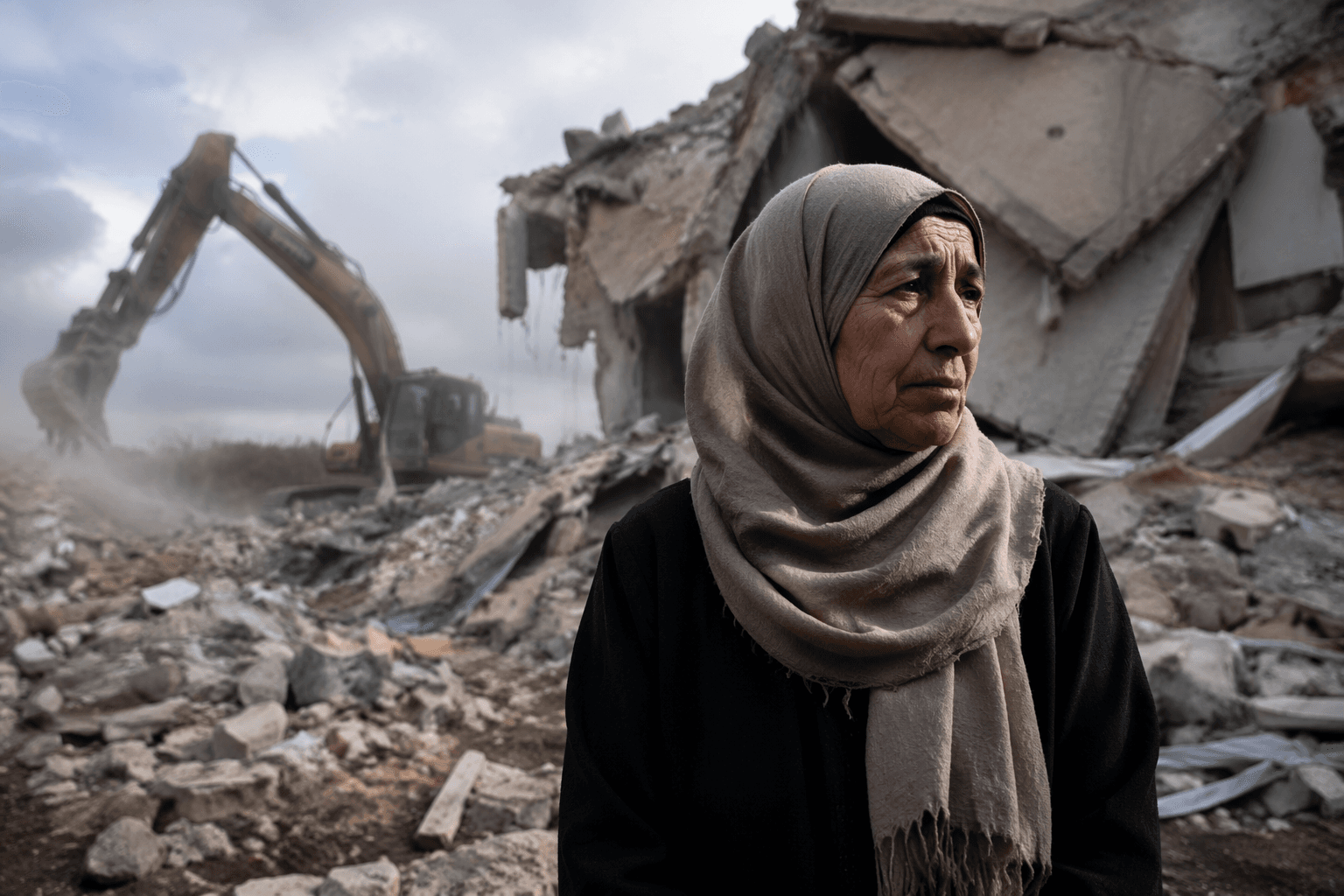
For Palestinians, the policy has translated into years of demolition orders. Since 2005, Israeli authorities have issued warnings for homes and other structures built without permits. Residents and advocacy groups say those permits are effectively out of reach, while city officials insist the structures are illegal and that the law is being applied equally.
The numbers show how hard the campaign has hit. In 2024, Israeli authorities demolished 255 Palestinian structures in East Jerusalem, including 181 homes. In 108 of those cases, residents carried out the demolition themselves to avoid fines and enforcement costs. One account put the total for 2025 at more than 260 demolitions, with at least 116 already logged by early June 2026.
Al-Bustan has become the clearest symbol of the fight. The neighborhood in Silwan is home to about 1,500 residents and has long been slated for demolition under municipal plans that would clear space for a biblical theme park. After two decades of legal challenges, some families have still been ordered to tear down their own homes, including Omar Abu Rajab, who said he had already been forced out of two other homes over the past decade and chose self-demolition because it was cheaper than paying the city to do it.
Rights groups such as Ir Amim and Bimkom say the demolition drive is part of a wider effort to expand settlement and control demographics in East Jerusalem. Ir Amim has said Jerusalem approved nearly 9,000 building permits for Jewish residents in one recent year, compared with fewer than 700 for Palestinians. For residents like Fakhri Abu Diab, who lost his home after years of court battles, the damage is more than financial. It is the erasure of family history, and a message that there is no stable future left to build on in East Jerusalem.
This article was produced by Prism’s automated news system from verified source data, official records, and press releases, then run through automated quality and moderation checks before publishing. The system is built and supervised by the people who set the standards it runs under. Read our full AI policy.
Know something we missed? Have a correction or additional information?
Submit a Tip