Georgia Republicans drop plan to redraw congressional maps in special session
Georgia Republicans backed away from a mid-decade map redraw as protests swelled at the Capitol and legal warnings piled up over the state’s 2021 districts.
Georgia Republicans abandoned plans to redraw the state’s congressional and legislative maps just hours before the special session was set to begin, stopping a move that had drawn weeks of protest, legal warning and intraparty unease. The retreat left an open split between Gov. Brian Kemp and legislative Republicans, while keeping the state’s separate election-system deadline on the agenda.
House Speaker Jon Burns said the GOP would not take up redistricting during the special session because of pending court cases over Georgia’s 2021 maps and because the compressed schedule left no room for public input or careful review. Senate President Pro Tem Larry Walker III said Senate Republicans stood “united” with the House, arguing that the state had not been given enough time to do the work the right way.
Kemp had called lawmakers back to Atlanta after the United States Supreme Court’s decision in Louisiana v. Callais, saying it changed the legal landscape for districts drawn with majority-minority lines. Kemp argued that Georgia’s existing maps had been intentionally drawn to create majority-minority districts and said there was no reason to delay the apportionment process. House Republican leaders pushed back, saying redistricting should not be rushed and should happen only when lawmakers and residents have ample time to gather facts, weigh the consequences and discuss the maps in public.
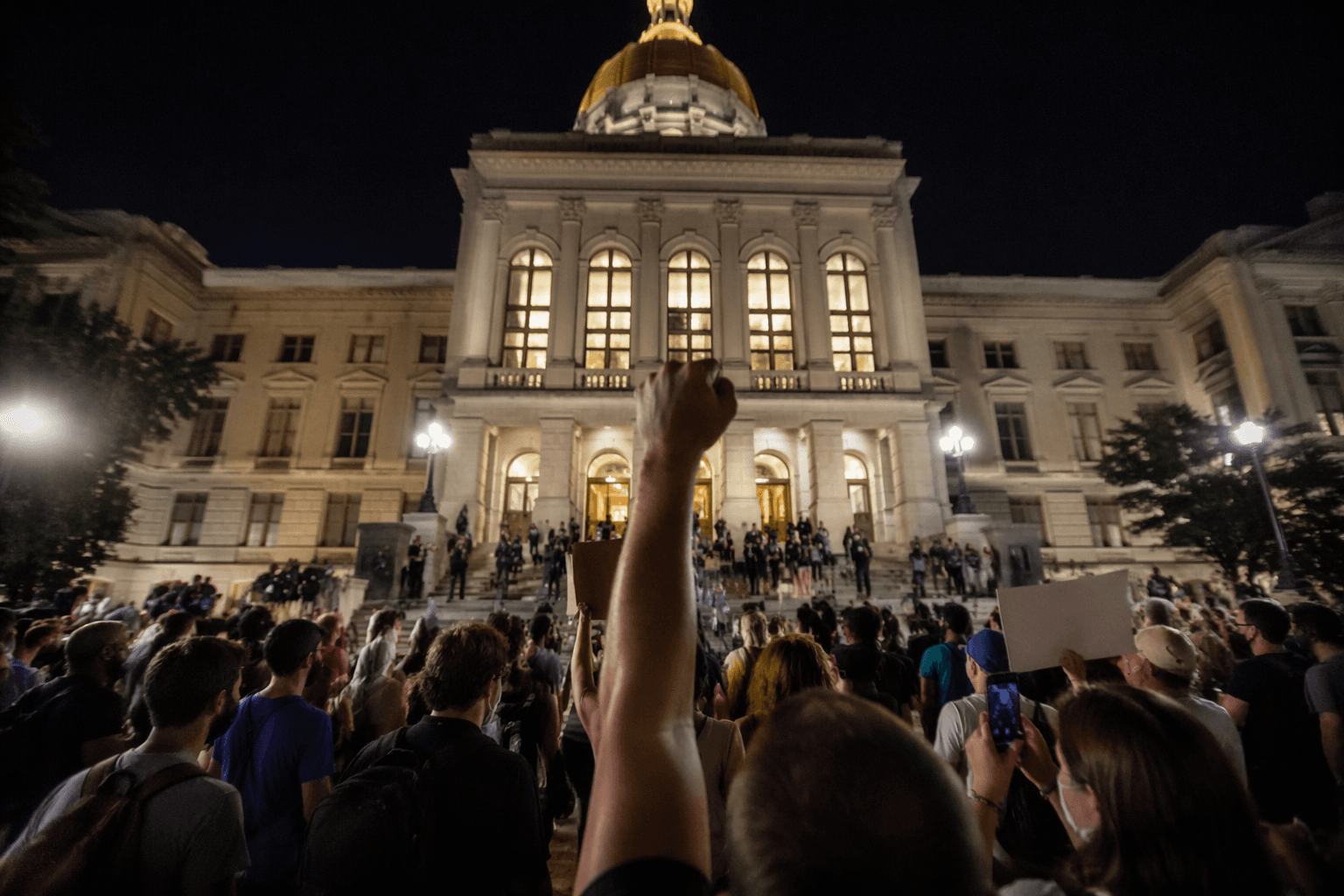
The decision came after mounting pressure from Democrats, voting rights groups, civil rights groups, organized labor and faith leaders, along with some Republicans who worried that reopening redistricting would energize Democratic turnout and overshadow the 2026 campaign season. On Wednesday morning, protesters gathered at the Georgia State Capitol to denounce what they called racist, rigged maps, underscoring how quickly the effort had become a political liability.
The fight carried heavy legal baggage. Georgia’s congressional map has been under challenge since the 2020 census, and a federal judge struck it down on October 26, 2023. The state has already faced repeated questions about Black voting power in both congressional and legislative districts, and Democratic leaders said the retreat protected that representation. Senate Minority Leader Harold Jones II and House Minority Leader Carolyn Hugley praised the pause as a victory for Black political power and civil rights, while warning that Republicans could return to the issue later.
The reversal also reflected how closely Georgia’s battle fit into a broader national push for mid-decade redistricting ahead of the 2028 election cycle, with Republicans in several states seeking to improve their House prospects. Burns and other GOP leaders left that door open, saying redistricting could still be revisited during the regular legislative session. For now, though, the party stepped back rather than force a fight that had become too risky to rush.
One major item remained unresolved. Georgia still faces a July 1, 2026 deadline tied to a 2024 law requiring changes to the state’s ballot-tabulation system, which currently uses QR codes. Election officials and county governments have warned of uncertainty over how the state will comply if lawmakers do not act, ensuring that the special session will stay politically charged even after redistricting was shelved.
This article was produced by Prism’s automated news system from verified source data, official records, and press releases, then run through automated quality and moderation checks before publishing. The system is built and supervised by the people who set the standards it runs under. Read our full AI policy.
Know something we missed? Have a correction or additional information?
Submit a Tip