German inflation edges higher in April, stays above ECB target
Germany’s inflation ticked up to 2.9% in April, with energy costs doing the heavy lifting and keeping ECB rate-cut hopes on a slower path.

Germany’s inflation rate edged up to 2.9% in April, a reminder that the country has moved well past its crisis-price spike but is still not close enough to the European Central Bank’s target to look comfortable. The federal statistics office in Wiesbaden said consumer prices rose 0.6% from March and that the annual rate matched the preliminary estimate, leaving inflation above the ECB’s 2% medium-term goal.
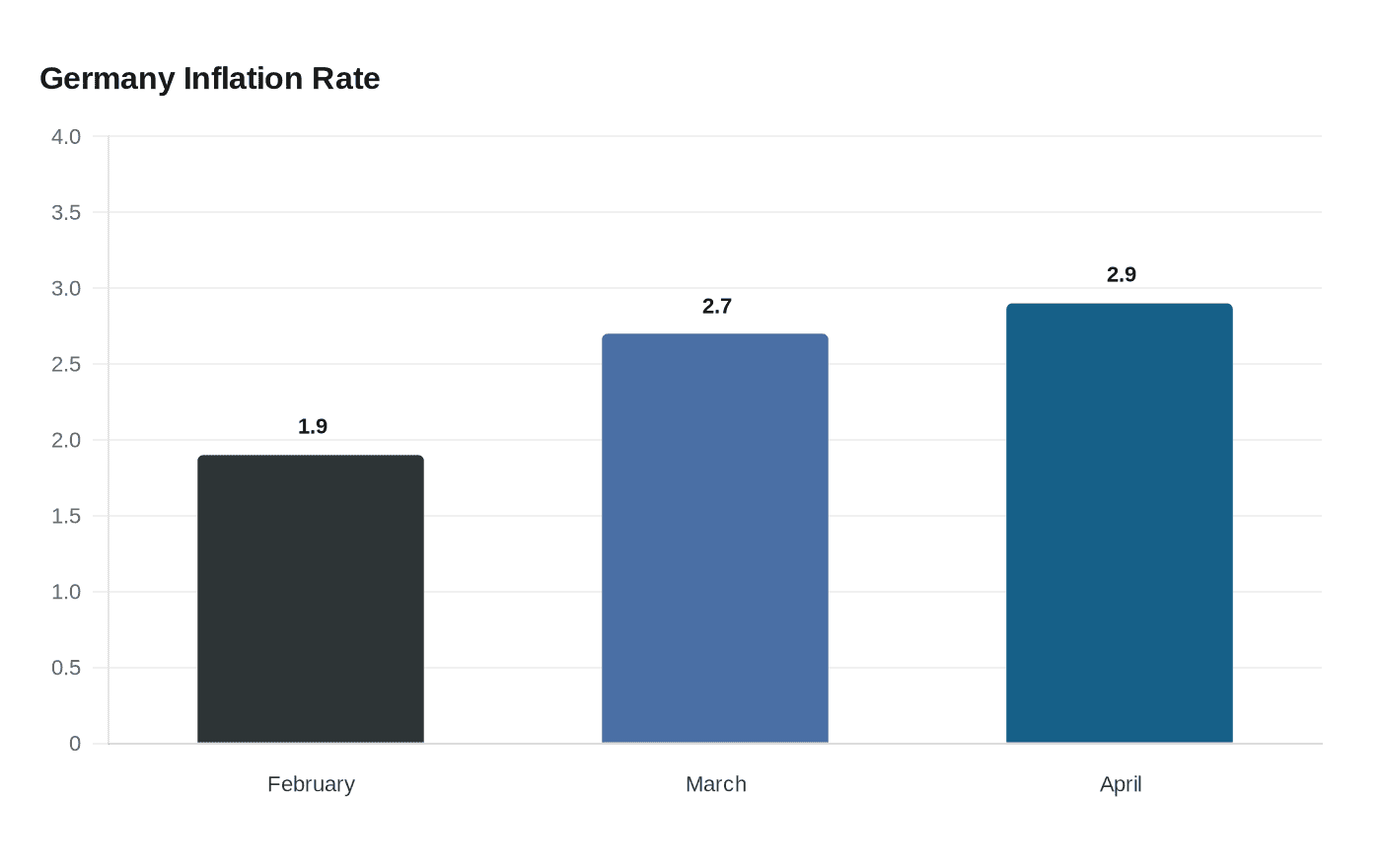
The latest reading matters because Germany is the euro area’s largest economy and its price trends carry outsized weight in policy debates across the bloc. April’s 2.9% was higher than March’s 2.7% and February’s 1.9%, and it was the highest rate recorded since January 2024. In harmonized terms, the consumer price index used for European comparison also rose 2.9% from a year earlier and 0.5% from the previous month, giving investors and policymakers a clean read on inflation momentum.
The stubborn part of the inflation story remains energy. Destatis said the April increase was driven by another rise in energy prices, including motor fuels, and it had already flagged in its preview that energy costs were expected to be 10.1% higher than a year earlier, the steepest increase since February 2023. Core inflation, which strips out food and energy, was expected at 2.3%, suggesting that some of the pressure is now concentrated in items households still feel directly at the checkout and in monthly bills.
That split matters for wages, consumer confidence and the ECB’s next move. Food, services and other everyday purchases can keep households cautious even when the worst of the inflation shock has passed. At the same time, persistent price increases make it harder for wage growth to settle and for the central bank to be confident that inflation is heading back to a stable path. The ECB’s price-stability goal is 2% inflation over the medium term, and it uses the harmonized index as its reference measure.
For markets, the April German number keeps attention on the pace of euro-zone easing. ECB professional forecasters expect headline HICP inflation across the euro area to fall to 1.8% in 2026 and return to 2.0% in 2027, but Germany’s latest reading shows how uneven the final stretch of disinflation can be. Inflation is no longer in crisis territory, but the last mile is proving sticky, and that makes a faster rate-cut cycle harder to justify.
This article was produced by Prism’s automated news system from verified source data, official records, and press releases, then run through automated quality and moderation checks before publishing. The system is built and supervised by the people who set the standards it runs under. Read our full AI policy.
Did this article answer your question?

