World Bank warns Pacific island growth will slow in 2026
Small Pacific economies are heading into 2026 with less room to absorb higher fuel, freight and tourism costs. The World Bank sees growth slowing to 2.8% across 11 island states.
Pacific island economies are entering 2026 under pressure from costs they do not control. Higher fuel and shipping bills, softer tourism momentum and narrow fiscal buffers are squeezing 11 small economies that rely heavily on imports, leaving little room to absorb even modest shocks.
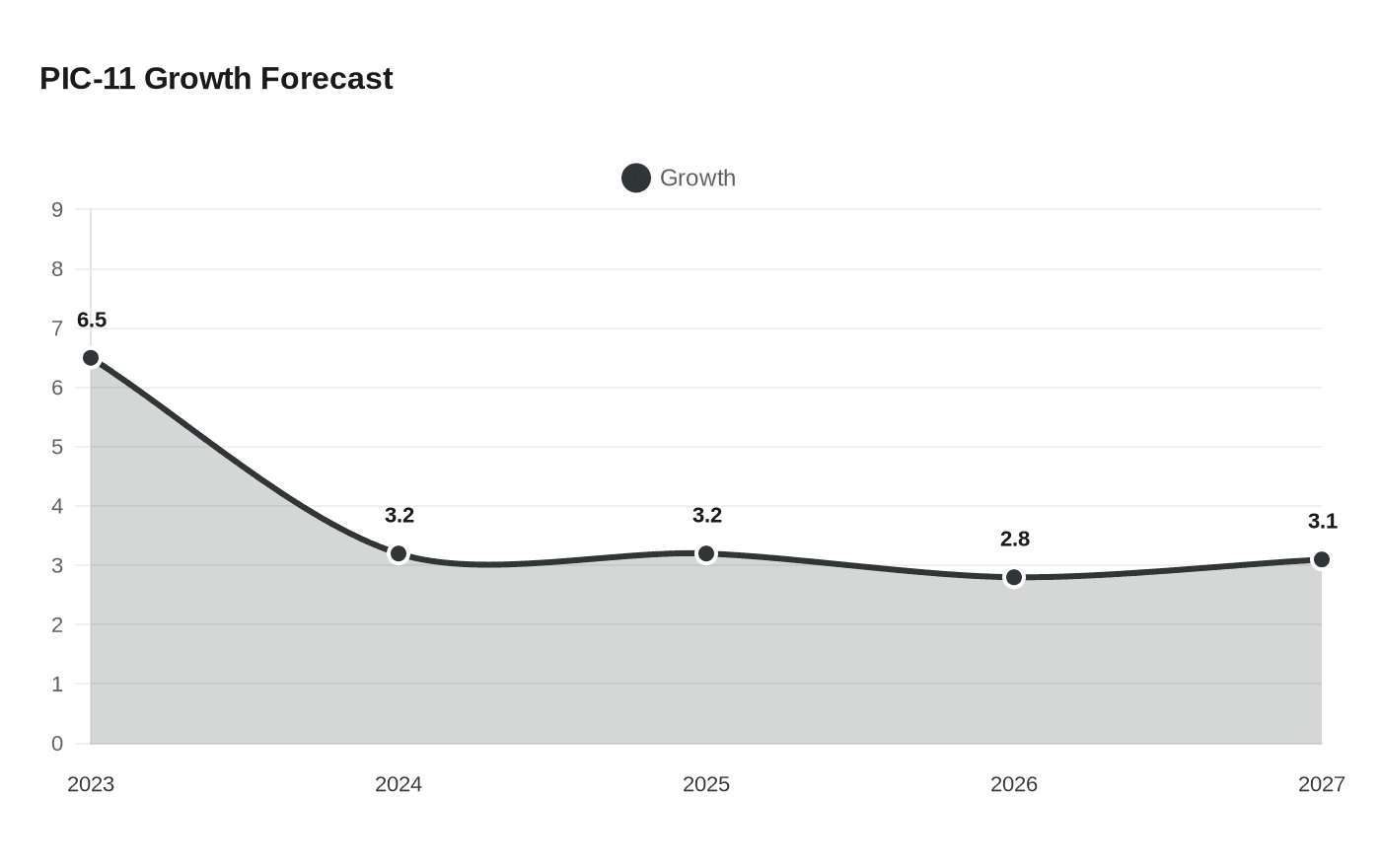
The World Bank’s Pacific Economic Update, released on May 12, projected growth across the PIC-11 at 2.8% in 2026, down from 3.2% in 2024 and 2025, with only a slight pickup to 3.1% in 2027. The assessment covers Fiji, Solomon Islands, Micronesia, Kiribati, Marshall Islands, Nauru, Palau, Samoa, Tonga, Tuvalu and Vanuatu, a group whose economies are tightly bound to global fuel, freight and tourism cycles.
That vulnerability is magnified by the structure of island trade. The World Bank said oil imports account for around 15% to 25% of merchandise imports in many Pacific countries, making the region highly exposed to energy shocks. It warned that disruptions in fuel and shipping markets are likely to slow growth further over the next six to nine months, as imported transport and power costs feed directly into household budgets, business expenses and public finances.
Ekaterine Vashakmadze, a World Bank senior country economist, said the Pacific is likely to be among the regions most affected even though it is not directly in the conflict zone, pointing to spillovers from tensions in the Middle East that have pushed up imported fuel, freight and insurance costs. The bank estimated that the conflict could trim 2026 growth by about 0.2 to 0.5 percentage points under its baseline scenario, while inflation in the region is expected to rise again to a median 4.5% in 2026 from 3.4% in 2025.
The broader backdrop is one of slower trend growth and lingering debt pressure. The World Bank said repeated external shocks are becoming the Pacific’s new normal, and that average growth across Pacific economies is projected to remain around 2% this decade, below the pace of the 2010s. It also said growth in the PIC-11 slowed from 6.5% in 2023 to 3.2% in 2024 and 2025, while five Pacific countries remained at high risk of debt distress in its June 2025 update.
The bank argued that the region still has a narrow window to shift from crisis response toward a jobs-first growth model built on water, energy, transport, digital connectivity and skills. It said tourism, agribusiness, fisheries, health and care services, resilient infrastructure and digitally delivered services have the strongest potential to create jobs at scale. Stephen N. Ndegwa of the World Bank Group said the current growth model is no longer creating enough opportunities for the region’s growing and increasingly young populations, making more and better jobs, especially for women and youth, a central economic test for the years ahead.
This article was produced by Prism’s automated news system from verified source data, official records, and press releases, then run through automated quality and moderation checks before publishing. The system is built and supervised by the people who set the standards it runs under. Read our full AI policy.
Did this article answer your question?

%3Amax_bytes(150000)%3Astrip_icc()%2FCertificate-of-deposit-2301f2164ceb4e91b100cb92aa6f868a.jpg&w=1920&q=75)
