Germany blames Russia, support for Ukraine in UN Security Council loss
Germany fell short in a secret-ballot UN vote, and Johann Wadephul said backlash over Ukraine and Israel may have helped drive the loss.
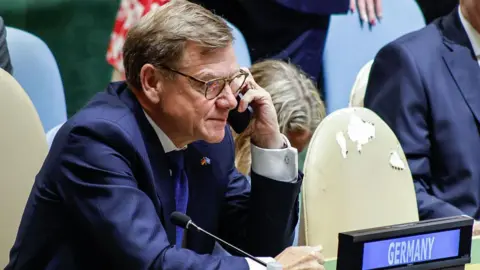
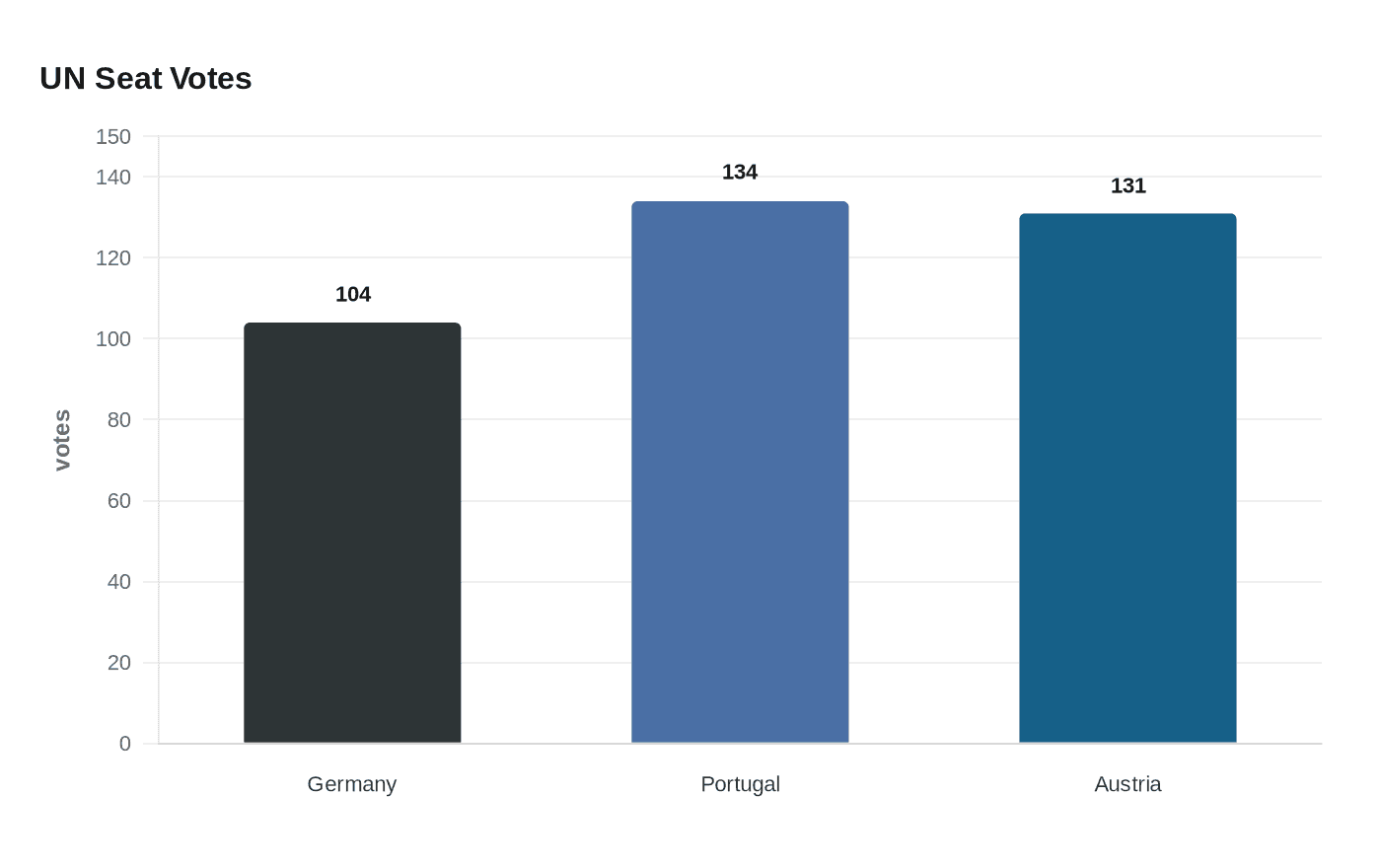
Germany’s campaign for a seat on the UN Security Council collapsed in New York as Portugal and Austria took the two Western European and Others Group seats, leaving Berlin with 104 votes and no place on the panel.
Johann Wadephul said it was “no secret” that Russia had stirred up sentiment against Germany over its support for Ukraine. He also said Germany’s firm backing for Kyiv, along with its special responsibility toward Israel in the Middle East conflict, may have cost it votes. Wadephul added that Germany’s late entry into the race may have weakened the bid further.
The result was a sharp setback for Chancellor Friedrich Merz’s government. Portugal won 134 votes and Austria 131, comfortably ahead of Germany in the 193-member United Nations General Assembly, where candidates need a two-thirds majority in a secret ballot to secure election. The two-year terms for the newly elected non-permanent members begin on January 1, 2027.

The Security Council has 15 members in all: China, France, Russia, the United Kingdom and the United States hold permanent seats and veto power, while 10 others are elected as non-permanent members. Germany’s loss was its first failure to win one of the Western European seats after decades of regular success, a sign that support for Ukraine may now be carrying diplomatic costs beyond Europe’s battle lines.
Kyrgyzstan, Trinidad and Tobago and Zimbabwe were also elected in the same vote, underscoring how wide the competition was across regional groups. Because the ballot is secret, the numbers do not identify which countries shifted away from Germany, but the margin over Portugal and Austria shows that Berlin was not just edged out. It was outpaced decisively by rivals that secured the Western European bloc’s two available seats.
This article was produced by Prism’s automated news system from verified source data, official records, and press releases, then run through automated quality and moderation checks before publishing. The system is built and supervised by the people who set the standards it runs under. Read our full AI policy.
Know something we missed? Have a correction or additional information?
Submit a Tip