Germany Pledges 500 Million Euros to Brazil Climate Fund
Germany routed 500 million euros through Brazil’s BNDES, betting climate money can move faster through a Southern institution and finance projects on the ground.
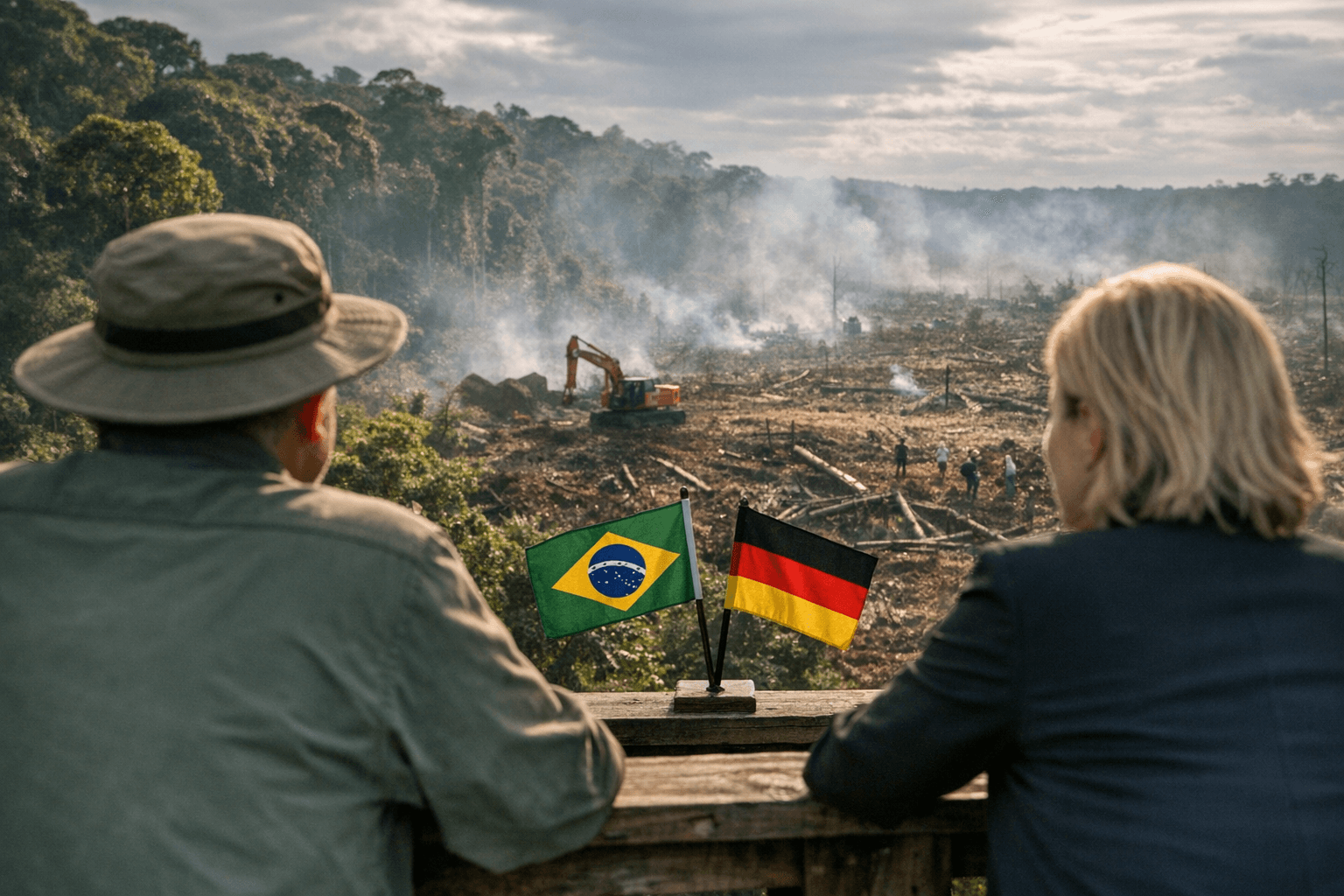
Germany committed 500 million euros, about $588.30 million, to a climate fund managed by Brazil’s state development bank BNDES, a move that puts a Brazilian institution at the center of one of the year’s most consequential climate-finance pledges. The announcement carried a second signal as well: Germany is also set to contribute around 700 million euros to climate-change and sustainable-mobility projects in Brazil, widening the deal beyond a single fund into a broader bilateral package.
The fund is not a new vehicle. BNDES created the Fundo Clima in 2009, and the bank says it is meant to support electrification of urban transport, biofuel production, reforestation and green industry. In practical terms, the German money is meant to help pay for studies and finance projects that reduce emissions and build the infrastructure Brazil wants to scale. That makes the pledge more than a diplomatic gesture. It is a test of whether climate-finance commitments from the Global North can be routed through a Southern development bank and still deliver measurable results on the ground.
Brazilian President Luiz Inacio Lula da Silva framed the agreement as part of a wider energy relationship rather than a one-off donation. He said Brazil was willing to discuss alternative energy sources with Germany and described himself as an “unwavering advocate of biofuels.” Lula also said Germany could benefit from Brazil’s renewable-energy expertise and said officials from both countries would work to carry out the decisions announced on Monday.
The scale of BNDES activity shows why the fund matters. The bank said it approved 19 billion reais in credit for climate projects between 2023 and 2025, far above the 1.6 billion reais approved between 2019 and 2022. That surge suggests Brazil is building a larger financing architecture around climate policy, with BNDES serving as the channel for capital, pilot projects and industrial transition work.
The pledge also fits Germany’s broader climate-finance posture. Germany’s environment and development ministries said the country provided 11.8 billion euros in international climate finance in 2024, its highest level to date. In November 2025, Brazil’s finance ministry, BNDES and the Green Climate Fund also announced plans for a catalytic climate fund expected to launch in 2026, underscoring how Brazil is trying to assemble a deeper pool of climate capital ahead of future negotiations.
For both governments, the political message was clear: climate finance is still a live currency in international diplomacy, but its credibility will rest on whether the money moves quickly, reaches viable projects and produces visible change in transport, land use and industry.
This article was produced by Prism’s automated news system from verified source data, official records, and press releases, then run through automated quality and moderation checks before publishing. The system is built and supervised by the people who set the standards it runs under. Read our full AI policy.
Did this article answer your question?


