Iran privately plans second U.S. talks, publicly denies date amid tensions
Tehran is denying a date for a second U.S. meeting even as it quietly prepares to attend, a split that could decide whether the talks are real or theater.
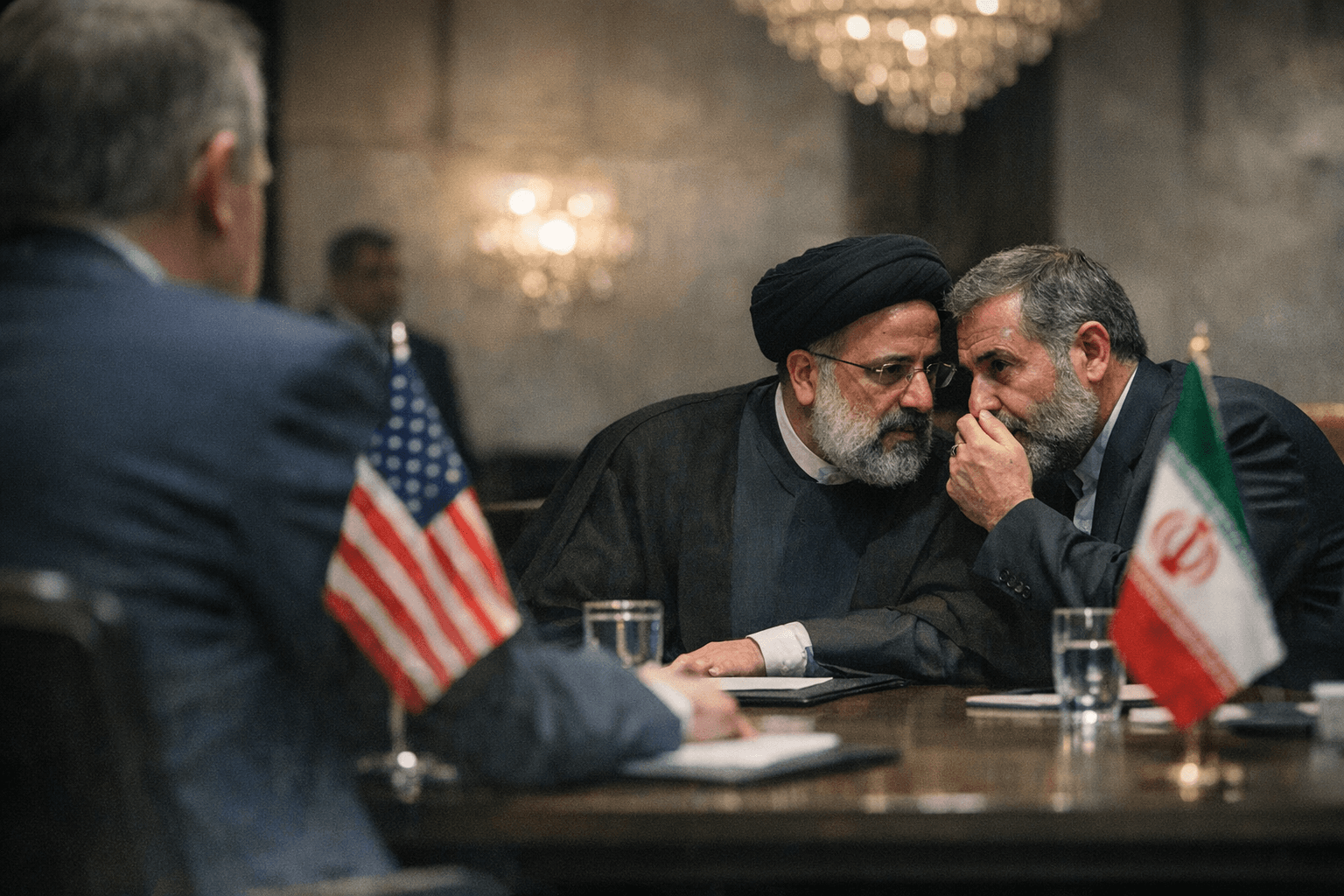
Tehran is telling the world that no second round of talks with the United States is set, while privately signaling that it is preparing to attend. That split has turned the next phase of diplomacy into a test of whether Iran wants a bargaining channel or simply room to manage its hard-liners at home.
The first round of high-level U.S.-Iran talks took place in Islamabad on April 11 and 12 and ended without an agreement. Since then, Iran’s deputy foreign minister has said no date has been set for the next round and that a framework of understanding must be agreed before any return to the table. Publicly, that keeps Tehran in a posture of defiance. Privately, officials are said to be making plans to go.
The stakes are higher because the meetings are happening under a fragile ceasefire window that is close to expiring. Washington has been preparing for another round in Pakistan, with Vice President JD Vance expected to lead the U.S. delegation and reports saying special envoy Steve Witkoff and Jared Kushner could also be involved. Pakistan has been making preparations to host the talks in Islamabad, putting the city back at the center of the most significant direct U.S.-Iran engagement in decades.
For Iran, the mixed message serves two audiences at once. Hard-line constituencies at home are being told that the government is not conceding to American pressure, especially as Donald Trump issues fresh threats while also signaling that talks could continue. Negotiators abroad, meanwhile, are seeing enough movement to keep planning for a second round. That tension is the point: Tehran can reject the optics of submission while still keeping the diplomatic channel open.
The signals that will show whether this is theater or a genuine track are already visible. Attendance will matter first. If Vance, Witkoff and Kushner travel to Islamabad, that would show Washington is treating the process as a serious political mission, not a symbolic meeting. The agenda will matter next, especially whether the sides can settle a framework before discussing broader issues. Intermediaries will matter too, because Iran’s public hesitation suggests it still wants room to preserve deniability. And sanctions talk, along with the military pressure Tehran cites, will be the clearest test of whether the talks are built for substance or merely for pause.
Iran has pointed to U.S. military pressure, including the seizure of an Iranian cargo ship near the Strait of Hormuz, as a reason for caution. That grievance, along with Trump’s threats, has made the diplomacy more brittle. If the parties do meet again in Islamabad, the real question will not be whether they sat down, but whether they arrived with an actual framework or only enough ambiguity to keep the window open a little longer.
This article was produced by Prism’s automated news system from verified source data, official records, and press releases, then run through automated quality and moderation checks before publishing. The system is built and supervised by the people who set the standards it runs under. Read our full AI policy.
Did this article answer your question?