US presses Iran talks in Pakistan as ceasefire hangs in balance
The Hormuz blockade has frozen Persian Gulf shipping and put Pakistan's ceasefire talks at risk as Washington keeps pressure on Tehran.
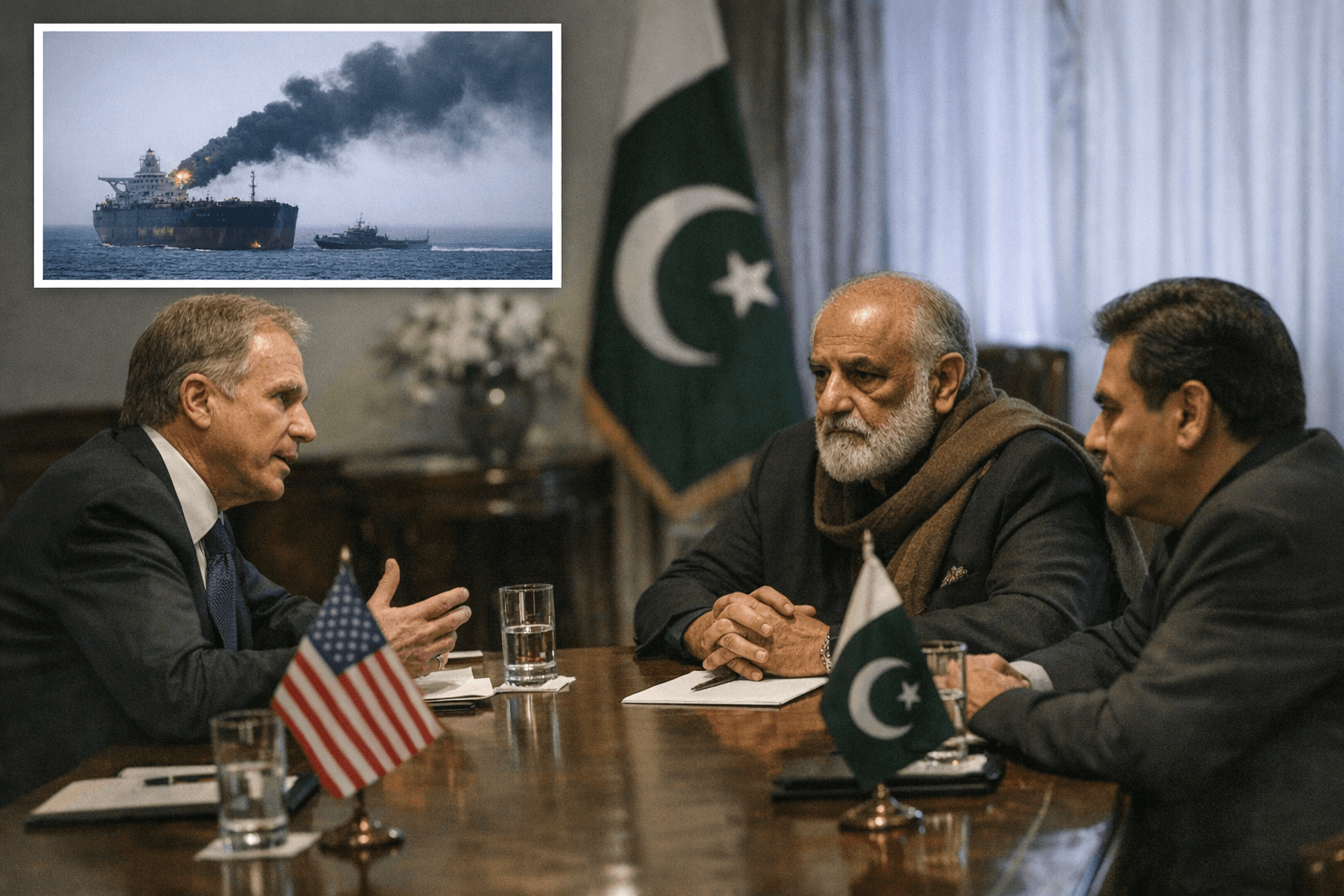
The fight over Iran’s return to talks in Islamabad has turned into a test of whether Donald Trump is using the Strait of Hormuz blockade as coercive leverage, or pushing the ceasefire toward a wider economic shock that could ripple through oil markets and international shipping. Pakistan is trying to keep the negotiations alive, but the stakes now reach far beyond the borderland diplomacy that began after fighting broke out on February 28, 2026.
Pakistan hosted the first round of U.S.-Iran talks in Islamabad on April 11 and 12, with Vice President JD Vance leading the American delegation alongside special envoy Steve Witkoff and Jared Kushner. The talks lasted 21 hours and ended without agreement. Uranium enrichment and the status of the Strait of Hormuz were central issues, and the next round is now in doubt as Iranian officials weigh whether to return.
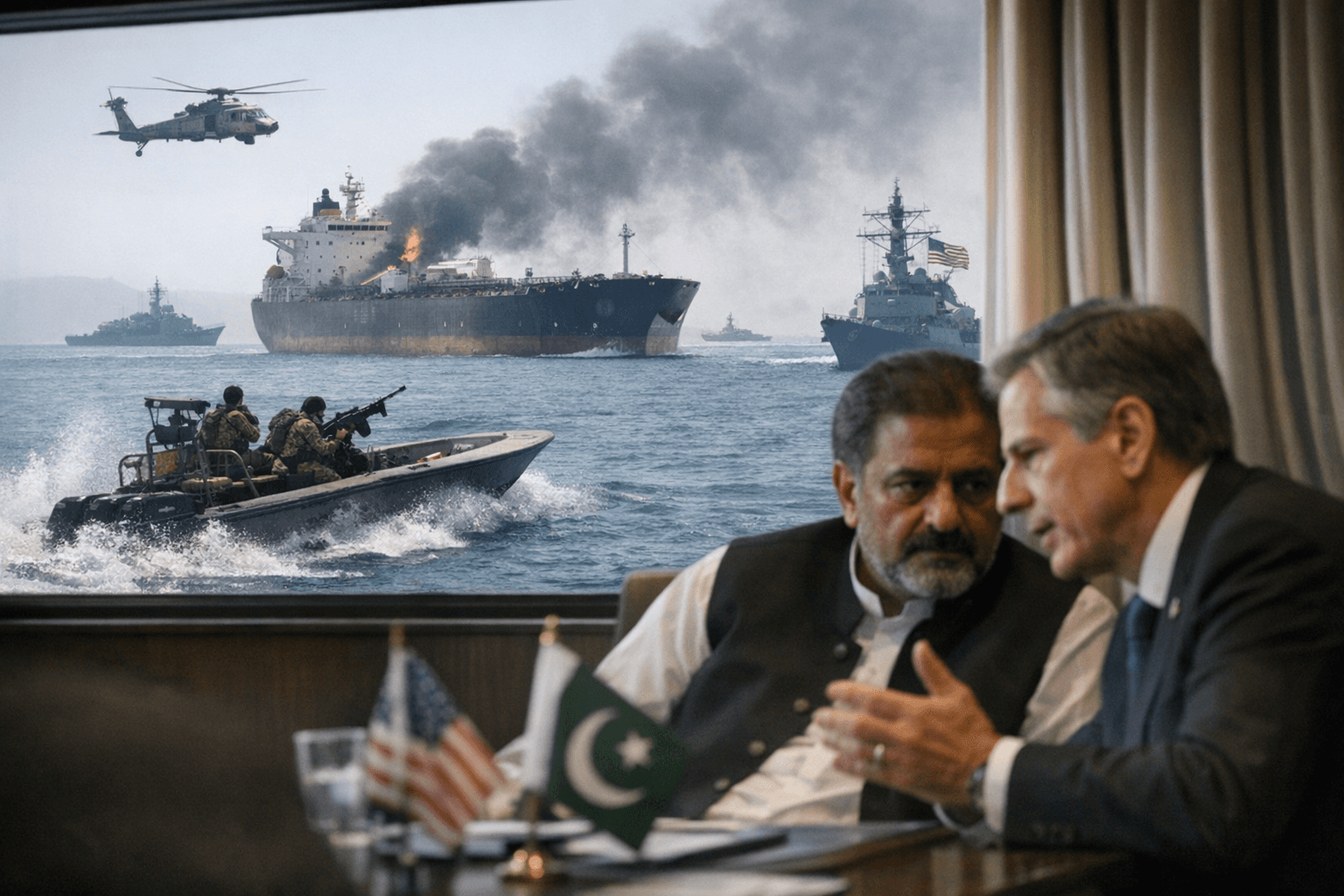
The White House has said the U.S. blockade of Iranian ports and shipping will stay in force until a deal is reached. Iranian officials say the blockade violates the ceasefire and international law. Esmaeil Baghaei, the spokesman for Iran’s foreign ministry, said Tehran has no plans to send negotiators back to Islamabad for now, citing the blockade and the seizure of an Iranian cargo ship as breaches of the truce. Iran has also warned that the U.S. actions could prompt retaliation, raising the risk that the ceasefire could collapse before the next diplomatic push.
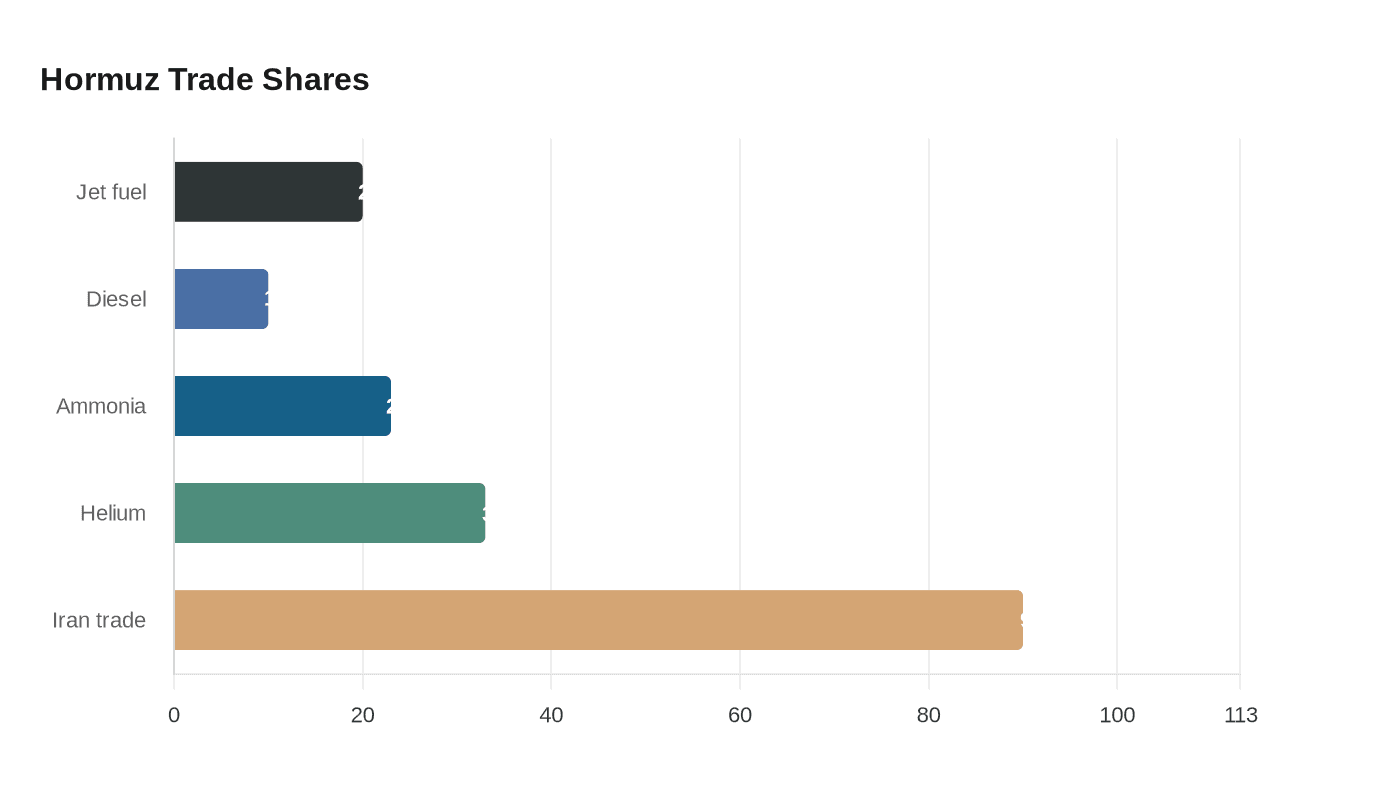
The economic pressure is severe. WTO-linked tracker data showed outbound traffic from the Persian Gulf falling to almost zero after Iran announced the closure of the Strait of Hormuz on March 2, 2026. The Gulf moves about 20% of global seaborne jet fuel, 10% of seaborne diesel, 23% of ammonia demand and 33% of helium production, according to Atlantic Council analysis. Reuters-linked estimates cited by CNBC said more than 90% of Iran’s annual seaborne trade goes through the strait, and the blockade is costing Iran about $435 million a day in combined economic damage.
Washington said at least six merchant vessels were ordered to turn back in the first 24 hours of enforcement, while maritime-tracking firms reported only limited crossings by sanctioned or high-risk vessels. Pakistan has been pressing for a multi-day format and a memorandum of understanding that could extend the ceasefire by as much as 60 days. For now, the negotiations hinge on whether pressure in Hormuz can force a deal, or whether the blockade itself becomes the trigger for the next escalation.
This article was produced by Prism’s automated news system from verified source data, official records, and press releases, then run through automated quality and moderation checks before publishing. The system is built and supervised by the people who set the standards it runs under. Read our full AI policy.
Did this article answer your question?


