Trump’s Iran comments shift hourly, sowing confusion over uranium and shipping
Trump said Iran had “agreed to everything,” then reversed himself on uranium and shipping as crude fell nearly $10 a barrel and Tehran pushed back.
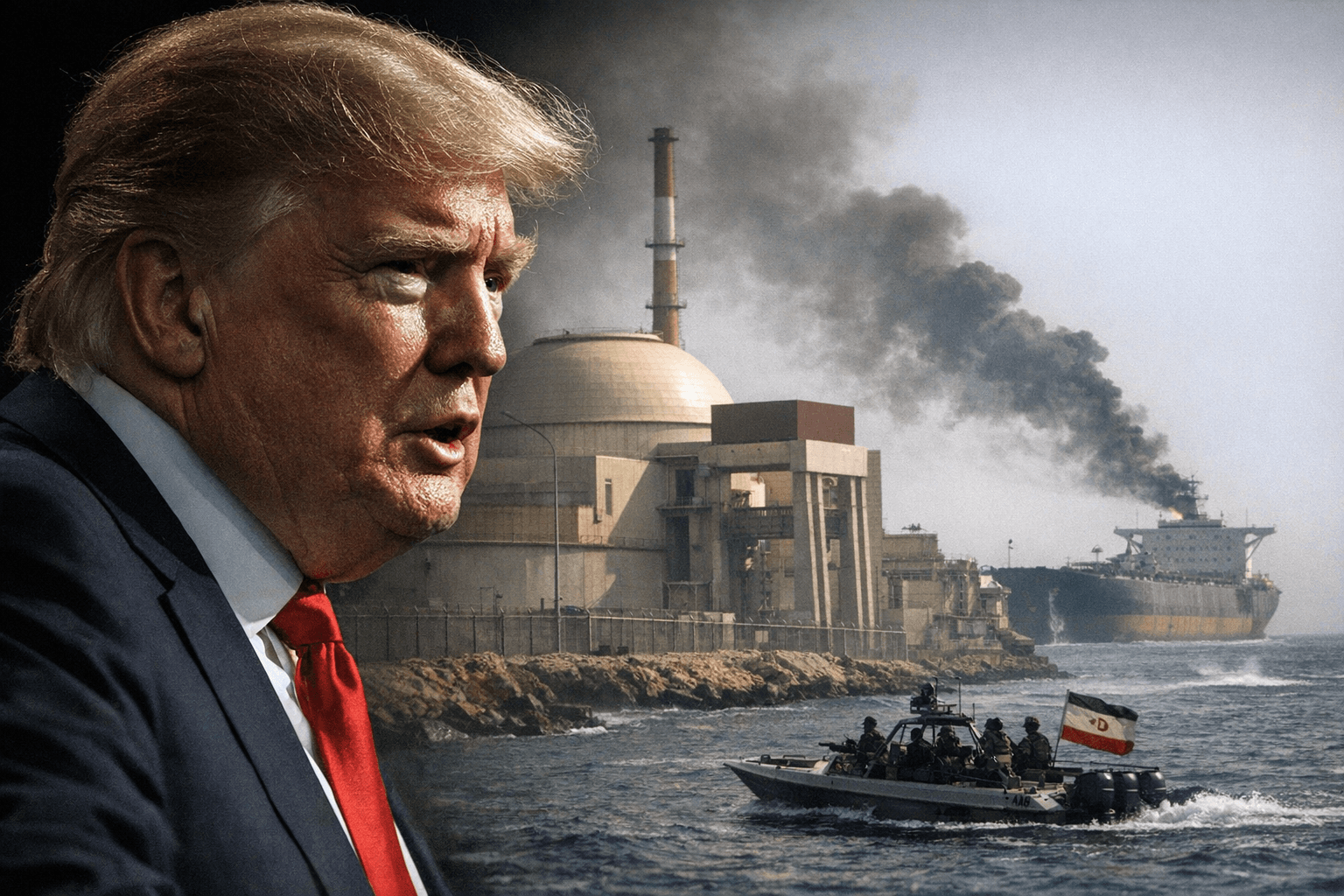
Trump’s shifting claims on Iran’s uranium and the Strait of Hormuz have turned a ceasefire into a moving target for allies, traders and negotiators. Since the ceasefire announced April 8, 2026, the White House message has changed so often that even the basic terms of a deal have become difficult to pin down.
On April 17, Trump told CBS News that Iran had “agreed to everything,” including working with the United States to remove its enriched uranium and cut support for proxy groups such as Hezbollah and Hamas. Iranian officials quickly rejected that account. Esmaeil Baqei, the Iranian Foreign Ministry spokesperson, said Iran’s enriched uranium would not be transferred anywhere, and Iranian leaders publicly denied Trump’s version of events.
The confusion extended to the sea lanes that carry the region’s oil. Trump said the Strait of Hormuz was “completely open” and “ready for business,” even as he insisted a U.S. naval blockade on Iranian shipping would stay in place until a deal was 100% complete. He also said the United States would “get all nuclear dust” out of Iran. The Strait of Hormuz handles roughly 20% of global oil supply, and the market reacted fast: U.S. crude fell nearly $10 a barrel to about $81.50 after Trump’s comments.
The diplomatic process has moved just as erratically. Trump said a U.S. delegation led by Vice President JD Vance was headed to Islamabad for talks, but White House officials later said the team had not yet departed. Earlier U.S.-Iran negotiations in Pakistan ended after more than 20 hours without agreement, with Vance saying Iran had “chosen not to accept our terms.” Iran then said it had no plans to return to peace talks, before later reports suggested Tehran was reconsidering.
The broader pattern is not new. On March 2, ABC News reported that Trump and senior officials were already sending “confusing or contradictory” signals about the war in Iran, including the rationale for military action, whether the threat was imminent, how long the war would last and whether regime change was the goal. Trump at one point said Iran posed an imminent threat, while Marco Rubio later said the concern was a possible retaliatory strike if Israel attacked first.
The core dispute remains uranium. The Institute for the Study of War said Iran’s enrichment program and stockpile of highly enriched uranium are the main sticking points in the talks, and that Tehran appears to be using leverage over the Strait of Hormuz to press for concessions. Iran’s Parliament Speaker Mohammad Bagher Ghalibaf publicly rejected Trump’s claims, and the IRGC later said the strait was again heavily restricted and under “strict management,” underscoring how quickly the situation can change and how little clarity remains about any eventual deal.
This article was produced by Prism’s automated news system from verified source data, official records, and press releases, then run through automated quality and moderation checks before publishing. The system is built and supervised by the people who set the standards it runs under. Read our full AI policy.
Did this article answer your question?