Iran sends mixed signals on US talks after ship seizure sparks tensions
Iran is weighing U.S. talks in Pakistan even as it denounces ceasefire breaches and reacts to a U.S. ship seizure that jolted oil markets.
Iran signaled it was still weighing whether to attend peace talks with the United States in Pakistan, but the message from Tehran remained fractured. Abbas Araqchi told Ishaq Dar that continued U.S. ceasefire violations were a major obstacle, while a senior Iranian official said Tehran was “positively reviewing” participation. Hours later, Esmaeil Baqaei said there was “no plan” for a second round of negotiations for now.
That uncertainty landed as the two-week ceasefire, which began on April 7, was set to expire on Tuesday, April 21. The conflict has killed thousands and already rattled global energy markets, making every statement from Tehran, Washington and Islamabad carry more weight than the formal diplomacy itself.
Pakistan was preparing to host another round of talks in Islamabad and was making efforts to secure Iran’s participation. Security had been tightened around the capital, with road restrictions and heavy police presence around the Serena Hotel, where earlier U.S.-Iran talks on April 11 took place under intense protection. That earlier American delegation included JD Vance, Steve Witkoff and Jared Kushner.
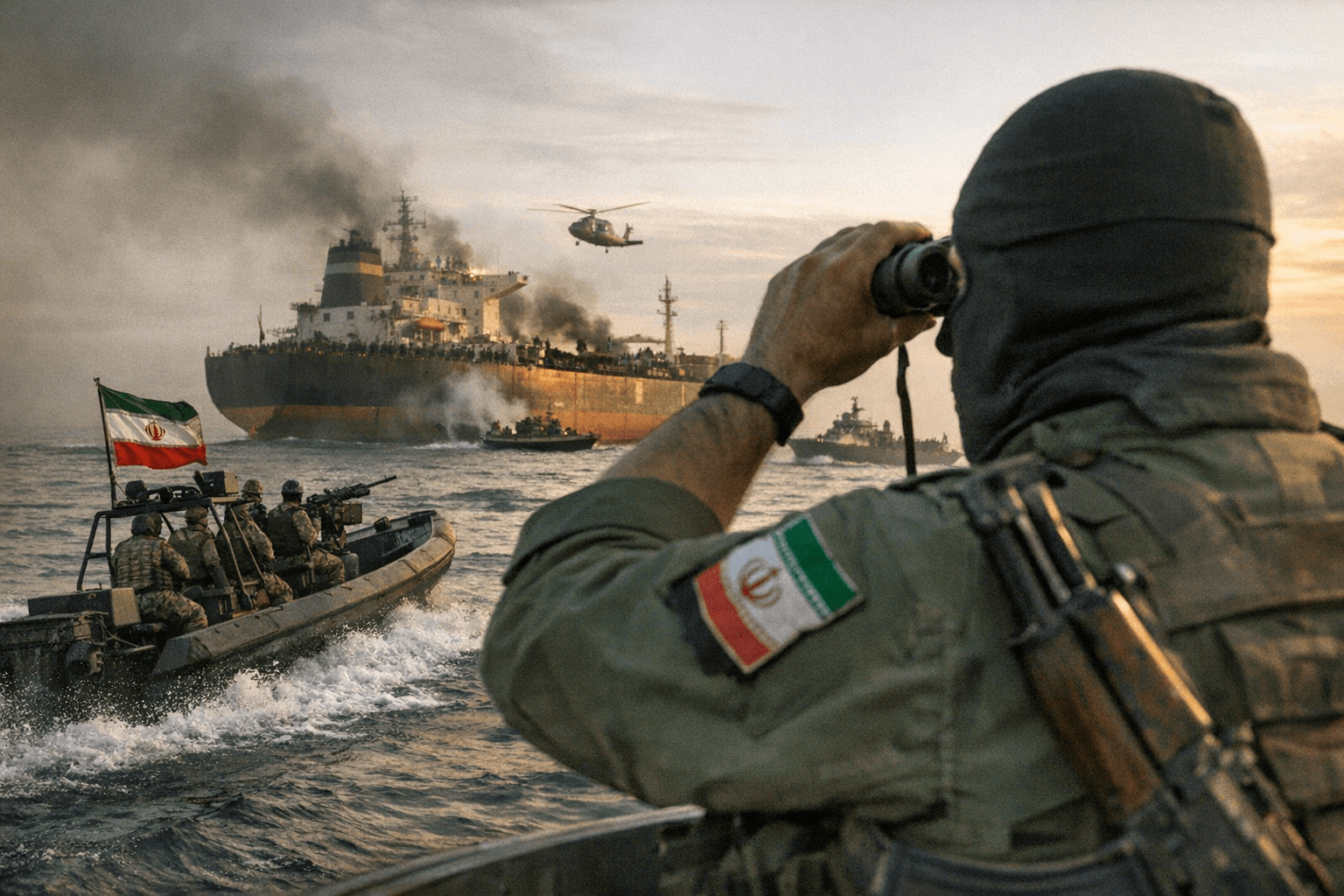
The diplomatic process was jolted further after the United States seized an Iranian-flagged cargo ship in the Gulf of Oman near the Strait of Hormuz. Donald Trump said the vessel tried to run the blockade and that U.S. forces blew a hole in its engine room. Iran’s military vowed retaliation, turning a maritime confrontation into a direct test of the ceasefire’s durability.
The stakes are unusually high because the Strait of Hormuz handled roughly one-fifth of the world’s oil supply before the war began. Shipping traffic in the Gulf stalled again after vessels came under fire mid-passage, and the market reaction was immediate. West Texas Intermediate crude jumped more than 6% to about $89 a barrel, while Brent rose 5.6% to around $95.50, a reminder that leverage in this conflict is being measured not only in missiles and rhetoric, but in tankers, transit lanes and price spikes.
Trump said he believed his administration could strike a better deal than the 2015 nuclear agreement negotiated under Barack Obama, an accord he withdrew from in 2018 despite opposition from congressional Republicans and Benjamin Netanyahu. But the gap between public signaling and real leverage remains wide. Iran is talking about talks while accusing Washington of violating the ceasefire, and the ship seizure has only made that contradiction harder to ignore.
This article was produced by Prism’s automated news system from verified source data, official records, and press releases, then run through automated quality and moderation checks before publishing. The system is built and supervised by the people who set the standards it runs under. Read our full AI policy.
Did this article answer your question?