Germany sharpens criticism of Israel as Gaza war strains alliance
Berlin is openly tightening its language on Israel, with Merz questioning Gaza’s aims and warning on West Bank annexation as public support for arms exports erodes.
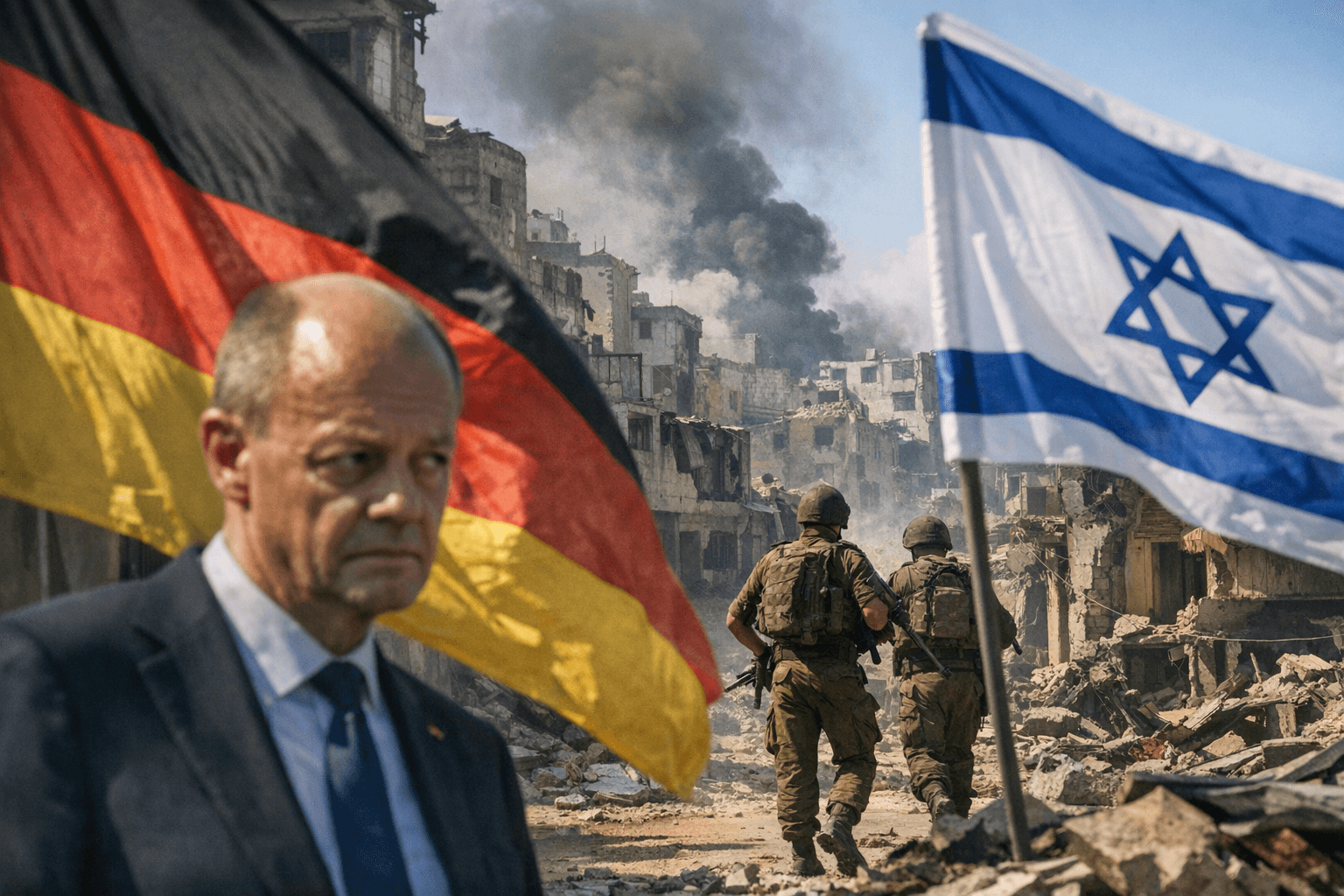
Germany’s political language on Israel has shifted sharply enough to expose strain inside one of Jerusalem’s most important Western relationships. Chancellor Friedrich Merz said in May 2025 that he no longer understood Israel’s objective in Gaza and called the scale of the campaign “no longer comprehensible,” while urging Israel to allow humanitarian aid and food into the enclave.
That criticism carries unusual weight in Berlin. German policy toward Israel has long been framed by Staatsräson, the post-Holocaust sense of special responsibility that made support for Israel a defining feature of the federal republic’s foreign policy. After Hamas attacked Israel on Oct. 7, 2023, German statements routinely began by stressing Israel’s right to defend itself. The recent shift suggests that the political cost of backing the Gaza war is rising, not only in Berlin but across Europe.
Foreign Minister Johann Wadephul has reinforced that turn with tougher warnings, saying Germany would not export weapons used to violate humanitarian law. The message matters far beyond rhetoric. Germany is one of Israel’s most important suppliers and a central voice in European debates over military support, humanitarian pressure and sanctions language. If Berlin hardens further, the European Union could find it easier to push a more critical line on Gaza and the West Bank, especially as other capitals watch Germany for cover.
The strain has already spilled into open diplomatic friction. On March 23, 2026, Germany stood behind its ambassador to Israel, Steffen Seibert, after Israeli Foreign Minister Gideon Saar criticized him over a social-media post on settler violence. In April 2026, Merz then warned against what he called the “de facto annexation” of the West Bank, drawing a sharp response from Israeli Finance Minister Bezalel Smotrich.
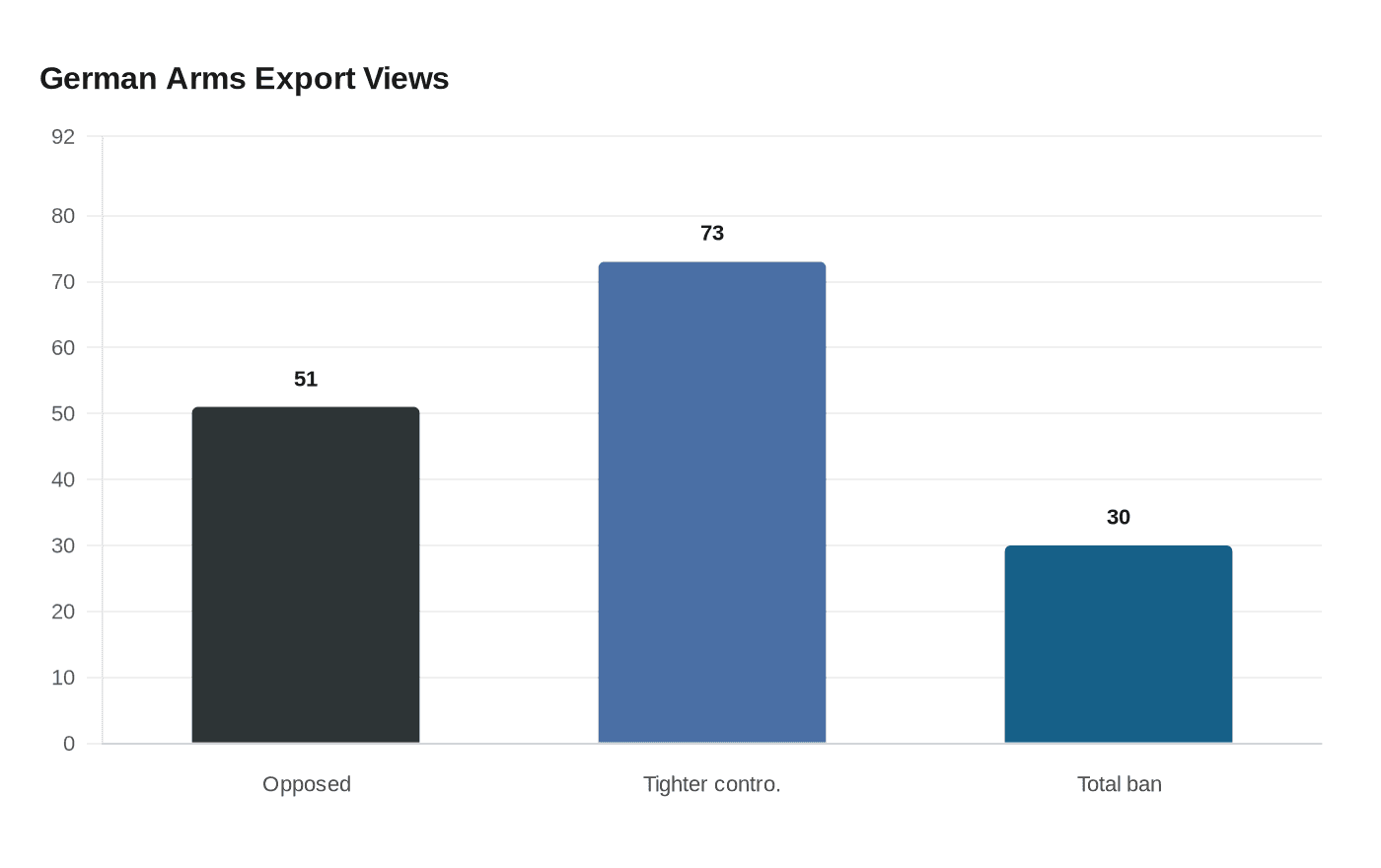
Public opinion in Germany has moved in the same direction. A 2025 Civey poll found 51% of respondents opposed weapons exports to Israel. A June 2025 Reuters poll found 73% of Germans wanted tighter controls on arms exports, including 30% who favored a total ban. Those numbers help explain why Berlin’s tone is changing: support for Israel remains strong in principle, but patience with the Gaza campaign, settlement expansion and arms deliveries is thinning fast.
For Israel, the significance goes beyond one bilateral dispute. When Germany, the country whose postwar identity is tied so closely to Israel’s security, starts speaking this way in public, it signals a broader erosion of Western political cover.
This article was produced by Prism’s automated news system from verified source data, official records, and press releases, then run through automated quality and moderation checks before publishing. The system is built and supervised by the people who set the standards it runs under. Read our full AI policy.
Did this article answer your question?


