NATO Scrambles Jets to Intercept Russian Bombers Over Baltic Sea
Russian Tu-22M3 bombers and escort fighters triggered a NATO scramble over the Baltic, testing air defenses from Lithuania to Denmark.

NATO fighters were scrambled from Šiauliai Air Base in Lithuania as two Russian Tu-22M3 strategic bombers and about 10 escort fighters pushed across the Baltic Sea, a formation that put the alliance’s eastern air-defense network on alert. French Rafale fighters stationed in Lithuania joined aircraft from Sweden, Finland, Poland, Denmark and Romania in the response, underscoring how closely the Baltic corridor is watched.
The Russian mission, which also included Su-30 and Su-35 fighters, lasted more than four hours, according to the Russian Defense Ministry. Moscow said the flight stayed over the neutral waters of the Baltic Sea and complied with international airspace rules. NATO treated the episode differently: allied commanders said Russian military aircraft are often intercepted because they do not use transponders, do not file flight plans and do not communicate with air traffic controllers, leaving NATO jets to identify them before they can approach allied airspace.
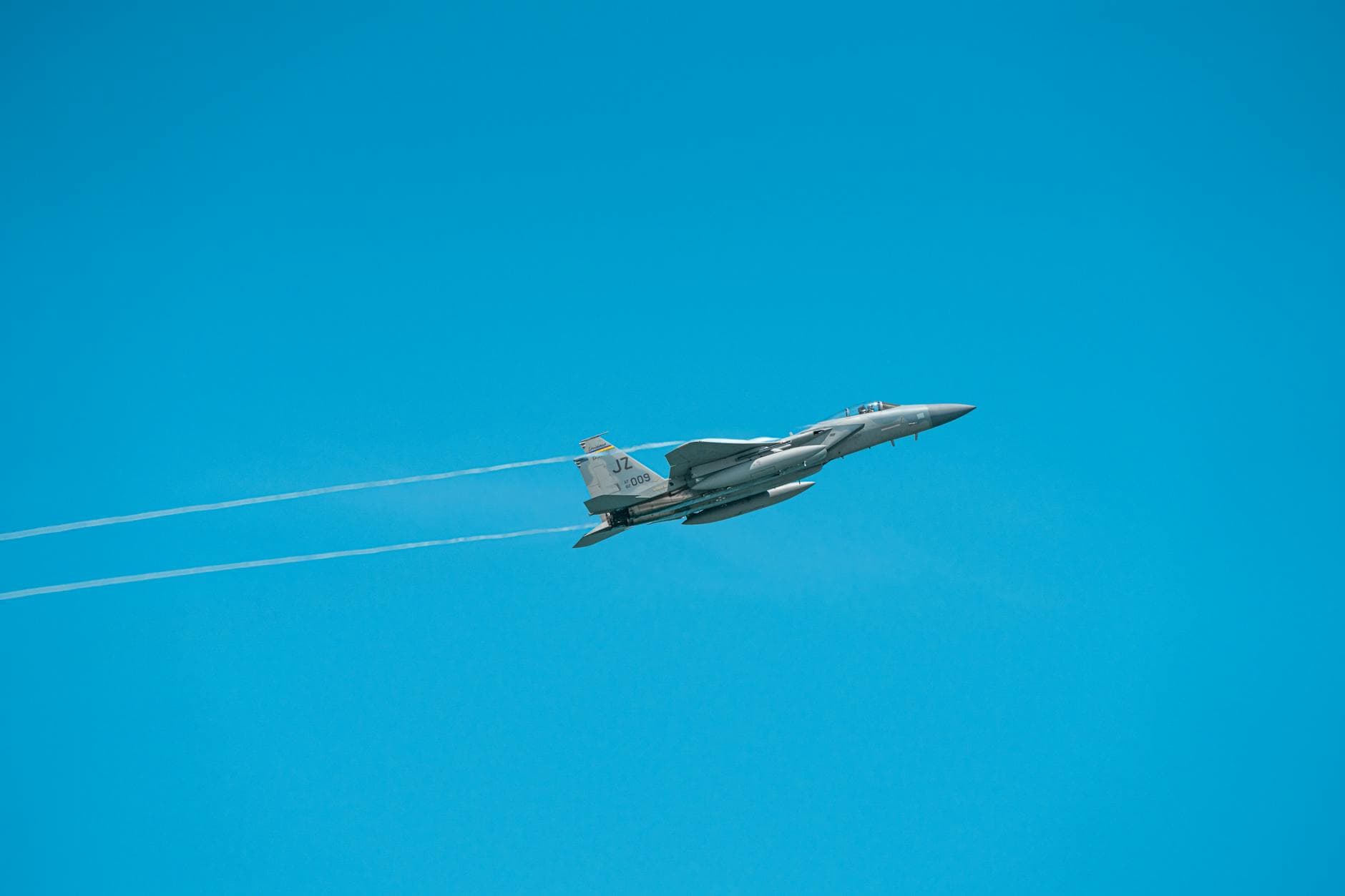
The episode fits a familiar pattern on the alliance’s northeastern edge. For Russia, such flights create a live test of NATO reaction times and coordination, while also signaling reach over a heavily militarized stretch of sea without crossing into direct confrontation. For NATO, the goal is to show that probing runs will be met quickly and professionally, without turning routine air policing into escalation. That balance has shaped the alliance’s posture around Kaliningrad and the Baltic states since Lithuania, Latvia and Estonia joined NATO in 2004.
NATO Air Policing has been a permanent peacetime mission since 1961, operating around the clock every day of the year. The mission has become especially important in the Baltic region, where NATO said its air forces intercepted Russian military aircraft well over 300 times in 2023, most of them over the Baltic Sea. The alliance has also strengthened its eastern flank in recent years, including with Eastern Sentry, launched in September 2025 in response to rising airspace violations.
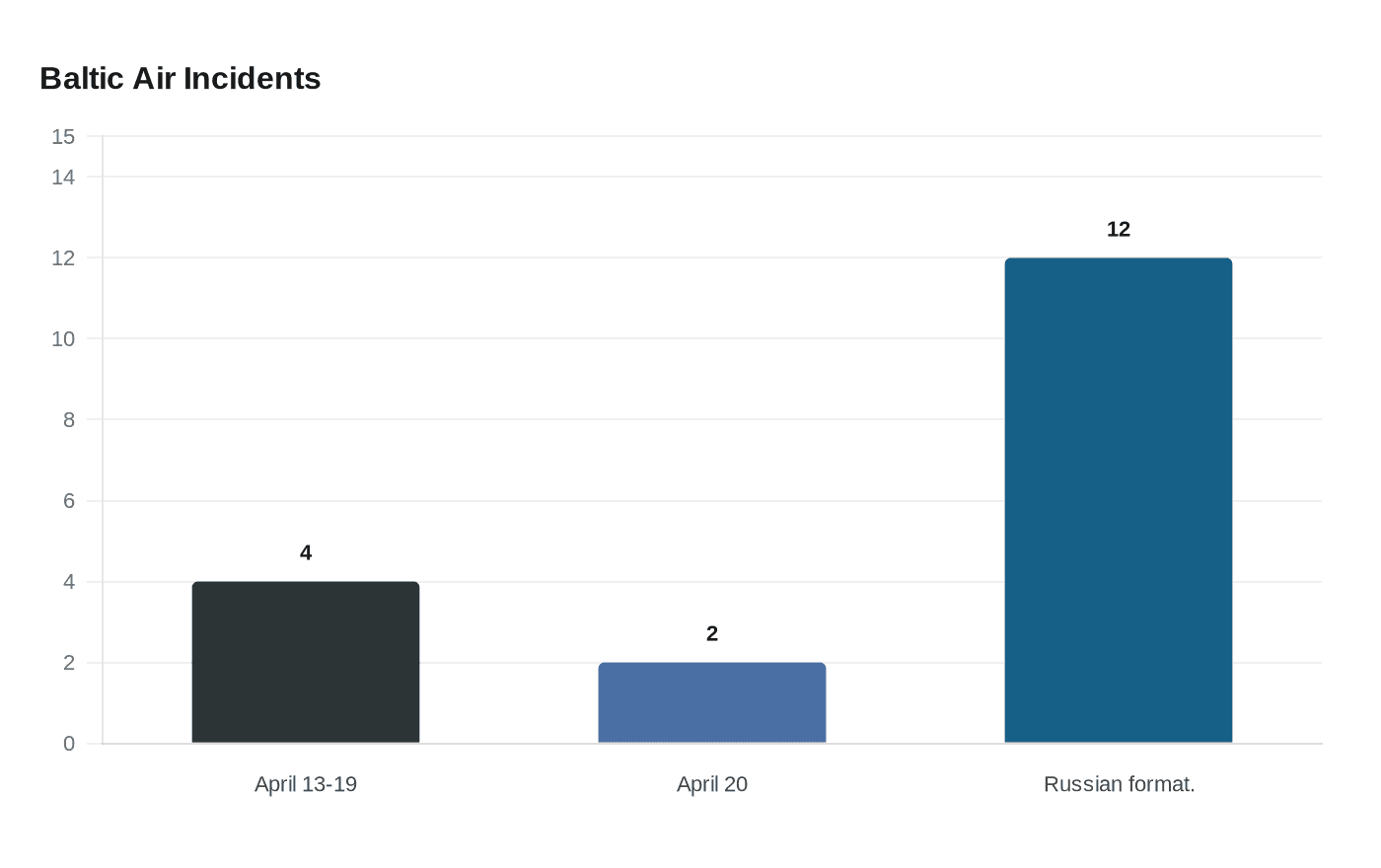
The pressure did not stop with a single intercept. Lithuania’s defense ministry said NATO jets were scrambled four times from April 13 to April 19 to intercept Russian aircraft that violated flight rules, including by turning off transponders and flying without a flight plan. Sweden said it sent up two JAS 39 Gripen fighters on April 20 to identify two Russian Tu-22M3 bombers and their escorts near Gotland, then handed tracking to Danish F-35s near Bornholm. Together, the encounters showed a layered response across the Baltic, designed to deter Moscow while keeping the confrontation short of escalation.
This article was produced by Prism’s automated news system from verified source data, official records, and press releases, then run through automated quality and moderation checks before publishing. The system is built and supervised by the people who set the standards it runs under. Read our full AI policy.
Did this article answer your question?