White House Hosts Second Round of Israel-Lebanon Peace Talks
The White House moved the Israel-Lebanon talks into sharper view as Beirut sought a one-month truce extension and Israel pushed Hezbollah disarmament.
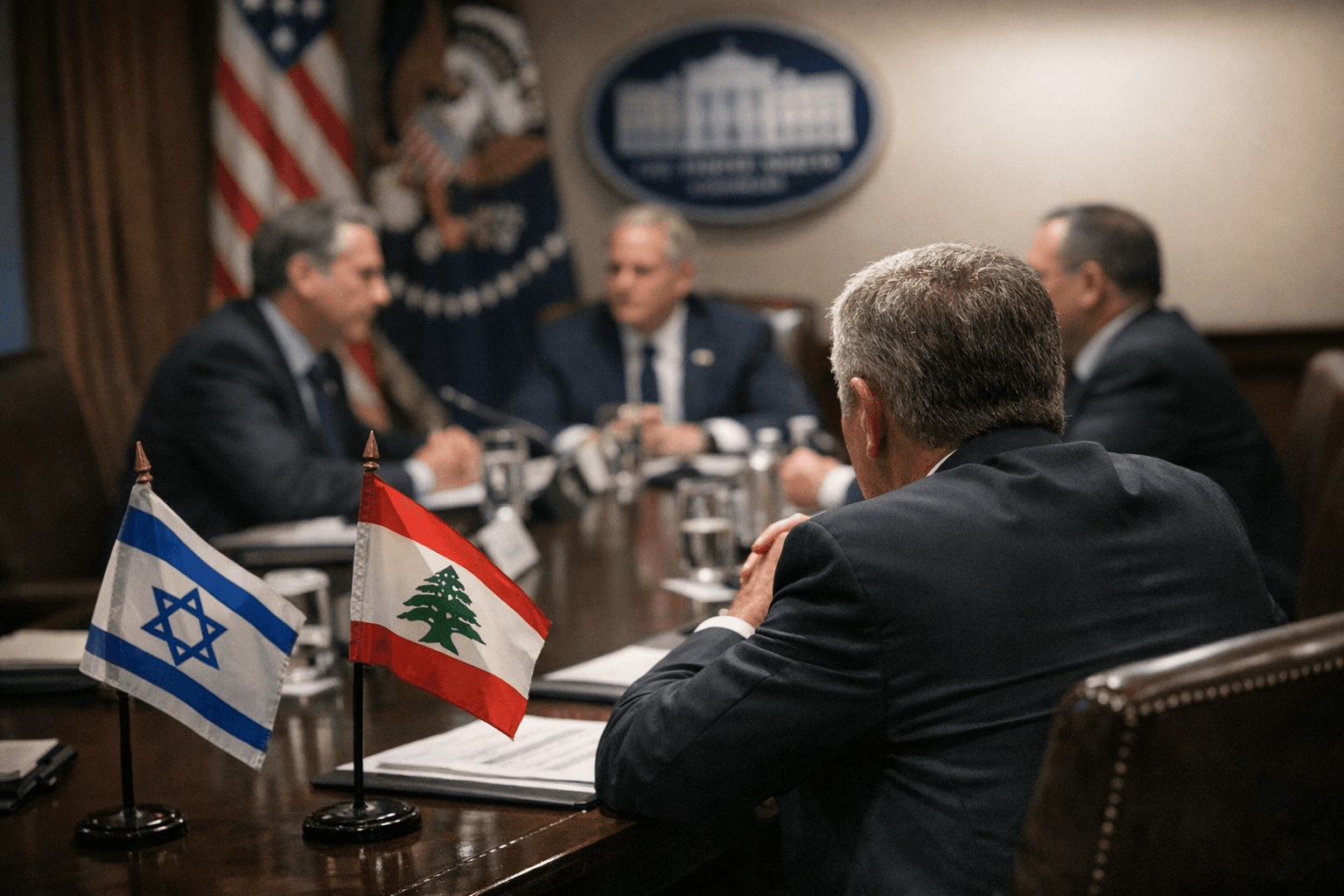
The real test in Washington was whether the second round of Israel-Lebanon talks would move beyond ceremony and into terms both sides could actually enforce. The White House shifted the meeting from the State Department as the cease-fire in Lebanon neared expiration, with Beirut seeking to extend it by at least one month and Israel pressing for a broader security arrangement that would curb Hezbollah and solidify the truce.
The talks built on the April 14 trilateral session that brought together Secretary of State Marco Rubio, Counselor Michael Needham, Israeli Ambassador Yechiel Leiter, Lebanese Ambassador Nada Hamadeh Moawad and U.S. Ambassador to Lebanon Michel Issa. That meeting was described by the State Department as the first major high-level engagement between the two governments since 1993, and it opened the door to direct negotiations under U.S. mediation. Washington has framed the process as a chance to help Lebanon restore the state’s monopoly on force, reduce Iran’s influence, unlock reconstruction assistance and attract investment.
Each side arrived with sharply different priorities. Lebanese officials said any wider deal had to begin with an extension of the cease-fire, followed by an Israeli withdrawal from areas still occupied in southern Lebanon, the return of Lebanese detainees held by Israel and formal border delineation. Israel said it had no "serious disagreements" with Lebanon, but wanted cooperation against Hezbollah, which is not taking part in the talks and has openly opposed them.

The diplomacy unfolded while the truce remained fragile. Israeli strikes in Lebanon on Wednesday killed at least five people, including journalist Amal Khalil, and wounded another journalist, Zeinab Faraj. Lebanese authorities say the war has killed at least 2,454 people and displaced about one million since fighting began. That toll gives the talks a humanitarian edge that goes beyond battlefield maps: hospitals, displaced families and damaged towns across southern Lebanon still sit at the center of the crisis.
The wider backdrop is even more volatile. The Lebanon file has been linked to broader efforts to ease the Iran-Israel confrontation, and Washington sees progress here as part of a wider regional stabilization push. But a substantive breakthrough will be judged by concrete steps, not photos in the West Wing: a durable cease-fire extension, a verifiable halt to strikes, movement on detainees, a process for pulling Israeli forces back from Lebanese territory and a serious border line that both sides can recognize. Without those, the meeting risks reading as a managed display of diplomacy against a war that is still very much unresolved.
This article was produced by Prism’s automated news system from verified source data, official records, and press releases, then run through automated quality and moderation checks before publishing. The system is built and supervised by the people who set the standards it runs under. Read our full AI policy.
Did this article answer your question?