Germany's economy grows 0.3% in Q1 as exports surge
Germany’s economy eked out 0.3% growth in Q1, but the lift came mainly from a 3.3% export jump as domestic demand stayed weak.
Germany’s economy returned to modest growth in the first quarter of 2026, but the rebound looked narrow rather than broad-based. The Federal Statistical Office in Wiesbaden said gross domestic product rose 0.3% from the previous quarter, confirming the preliminary reading released on 30 April, while annual growth reached 0.5% in price-adjusted terms and 0.4% after price and calendar adjustment.
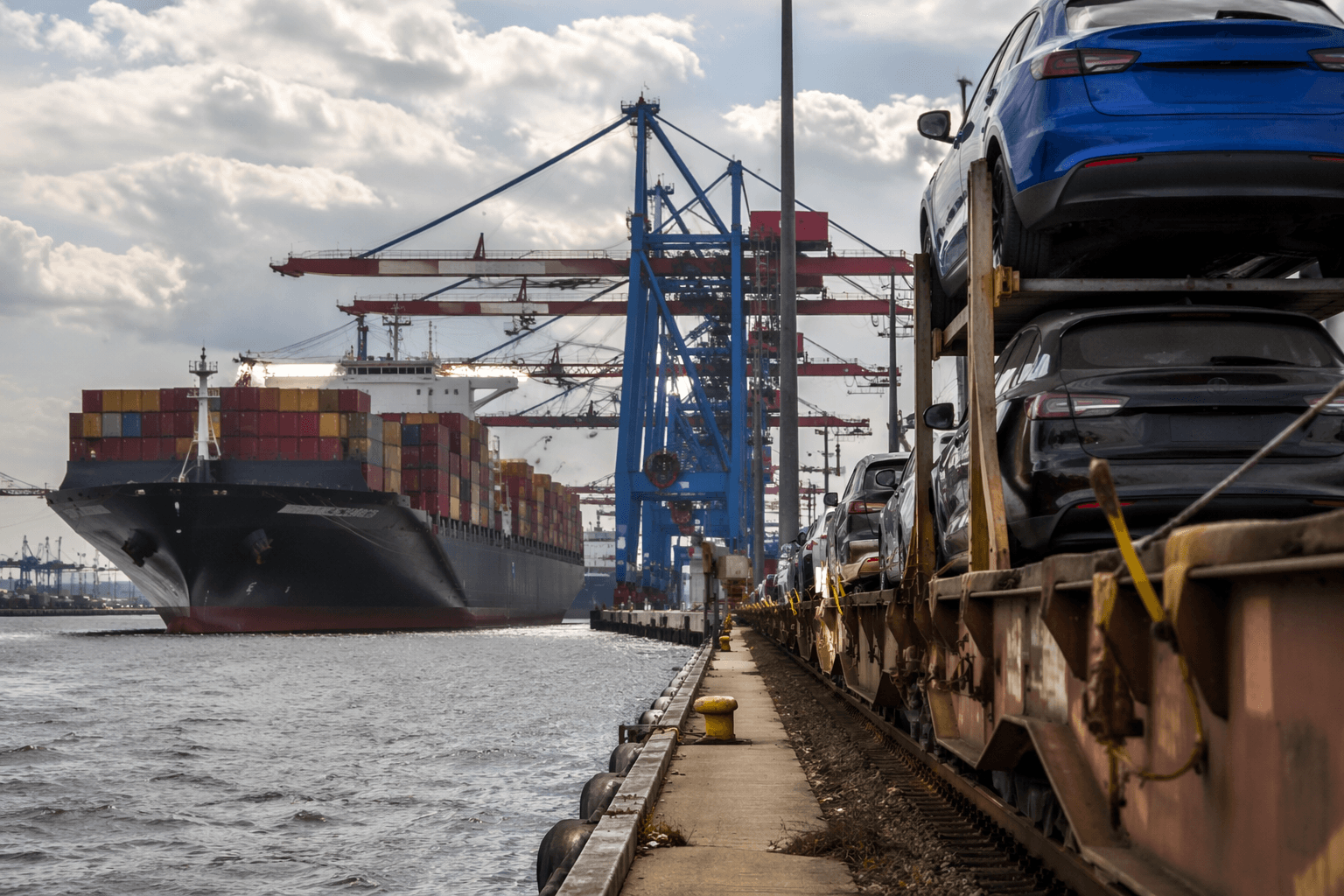
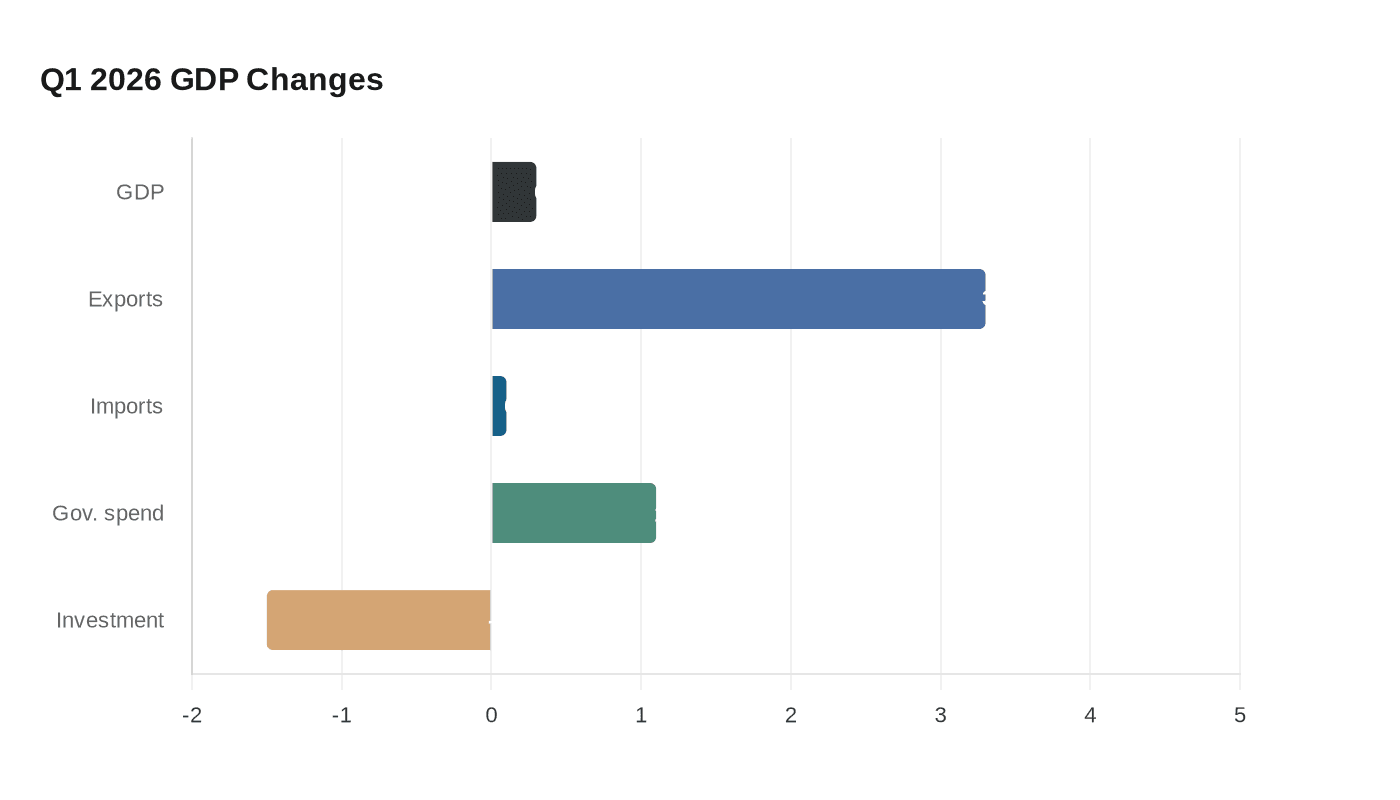
The strongest support came from trade. Total exports of goods and services climbed 3.3% after falling in the final quarter of 2025, while imports rose only 0.1%, improving the external balance. Destatis said exports of chemical and pharmaceutical products, along with metals, helped drive the gain. Government final consumption expenditure added some support, rising 1.1% in the quarter, but that was not enough to offset softer private demand.
Household spending did not exceed its fourth-quarter level, and Destatis said it was weaker than assumed in the first GDP estimate published on 30 April. Investment also fell 1.5% in the quarter. That combination points to an economy still leaning on foreign demand and public spending rather than a convincing revival at home. Final consumption expenditure overall rose 0.4%, but the details showed how uneven that improvement was.
The latest figures extend a fragile recovery for Europe’s largest economy. Germany’s GDP rose just 0.2% in 2025 after two years of recession, and fourth-quarter 2025 growth was revised down to 0.2% from 0.3%. Ruth Brand, president of Destatis, said exports rose considerably at the start of the year and were the main reason for the better performance. The Bundesbank had warned in March that output was likely to stagnate in the first quarter, though it later forecast that growth would strengthen from the second quarter, led mainly by government spending and a resurgence in exports.
That outside help may not be enough to deliver a durable expansion. The European Commission’s spring forecast, released on 21 May, projected German growth of only 0.6% in 2026 and 0.9% in 2027. The export picture with the United States also looked more complicated: Destatis said Germany’s trade surplus with the U.S. fell 30.5% in the first quarter to 12.4 billion euros, after high U.S. tariffs hit many imports in 2025, including motor vehicles from Europe. For the euro zone, the difference between a temporary export lift and genuine domestic momentum matters, because Germany’s trajectory still helps set the tone for industrial demand and trade across the continent.
Know something we missed? Have a correction or additional information?
Submit a Tip