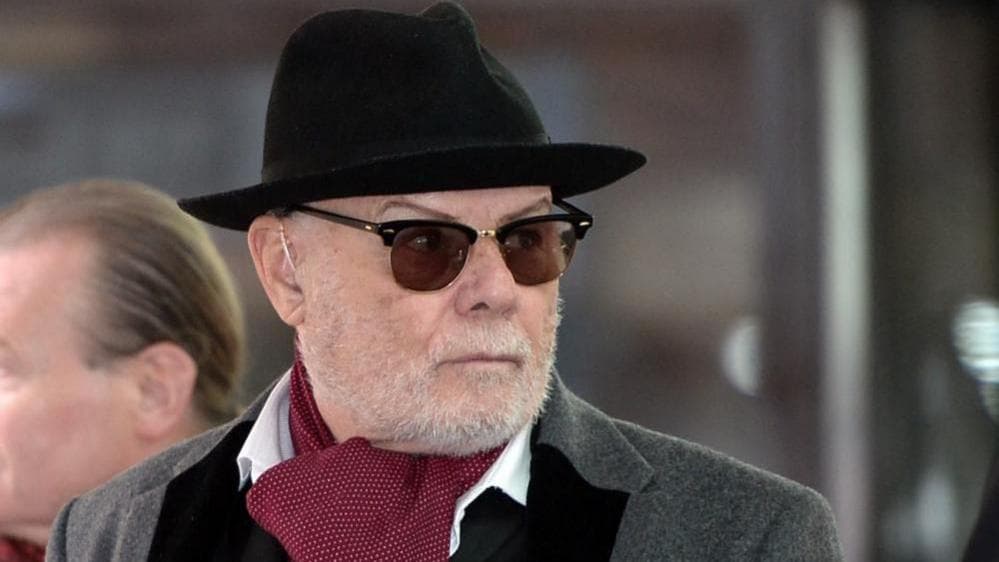
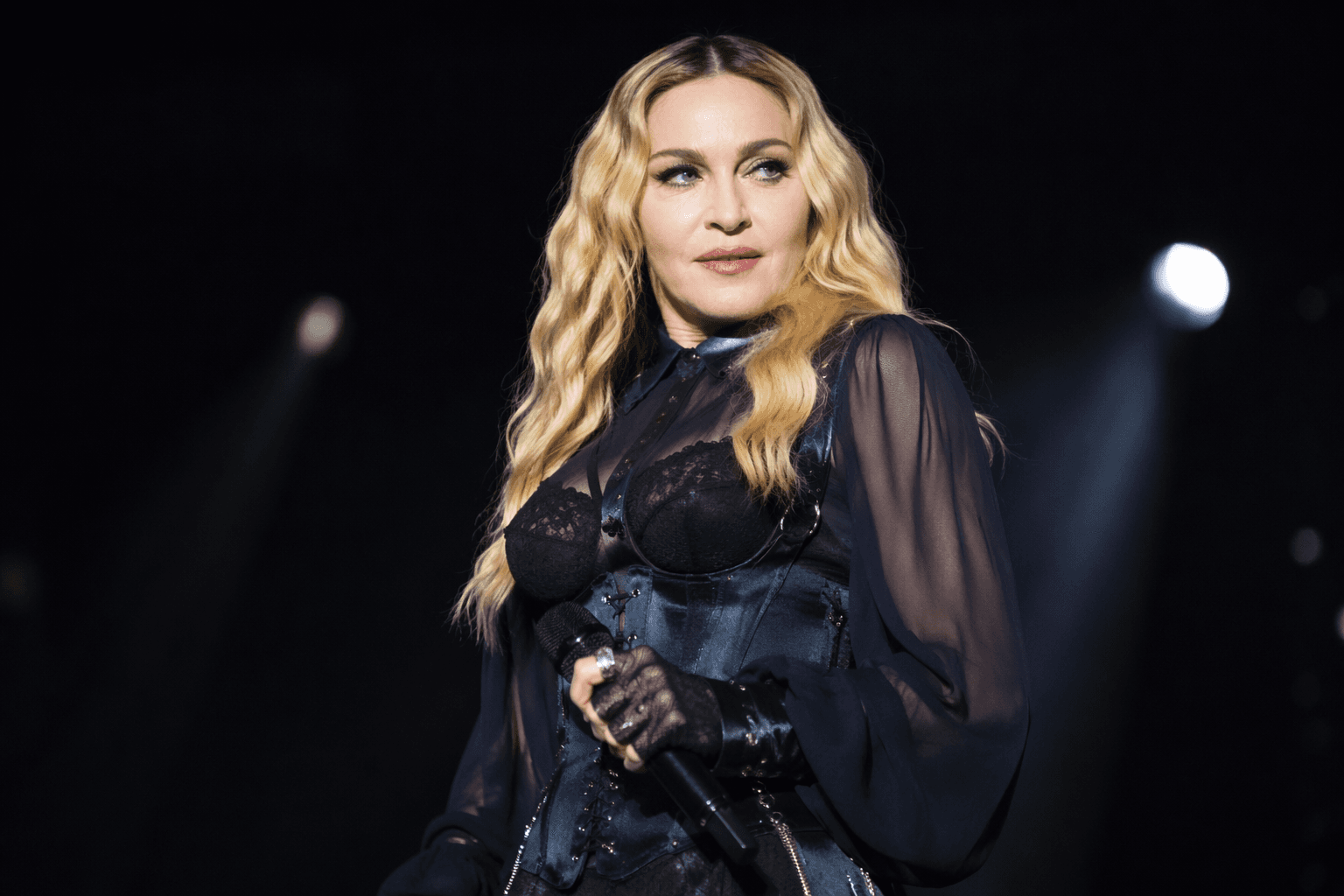
Gisele Bündchen, Scarlett Johansson and More: Inside the 2006 Met Gala
The 2006 Met Gala turned British fashion into a red-carpet spectacle, with Gisele Bündchen, Scarlett Johansson and a mid-2000s guest list signaling a new era.
The night the Met Gala started to look like a global media event
The 2006 Costume Institute Benefit Gala captures a turning point in fashion culture: a still-elite society affair, but one already expanding into the kind of image machine the Met Gala would later become. Held at The Metropolitan Museum of Art in New York City on Monday, May 1, 2006, the gala celebrated AngloMania: Tradition and Transgression in British Fashion, an exhibition that opened two days later and ran through September 4, 2006.
What makes that night so revealing is how neatly it sits between two eras. The event was still rooted in the Costume Institute’s fund-raising mission and in the Met’s scholarly exhibition program, yet the guest list already read like a mid-2000s celebrity index. Gisele Bündchen, Tom Brady, Sarah Jessica Parker, Victoria Beckham, Jessica Alba, Liv Tyler, Lindsay Lohan, Scarlett Johansson, Eva Mendes, Mary-Kate Olsen, Ashley Olsen, Zoe Saldaña, Selma Blair, and Kate Moss all helped define the evening’s visual memory.
Why the 2006 gala mattered beyond the carpet
The Costume Institute says the Met Gala takes place every year on the first Monday in May and marks the opening of its spring exhibition. It is also the department’s primary source of funding for exhibitions, publications, acquisitions, and operations, which gives the red carpet real institutional weight. This was not just a party built around fame. It was, and remains, a mechanism that helps finance the Met’s fashion work.
In 2006, that fund-raising role was tied to AngloMania, an exhibition the Met described as focusing on British fashion from 1976 to 2006 and on the broader cultural fascination with Englishness. The museum framed the show around British style’s historicism and its constant push-pull between tradition and transgression. That concept gave the gala a sharper curatorial spine than a generic celebrity event ever could.
AngloMania and the British fashion lens
AngloMania was staged in the Museum’s English period rooms, which gave the exhibition a literal historical backdrop. The choice mattered: British fashion from the previous three decades was being placed inside rooms that already carried the weight of inherited style, aristocratic fantasy, and cultural memory. The setting made the evening feel less like a conventional runway-adjacent spectacle and more like a dialogue between past and present.
The Met also positioned AngloMania within a larger Costume Institute arc, noting that it followed the 2004 exhibition Dangerous Liaisons: Fashion and Furniture in the 18th Century. Together, the shows formed part of a trilogy of period-room exhibitions, reinforcing the museum’s interest in how clothing, interiors, and social identity interact. That curatorial framework helps explain why the 2006 gala’s fashion references were so explicitly British and so visibly tied to status, performance, and historical image-making.
The chairs, the insiders, and the power of access
The gala’s honorary chairs were Rose Marie Bravo, then chief executive of Burberry, and The Duke of Devonshire. Its co-chairs were Christopher Bailey, Sienna Miller, and Anna Wintour. That lineup underscores how power at the Met Gala has always blended fashion authority, celebrity cachet, and institutional influence.
Those names also show how closely the event was linked to the British fashion world it was celebrating. Burberry’s presence through Bravo, the aristocratic symbolism of The Duke of Devonshire, and the fashion-world authority of Bailey and Wintour all mirrored the exhibition’s themes. The guest list and leadership were working in tandem to turn a museum show into a social event with global image value.
The red carpet before the social-media era took over
The 2006 coverage shows a Met Gala that was still largely documented through entertainment reporting rather than the always-on, real-time content cycle that now defines the event. E! highlighted attendees including Gisele Bündchen and Tom Brady, who arrived separately, along with Sarah Jessica Parker, Victoria Beckham, Jessica Alba, Liv Tyler, Lindsay Lohan, Scarlett Johansson, Eva Mendes, Mary-Kate Olsen, Ashley Olsen, Zoe Saldaña, Selma Blair, and Kate Moss. That lineup reflects the celebrity and fashion ecosystem of the moment: supermodels, television icons, film stars, and tabloid fixtures all sharing the same staircase.
Seen from today, the difference is striking. The 2006 gala still belonged to an older system in which red-carpet meaning was shaped by magazine coverage, entertainment television, and the prestige of being photographed in the room. The later Met Gala would become a global content engine, driven by social platforms, sponsorship logic, and intensely managed image strategy. In 2006, the machinery was already humming, but it had not yet swallowed the event whole.
How to read the 2006 Met Gala now
The value of revisiting this gala is not nostalgia. It is clarity. The evening shows the Met Gala before it fully became the singular, endlessly dissected cultural machine it is now, while already revealing the ingredients that made that transformation possible: a powerful museum, a fund-raising mandate, a strong curatorial concept, and a guest list capable of turning fashion history into mass attention.
The result was a night where British style, museum scholarship, celebrity culture, and institutional fundraising all met in one place. That combination is still the Met Gala’s core formula. What changed after 2006 was the scale of the audience watching, the speed of the response, and the amount of cultural capital packed into every look.
This article was produced by Prism’s automated news system from verified source data, official records, and press releases, then run through automated quality and moderation checks before publishing. The system is built and supervised by the people who set the standards it runs under. Read our full AI policy.
Did this article answer your question?