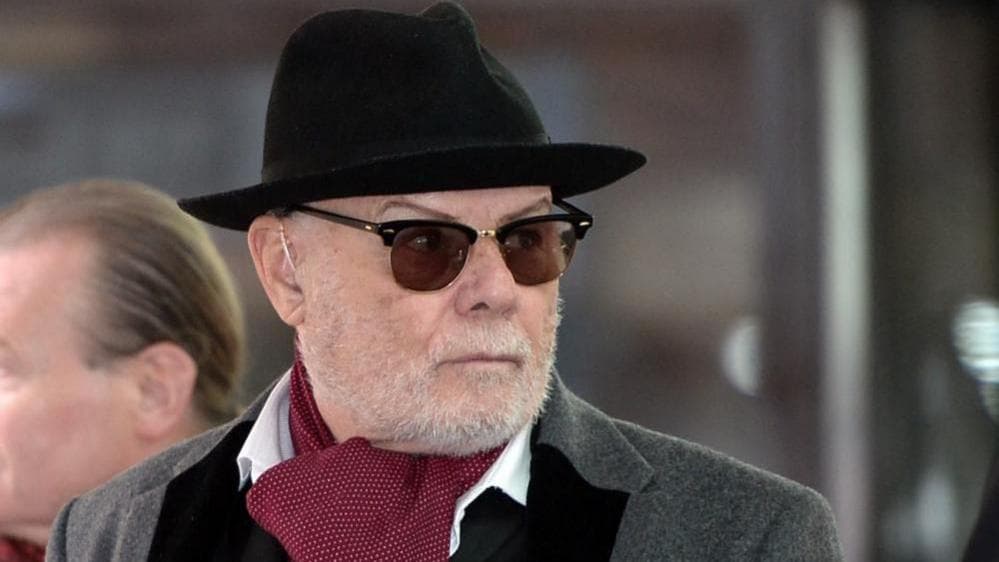
Sunday Morning remembers country outlaw David Allan Coe and his legacy
David Allan Coe’s death at 86 marked the loss of an outlaw-country rebel whose songs turned defiance into a national anthem.
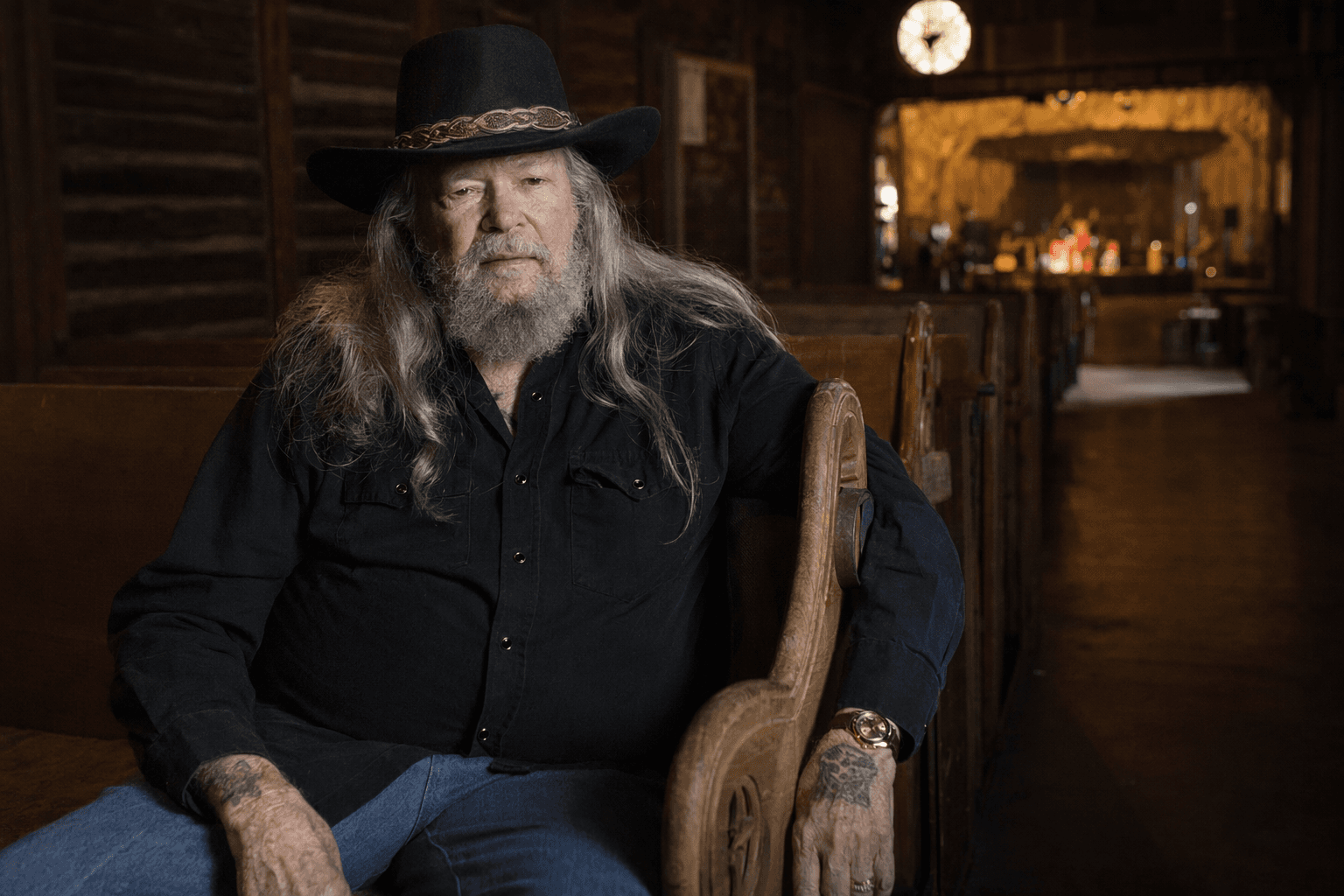
David Allan Coe’s death at 86 closed the life of a songwriter who helped define country music’s outlaw era, even when the biggest hit tied to his pen was sung by someone else. Coe died on April 29, 2026, and CBS News Sunday Morning included him in its “Passage: In memoriam” segment as one of the notable figures Americans lost this week.
Coe was part of the 1970s outlaw country movement, a back-to-basics reaction against the polished Nashville Sound that had dominated country music in the 1960s. Willie Nelson and Waylon Jennings helped spearhead that rebellion, and Coe stood among the artists who gave it an edge, a roughness and a refusal to sand down the harder truths in the music. His career was also marked by controversy and, as one account put it, “bad luck and misadventure,” a description that fit a figure who was as notorious as he was influential.
His best-known song, “Take This Job and Shove It,” became an anthem of workplace frustration and stubborn independence. Coe wrote the song, and Johnny Paycheck turned it into a No. 1 country hit on January 7, 1978, where it stayed for two weeks. The record’s reach went well beyond the charts. It later inspired a 1981 film of the same name, giving Coe’s title a long afterlife in American pop culture and labor talk.
Coe also left behind a catalog that included “You Never Even Called Me by My Name” and “The Ride,” songs that helped cement his place in the outlaw canon. Those titles, like the movement itself, spoke to a generation of listeners who heard country music not as a polished product but as a working-man’s chronicle of regret, pride and survival. In that sense, Coe’s death matters for more than nostalgia. It marks the fading of a cohort that made rebellion commercially viable and turned personal grievance into a durable public voice.
As CBS News Sunday Morning revisited the week’s losses in its May 3, 2026 broadcast, Coe’s name stood for more than a singer with a rough reputation. He represented a generation that pushed country music away from conformity and toward something rawer, riskier and more closely tied to American life as it was actually lived.
This article was produced by Prism’s automated news system from verified source data, official records, and press releases, then run through automated quality and moderation checks before publishing. The system is built and supervised by the people who set the standards it runs under. Read our full AI policy.
Did this article answer your question?