Sting returns to the Met in shipbuilding musical inspired by Newcastle upbringing
Newcastle’s lost shipyards are heading for the Met, as Sting turns a family memory from Wallsend into a musical memorial for a vanished industrial world.
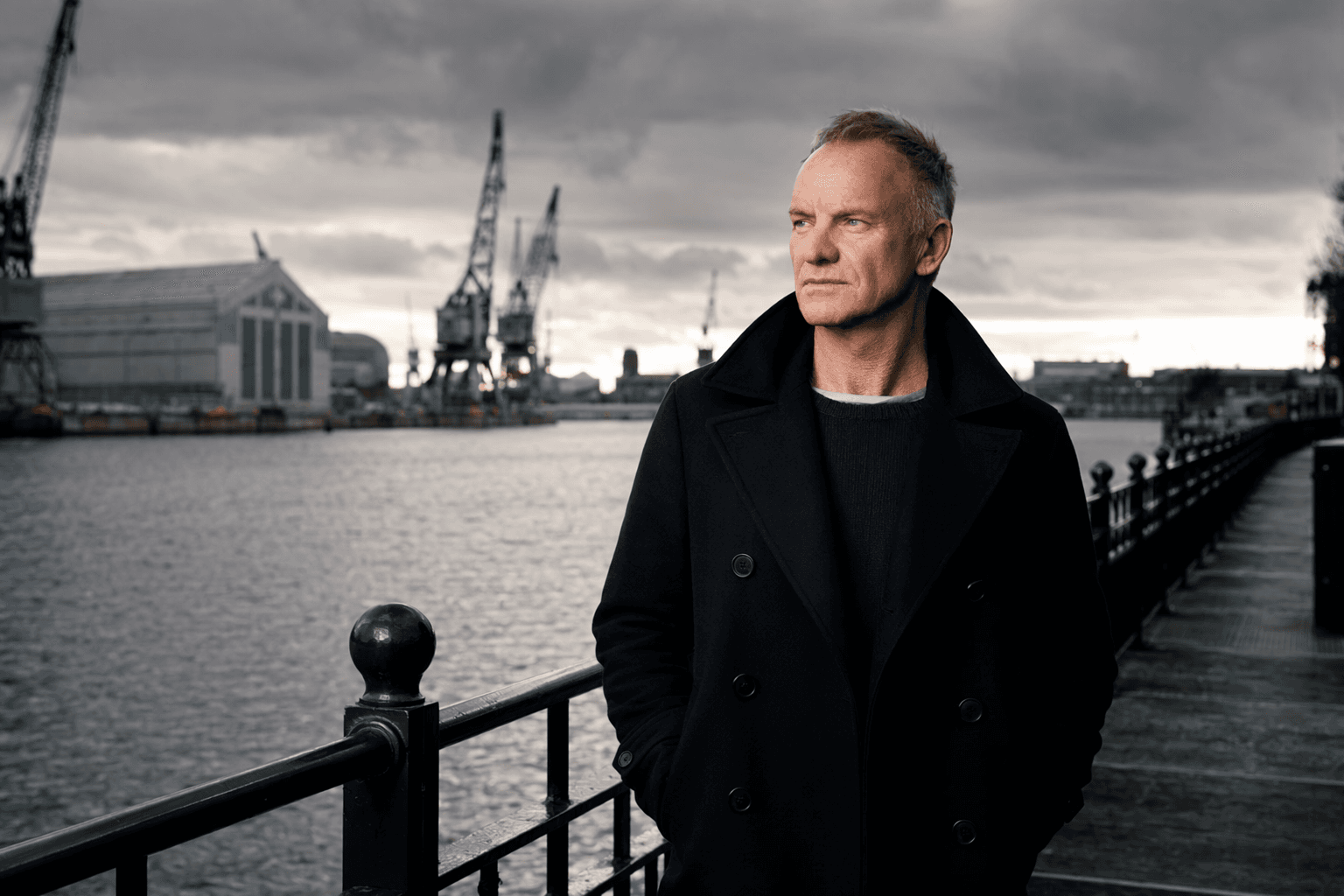
Sting is bringing a hometown story shaped by shipyards, closing docks and working men’s routines to one of opera’s most visible stages. In The Last Ship, the Newcastle-born musician will return to the Metropolitan Opera House as Jackie White for a nine-performance run from June 9 to 14, 2026, placing the vanished economy of the River Tyne at the center of a national cultural moment.
The reimagined production, with a new book by Barney Norris and new and revised songs by Sting, comes from a story rooted in Wallsend, where Sting grew up in the shadow of a shipyard and watched thousands of men walk past his front door each morning. The musical follows a shipbuilding community facing the closure of its yard, and Sting has described it as a way to repay a “debt” to the people and place that formed him.
The Met will pair Sting with reggae artist Shaggy, who will play the Ferryman. The engagement follows multi-night runs in Amsterdam, Paris and Brisbane, and the company has framed Sting’s return as a full-circle moment after his 2010 concert debut at the house. That history gives the production an unusual double life: part star vehicle, part act of remembrance.
The resonance in the North East runs far beyond Sting’s biography. The River Tyne has had a shipbuilding industry since at least 1294, when the earliest recorded vessel was a galley for the King’s Fleet. By the late 19th century, Wallsend was home to Swan Hunter, founded in 1880, one of the names that helped define the region’s industrial identity.

That identity was later battered into near-absence. On December 7, 1988, the last shipyards on the River Wear were announced for closure, and Wearside had once had more than 400 registered shipyards. The announcement marked the end of an era, with hundreds of jobs lost and a landscape of labor, skill and community receding into memory.
At the Met, The Last Ship will try to do what many post-industrial memorials attempt and few manage: turn local grief into shared public culture. Sting’s return will not just revisit a personal origin story. It will test whether the history of a shipbuilding city, and the people who sustained it, can be carried from the Tyne to New York and still feel immediate.
This article was produced by Prism’s automated news system from verified source data, official records, and press releases, then run through automated quality and moderation checks before publishing. The system is built and supervised by the people who set the standards it runs under. Read our full AI policy.
Did this article answer your question?