Morgan Library exhibition reveals Mozart’s life, letters and instruments
Mozart's childhood violin, the clavichord for The Magic Flute and letters from Salzburg and Vienna cast the composer as both icon and working artist.
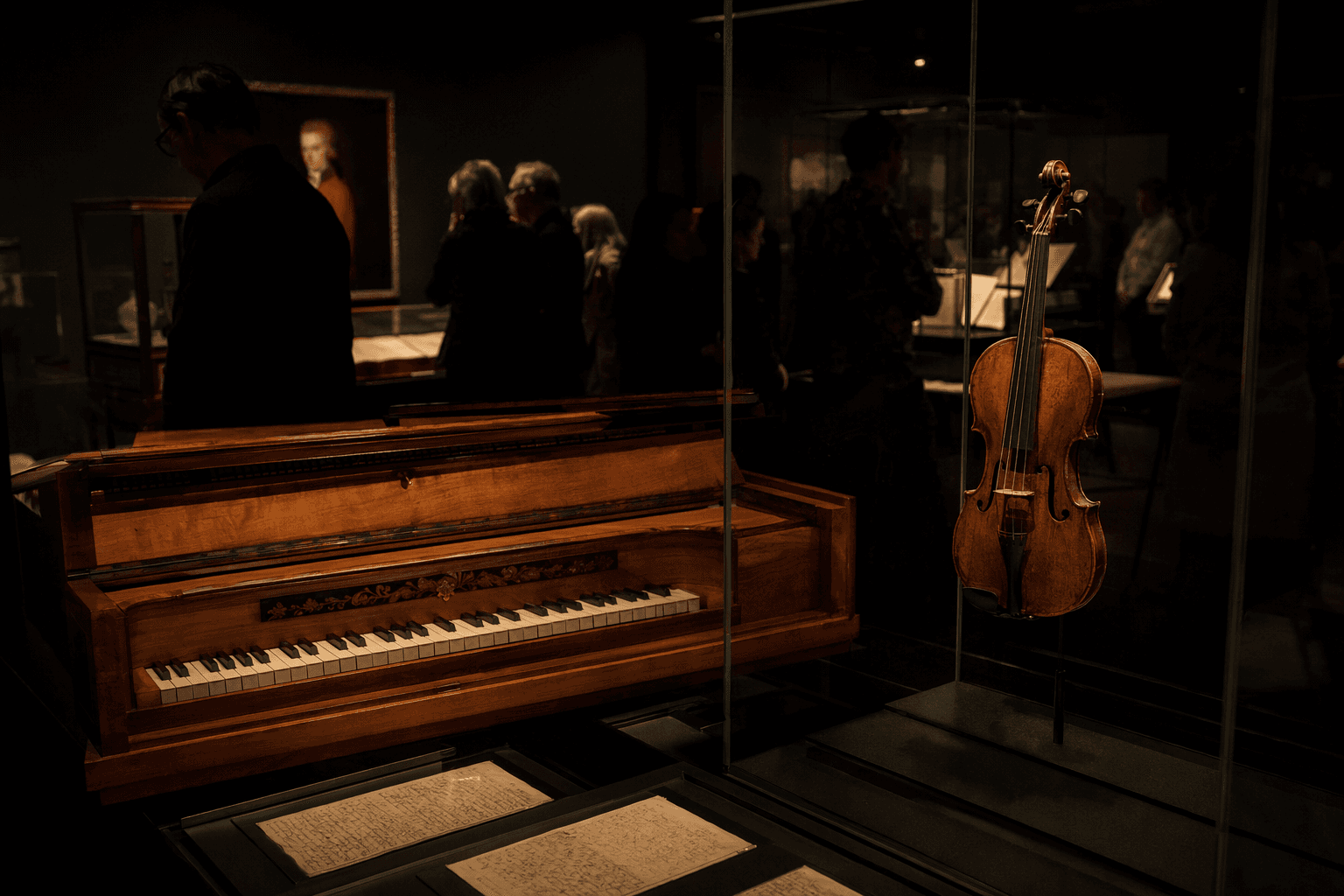
Mozart arrives at the Morgan Library & Museum this spring as both immortal genius and hard-working freelancer, a composer whose legend is matched by the paper trail of family, money and relentless output. The New York museum’s exhibition, Wolfgang Amadeus Mozart: Treasures from the Mozarteum Foundation of Salzburg, places his manuscripts, first editions, portraits, letters and personal objects beside instruments that help pull the myth back to human scale.
On view from March 13 through May 31, 2026, the two-gallery show is described by the Morgan as an unprecedented collaboration with the Mozarteum Foundation of Salzburg. For the first time in the United States, objects from Salzburg cross the Atlantic, including Mozart’s childhood violin and the clavichord on which he composed The Magic Flute. The exhibition also pairs those treasures with the Morgan’s own Mozart holdings, creating a dense portrait of a child prodigy who was born in 1756 and died in 1791, yet kept working at a pace that still feels startling.
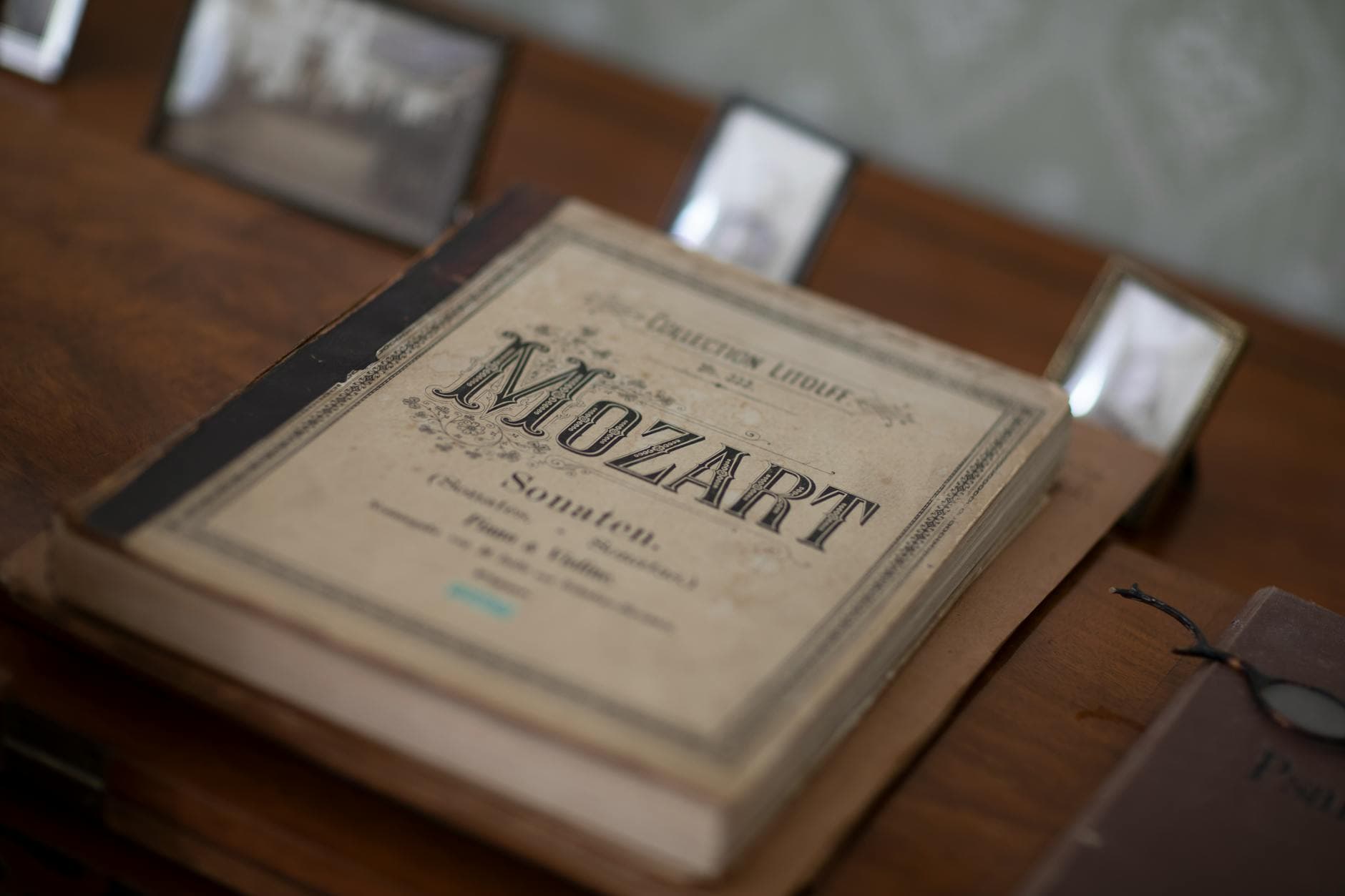
The museum says the exhibition traces Mozart’s life from Salzburg beginnings to Vienna masterworks, and that arc matters because it pushes back against the easy story of effortless genius. Mozart’s output is shown not as a blur of masterpiece after masterpiece, but as the record of a working artist moving between patrons, commissions, family obligations and the practical demands of making a living. The exhibition highlights the forms in which he was preeminent, symphony, piano concerto and opera, while the letters and personal objects place those works inside a family and professional world that depended on constant labor.
Robinson McClellan, the Morgan’s Mary Flagler Cary Curator of Music Manuscripts and Printed Music, curated the exhibition with Deborah Gatewood, Armin Brinzing, Linus Klumpner and Christopher J. Salmon. Their collaboration brings together two major Mozart collections, and the result is less a shrine than a reckoning with how the canon is built from objects, handwriting and the material conditions of creation.
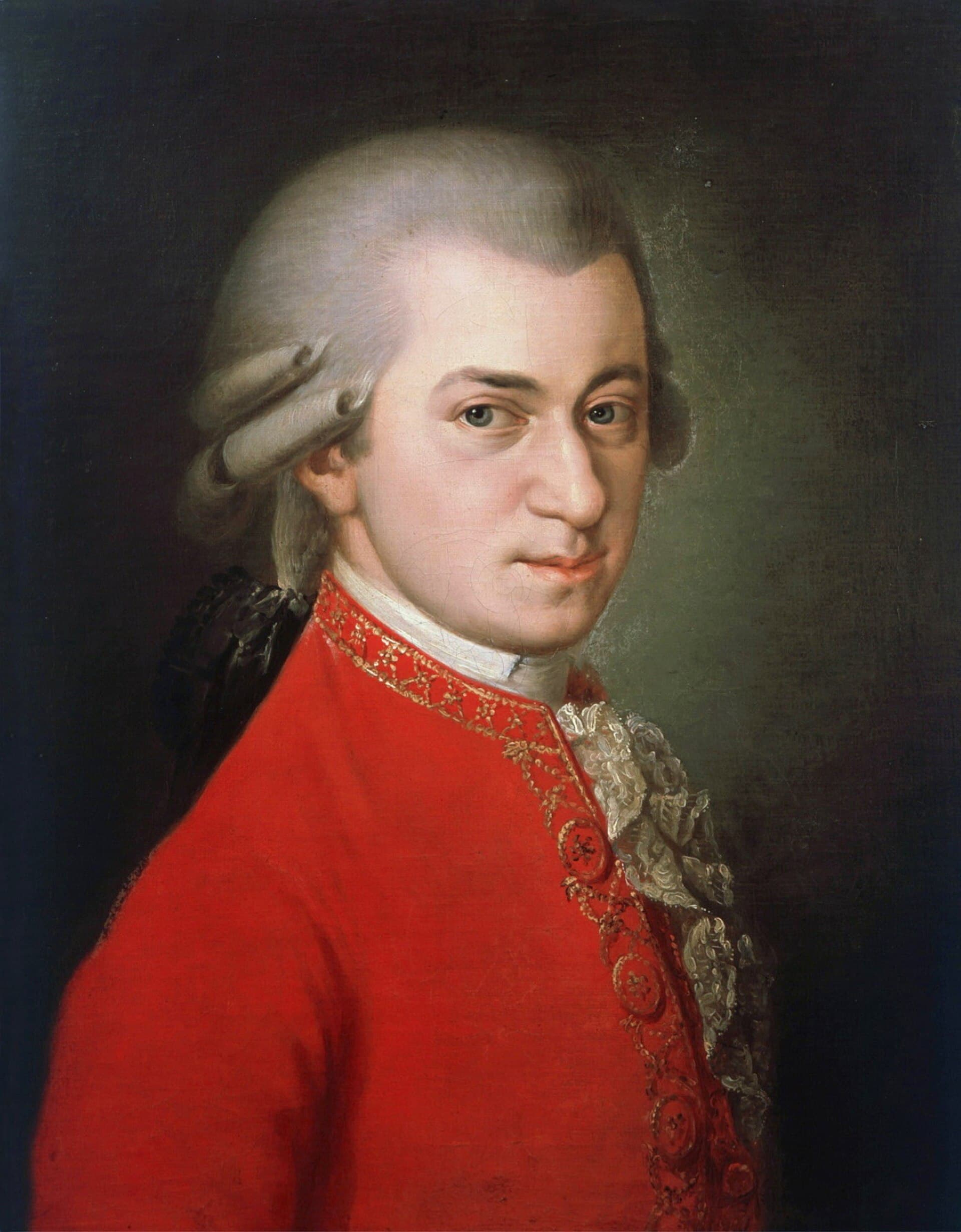
The show also reflects the Morgan’s larger institutional moment. The museum marked its 100th anniversary in 2025, and Mozart sits within its 2026 exhibition lineup as one of the year’s major offerings. That placement signals more than programming. It shows a public museum using Mozart to make a broader case that the human story behind cultural immortality still has force, especially when the evidence is a violin, a clavichord and the letters of a life lived at full speed.
This article was produced by Prism’s automated news system from verified source data, official records, and press releases, then run through automated quality and moderation checks before publishing. The system is built and supervised by the people who set the standards it runs under. Read our full AI policy.
Did this article answer your question?