Gisèle Pelicot’s survival exposes gaps in care and community safety nets
A survivor's story of extraordinary courage highlights health system failures, social inequities, and the urgent need for trauma-informed community supports.

Gisèle Pelicot’s survival is not only an account of personal resilience; it is a lens on how institutional failures compound injury and illness into long-term public health problems. Her experience, shared with local advocates and care providers today, has drawn attention to the ways medical, social and policy shortfalls leave survivors isolated and at higher risk of repeated harm.
Pelicot emerged from a life-threatening ordeal that required acute medical attention and long-term support. The immediate medical response saved her life, but the path to recovery has exposed gaps in mental health services, housing stability, and coordinated care that are common for people in similar circumstances. The unmet needs she faces underscore broader trends: fragmented systems, racial and economic disparities in access to care, and underfunded community-based programs.
Public health professionals say individual survival must be coupled with systems of prevention, rehabilitation and social support. When those systems fail, the burden shifts onto emergency departments and overtaxed social services, driving higher costs and worse outcomes. Pelicot’s case illustrates how trauma without adequate follow-up becomes a chronic public health challenge, contributing to higher rates of depression, substance use, and preventable readmissions among survivors.
The community response around Pelicot has been uneven. Grassroots groups mobilized to provide immediate practical assistance, while local clinics reported long waiting lists for trauma-informed counseling and specialty services. That gap demonstrates a persistent mismatch between community need and available resources. Housing insecurity, lost income and the practical costs of recovery can thwart clinical interventions, making policy interventions that address social determinants as important as medical treatment.
Healthcare policy implications are clear. Integrating mental health into primary care, expanding Medicaid coverage for post-trauma services, and funding community-based case management would reduce long-term costs and improve outcomes. Current reimbursement structures often disincentivize the interdisciplinary work required to support survivors fully. Without policy shifts that prioritize continuity of care and social supports, stories like Pelicot’s will remain common.
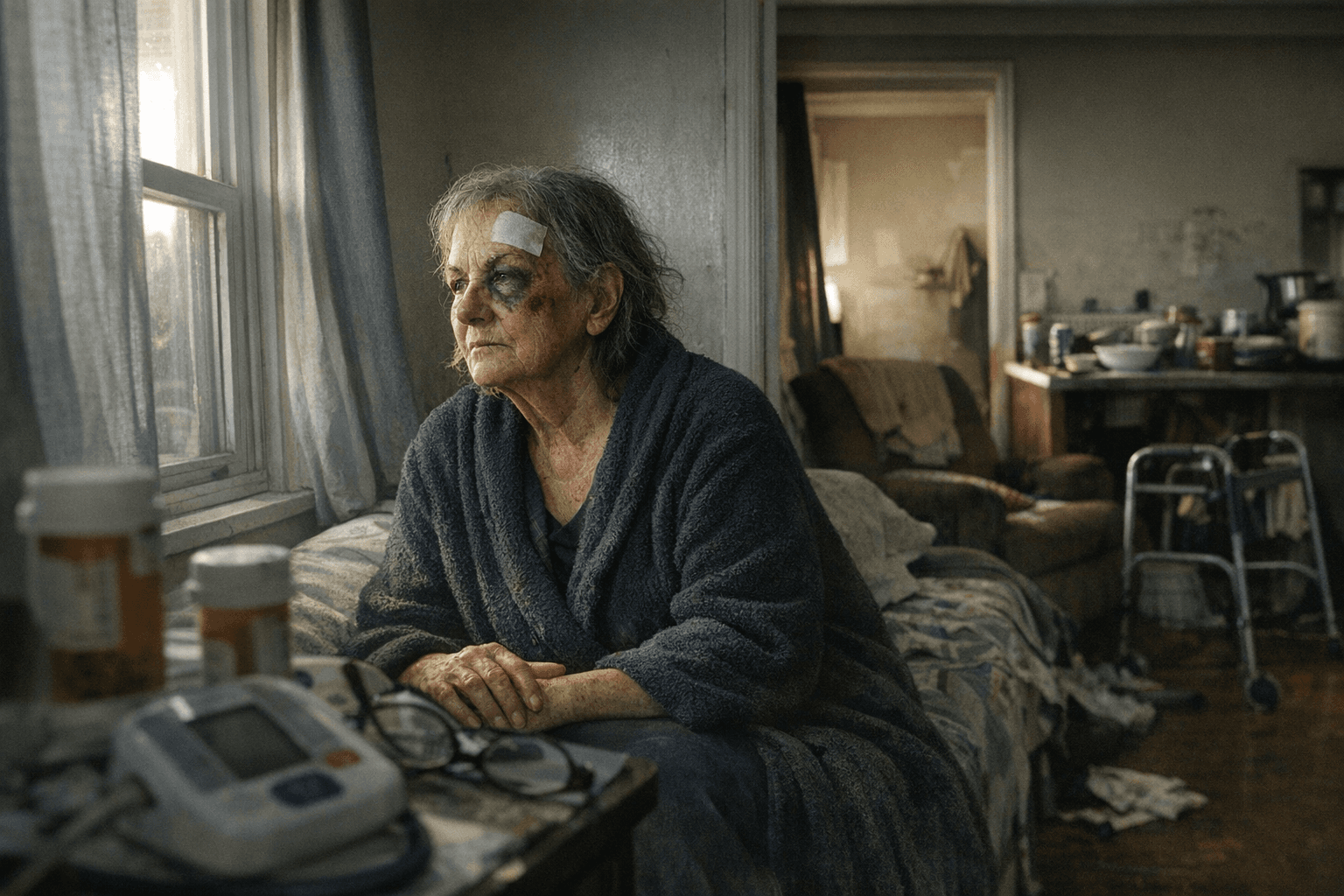
Social equity is central to the lessons her survival teaches. Survivors from low-income backgrounds and marginalized communities routinely face barriers to care that compound the original harm. Addressing these inequities requires targeted investments in culturally competent services, legal protections that remove barriers to accessing care, and robust data collection to ensure policy responses reach those most affected.
Pelicot’s survival has prompted local officials to pledge reviews of service capacity and referral pathways, but advocates say concrete funding and timelines are needed. For public health leaders, the immediate task is to translate the attention her story has generated into durable programs: trauma-informed training for first responders, rapid-access counseling, and housing supports tied to clinical follow-up.
What Pelicot survived is both a single person’s ordeal and a symptom of systemic neglect. Her resilience reveals the human cost when institutions fail to bridge emergency response and long-term recovery. If policymakers and health systems respond with sustained investments in integrated care and equity-focused supports, her story could become a catalyst for preventing the next avoidable crisis.
This article was produced by Prism’s automated news system from verified source data, official records, and press releases, then run through automated quality and moderation checks before publishing. The system is built and supervised by the people who set the standards it runs under. Read our full AI policy.
Did this article answer your question?