OpenAI hits roughly $25 billion run rate, sparking ad, infrastructure and oversight questions
Industry sources say OpenAI reached about $25 billion annualized revenue by end of February 2026, raising privacy, energy and competition stakes for users and regulators.
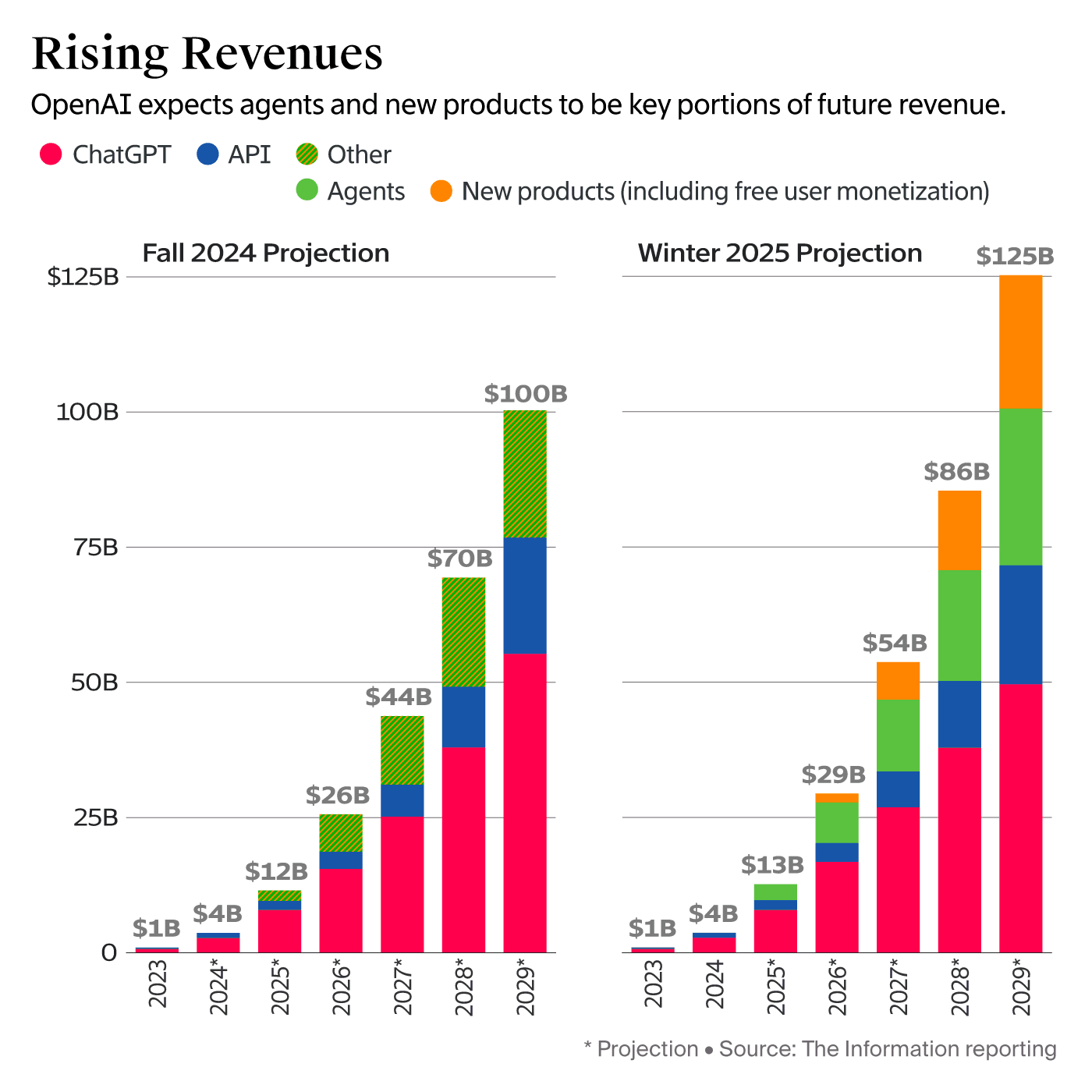
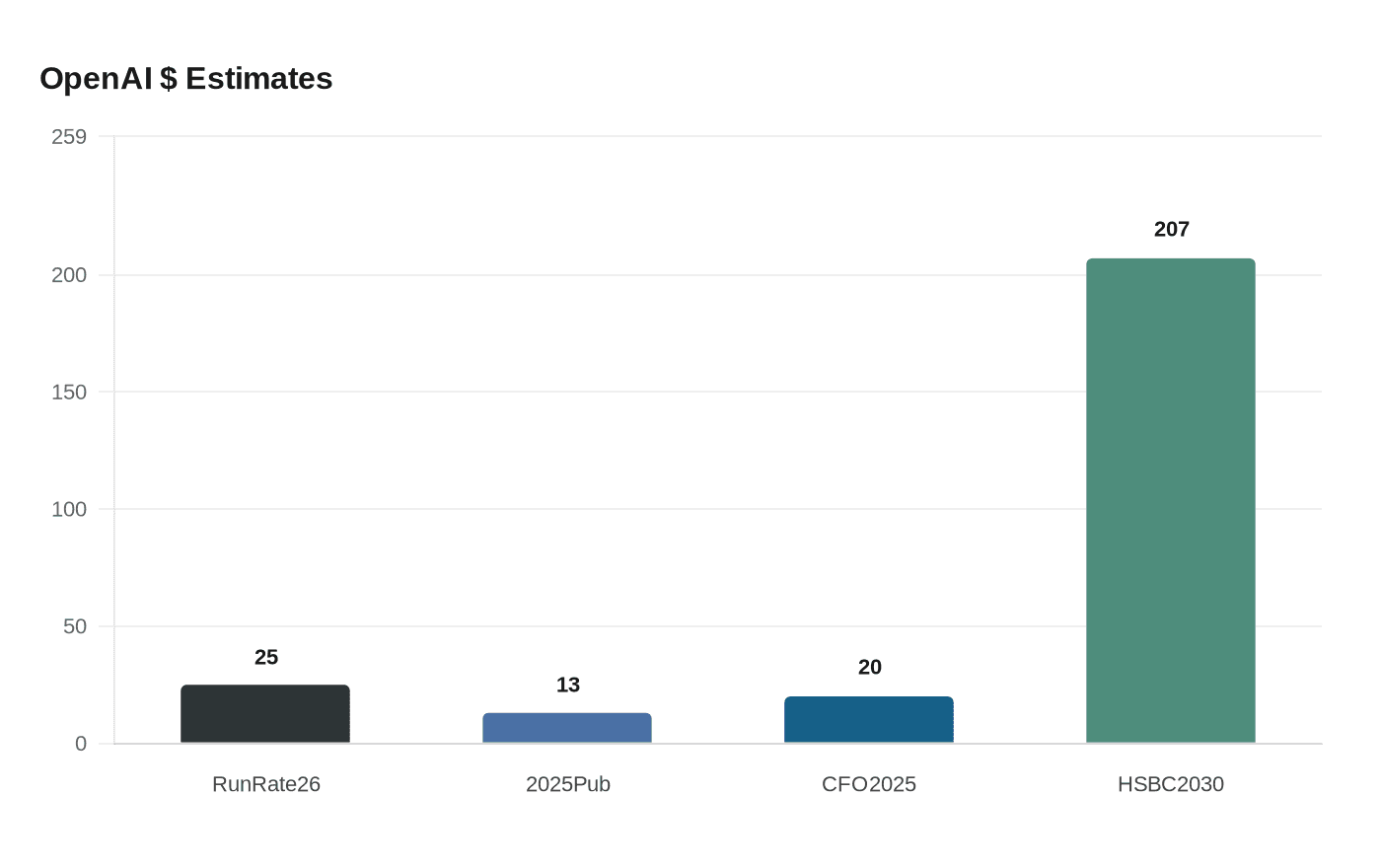
Industry sources say OpenAI reached roughly $25 billion in annualized revenue as of the end of February 2026, a leap that crystallizes the company’s shift from research lab to mass-market platform and accelerates plans to monetize ChatGPT through advertising and vast infrastructure deals.
The figure, reported by multiple industry sources, lands amid contradictory public accounts of last year’s revenue. Chief financial officer Sarah Friar has said 2025 revenue “exceeded $20 billion,” and in a company blog she framed the transformation this way: “What started as a tool to spark curiosity has turned into an infrastructure that helps people create more, accelerate decisions, and work at a higher level.” At the same time, a separate public finance account cited a $13 billion 2025 total. CEO Sam Altman has described the company as “on track to generate more than $20 billion in annualized revenue this year” and argued the firm must expand compute now because, he wrote on X, “We are trying to build the infrastructure for a future economy powered by AI” and “Massive infrastructure projects take quite awhile to build, so we have to start now.”
The run rate and executive commentary matter beyond valuation. Evercore ISI analyst Mark Mahaney projects that OpenAI’s advertising business alone could generate as much as $25 billion annually by 2030 if the company executes its strategy, pointing to ChatGPT’s enormous reach, Evercore’s note estimates roughly 900 million weekly users at the end of 2025, and a format that could capture high-intent commercial queries now routed to search engines. That prospect has immediate implications for advertising revenues at incumbents and for the livelihoods of workers and businesses that depend on search-ad ecosystems.

OpenAI is preparing to test advertisements for U.S. users on free and low-cost subscription tiers, while keeping paid offerings ad-free. The company has said that “Advertisements will be clearly labelled and will not influence ChatGPT’s responses. OpenAI also said it will not sell users’ conversations or personal data to advertisers.” Even if those protections hold, advocates and privacy experts warn that conversational ad formats and high-volume user data concentrate power over what information is seen and who benefits from it.
The company’s commercial growth has been matched by massive infrastructure commitments. Publicly disclosed vendor commitments and company statements point to multiyear deals with major cloud and chip partners running into the hundreds of billions of dollars, and internal figures show compute capacity growing from about 0.2 gigawatts in 2023 to 1.9 gigawatts in 2025. Financial-sector analysis from HSBC has warned that OpenAI may still face a financing shortfall as it scales, estimating a potential $207 billion gap by 2030 even under optimistic revenue scenarios.
Those dynamics create regulatory and public-health questions. Rapid expansion of compute has environmental and local grid impacts, concentrated advertising power can deepen digital inequality and misinformation risks, and gaps between company projections and public accounting intensify calls for clearer disclosure. For communities that rely on affordable access to information and for employees in advertising and cloud industries, the company’s next moves will determine who benefits from AI’s commercial rise and who bears its costs.
Policymakers, investors and public-interest groups will be watching whether OpenAI’s disclosures converge and how new ad formats and infrastructure deals are governed. The stakes are immediate: billions in revenue today, and the potential to reshape markets, privacy norms and energy use for years to come.
This article was produced by Prism’s automated news system from verified source data, official records, and press releases, then run through automated quality and moderation checks before publishing. The system is built and supervised by the people who set the standards it runs under. Read our full AI policy.
Know something we missed? Have a correction or additional information?
Submit a Tip