Global oil stockpiles plunge as Iran war disrupts supply routes
Oil stockpiles are sliding fast as the Iran war chokes Hormuz, with emergency reserves drained and OECD inventories headed toward their lowest since 2003.
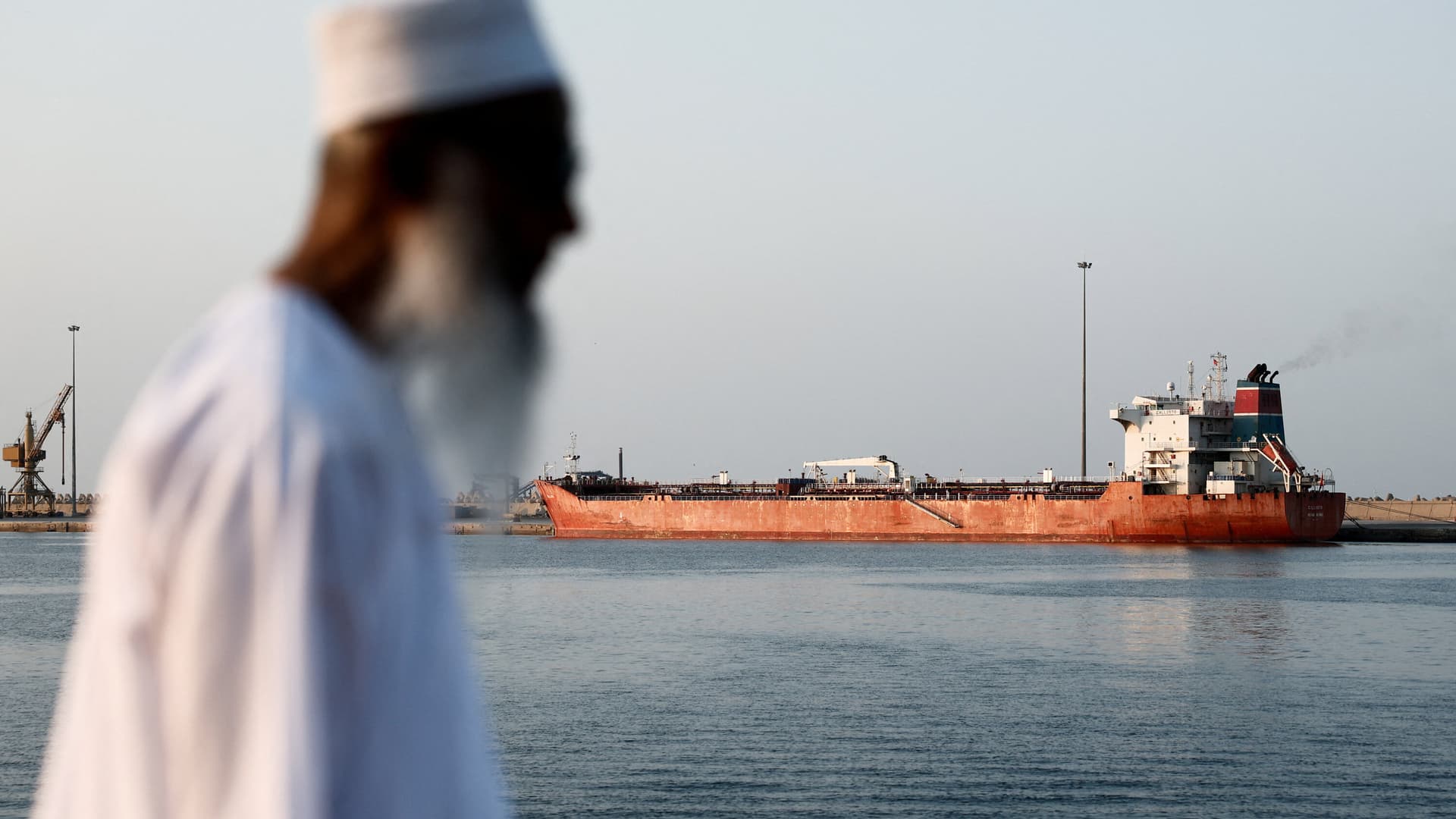
Oil inventories are falling fast enough to turn a distant war into a tightening economic constraint, shrinking the cushion for governments, refiners and drivers just as diplomats are trying to force a deal. As barrels leave storage, the pressure rises on policymakers to protect fuel supply and on consumers to absorb whatever price shock comes next.
The conflict began on Feb. 28, 2026, and quickly jammed tanker traffic through the Strait of Hormuz, the waterway that normally carries roughly one-fifth of the world’s oil on a typical day. With shipments disrupted, the International Energy Agency agreed on March 9 to release 400 million barrels from emergency stocks, its largest such release ever. Germany, Austria and Japan also said they would tap reserves, underscoring how quickly a military clash in the Middle East became a test of global energy security.
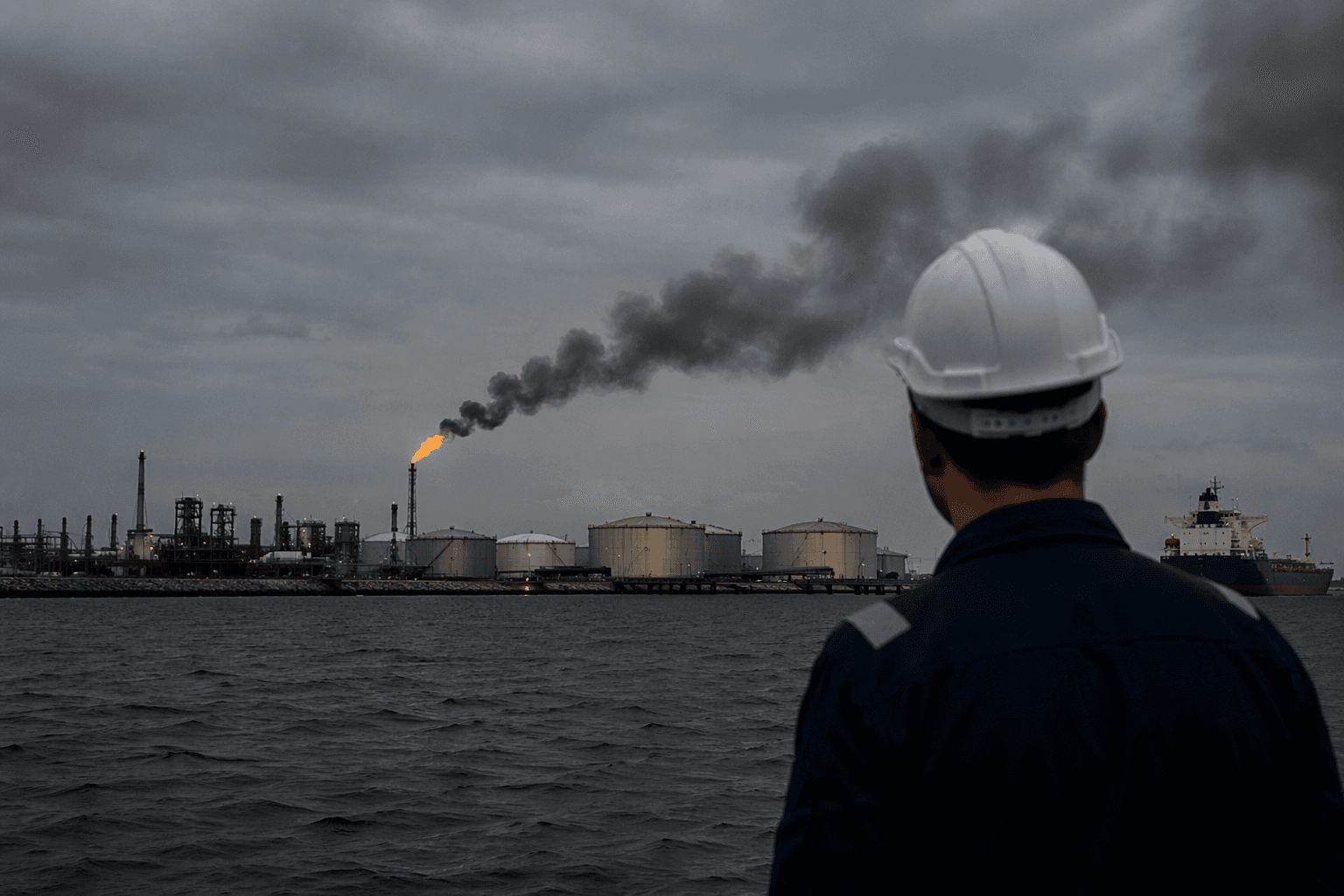
The IEA’s members hold more than 1.2 billion barrels of public emergency oil stocks, plus about 600 million barrels of industry stocks kept under government obligation. But those reserves exist for exactly this kind of crisis, and the more they are drawn down, the less room governments have if the fighting spreads or lasts longer than expected. The U.S. Energy Information Administration said China, the United States and Japan held the largest strategic oil inventories as of December 2025, with China’s stocks reaching nearly 1.4 billion barrels.
That cushion is already thinning. In the week ended June 5, U.S. commercial crude inventories excluding the Strategic Petroleum Reserve fell by 7.2 million barrels, the seventh straight weekly decline. The EIA had said the United States and other IEA members agreed in March to a coordinated emergency release after the effective closure of the Strait of Hormuz, and it planned to update its assessment periodically beginning in May.
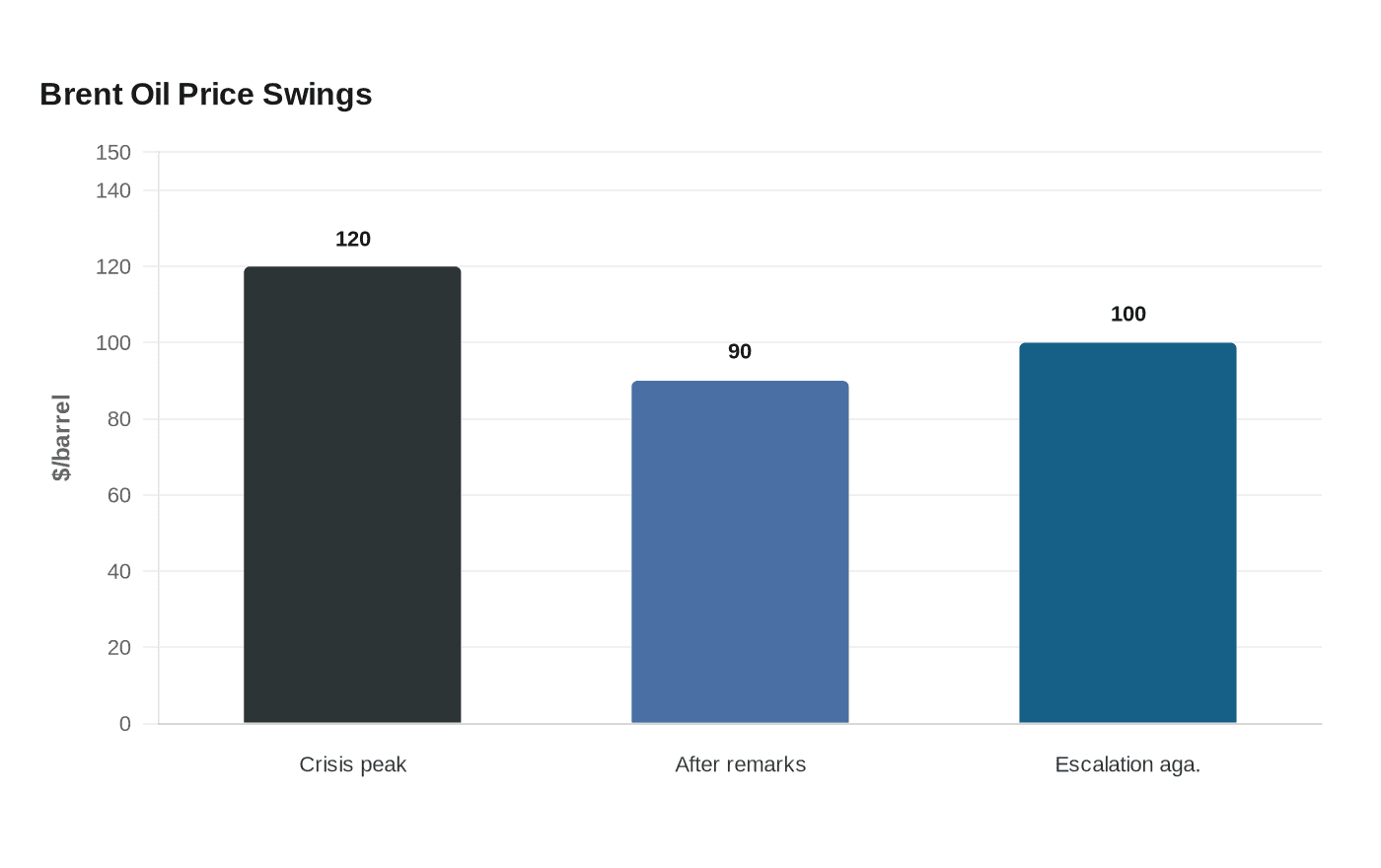
Markets have already swung sharply on the battlefield and in Washington. Brent crude briefly surged to nearly $120 a barrel during the crisis before dropping under $90 after President Donald Trump suggested the war could be nearing an end. When attacks escalated again, prices climbed back toward $100. That kind of volatility leaves refiners and fuel distributors struggling to plan purchases, and it raises the risk of a fuel crunch as summer travel demand builds.
The broader warning is even starker: oil stockpiles in the world’s largest economies are headed toward the lowest levels since at least 2003, and total inventories could fall below 2.3 billion barrels by December 2026. As reserves dwindle, the market loses its shock absorber, and the leverage shifts toward whichever side can wait the longest for the other to blink.
This article was produced by Prism’s automated news system from verified source data, official records, and press releases, then run through automated quality and moderation checks before publishing. The system is built and supervised by the people who set the standards it runs under. Read our full AI policy.
Know something we missed? Have a correction or additional information?
Submit a Tip