Japan's H3 rocket returns to flight with lower-cost version success
Japan’s H3 returned to flight in a lower-cost 30 configuration, reached orbit, and confirmed payload separations after years of setbacks.

Japan’s H3 rocket roared back to flight from Tanegashima Space Center at 09:53:59 JST on Friday, sending its lower-cost 30 configuration test vehicle toward orbit after a string of failures had shaken confidence in the program. The launch marked a critical reset for Japan’s mainstay rocket system, one designed to replace the H-2A and give the country a more affordable foothold in a launch market increasingly shaped by SpaceX.
Japan Aerospace Exploration Agency said H3 Launch Vehicle flight No. 6 flew as planned and that the second stage was injected into the predetermined orbit. About 16 minutes and 4 seconds after liftoff, JAXA confirmed the separation of PETREL and STARS-X, while separation signals were also sent to BRO-22, VERTECS, HORN-L and HORN-R. The mission had been postponed from June 10 because of bad weather, with a launch window that ran from 09:53:59 to 11:52:46 JST and reserved periods stretching into late June and July.
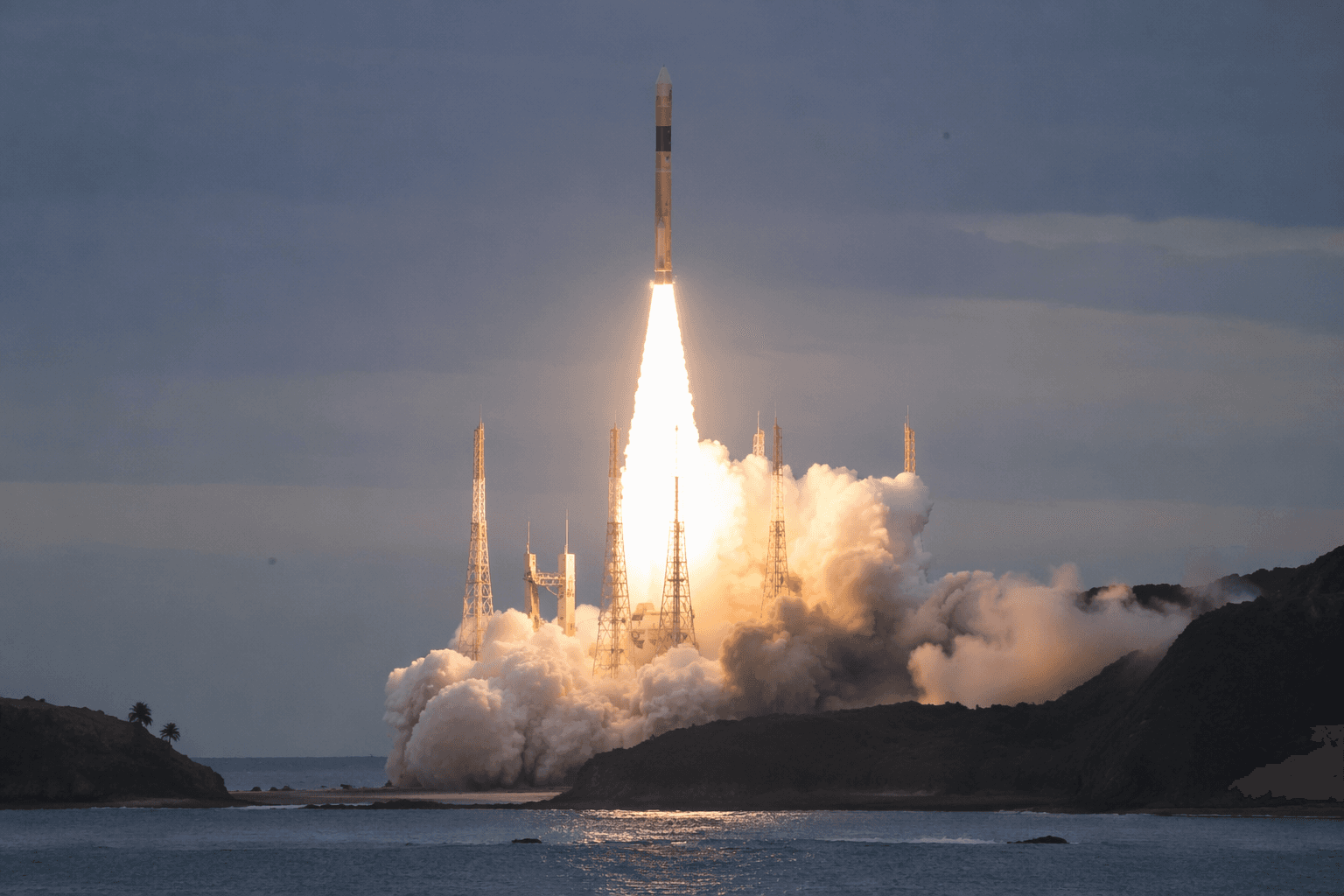
The success matters far beyond one clean ascent. JAXA says the H3 is Japan’s new mainstay launch vehicle, built to offer flexibility, high reliability and strong cost performance, and the 30 configuration is intended to carry more than 4 tons to sun-synchronous orbit while cutting launch costs. That lower price point is central to Japan’s effort to compete commercially while also preserving dependable domestic access to orbit, a capability that carries both economic value and national security weight.
The stakes were sharpened by earlier failures. The first H3 flight on March 7, 2023 ended when the second-stage engine failed to ignite and controllers issued a destruct command. Another malfunction in December prevented a satellite from reaching its intended orbit and grounded the rocket until this week’s return to service. Mitsubishi Heavy Industries says H3 is Japan’s flagship rocket jointly developed with JAXA, and that it has recorded consecutive successful launches since H3 Test Flight 2 in February 2024.
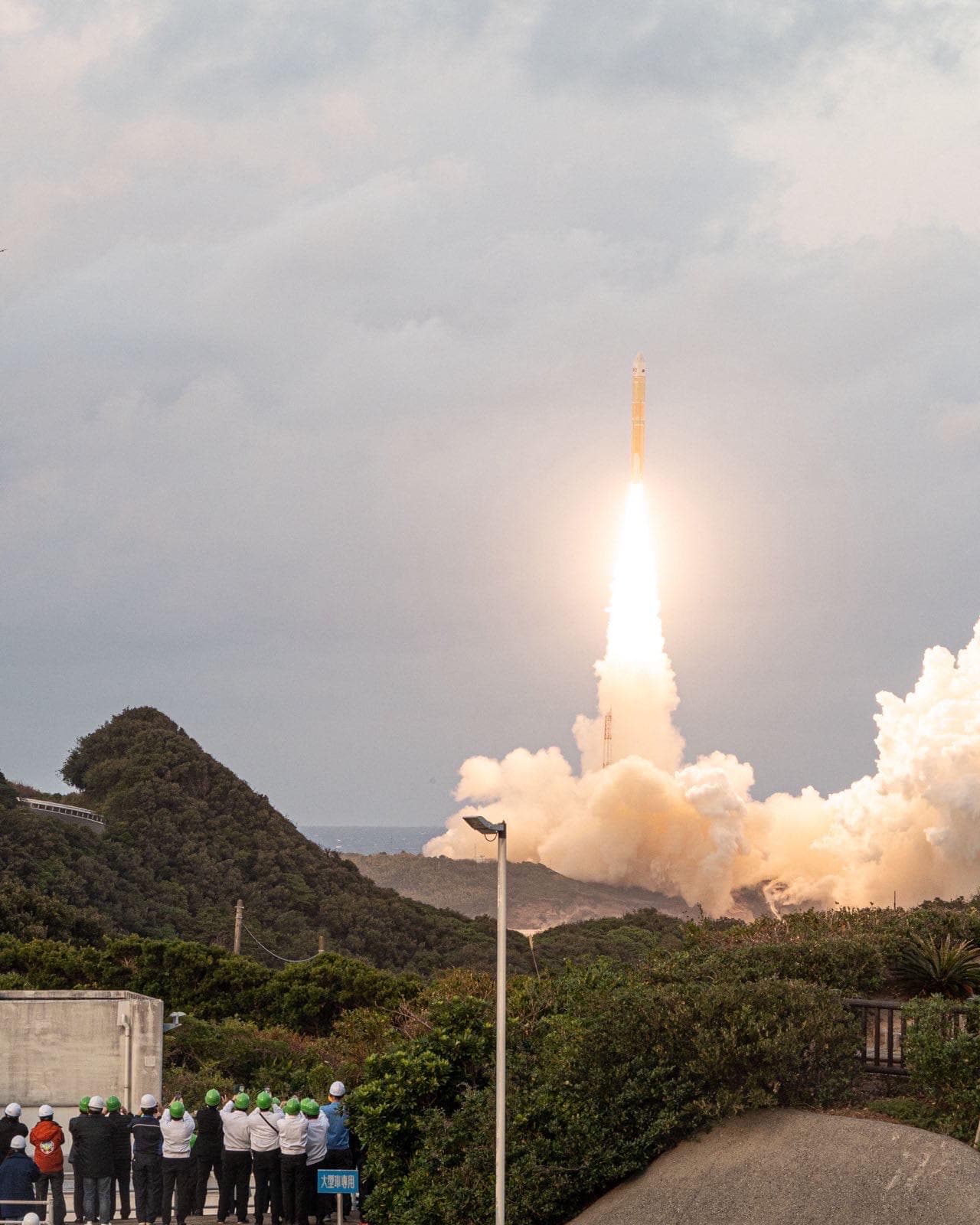
The recovery also strengthens Japan’s broader launch strategy at a moment when access to orbit has become a geopolitical asset. AP reported that Japan hopes to fly H3 six to eight times a year, a pace that would help it move from a troubled restart to a more durable industrial and strategic capability. With the H-2A nearing retirement after two more flights, Friday’s result offered more than relief: it showed that Japan still has a path toward a cheaper, more competitive launcher that can serve both commercial customers and allied space needs.
This article was produced by Prism’s automated news system from verified source data, official records, and press releases, then run through automated quality and moderation checks before publishing. The system is built and supervised by the people who set the standards it runs under. Read our full AI policy.
Know something we missed? Have a correction or additional information?
Submit a Tip