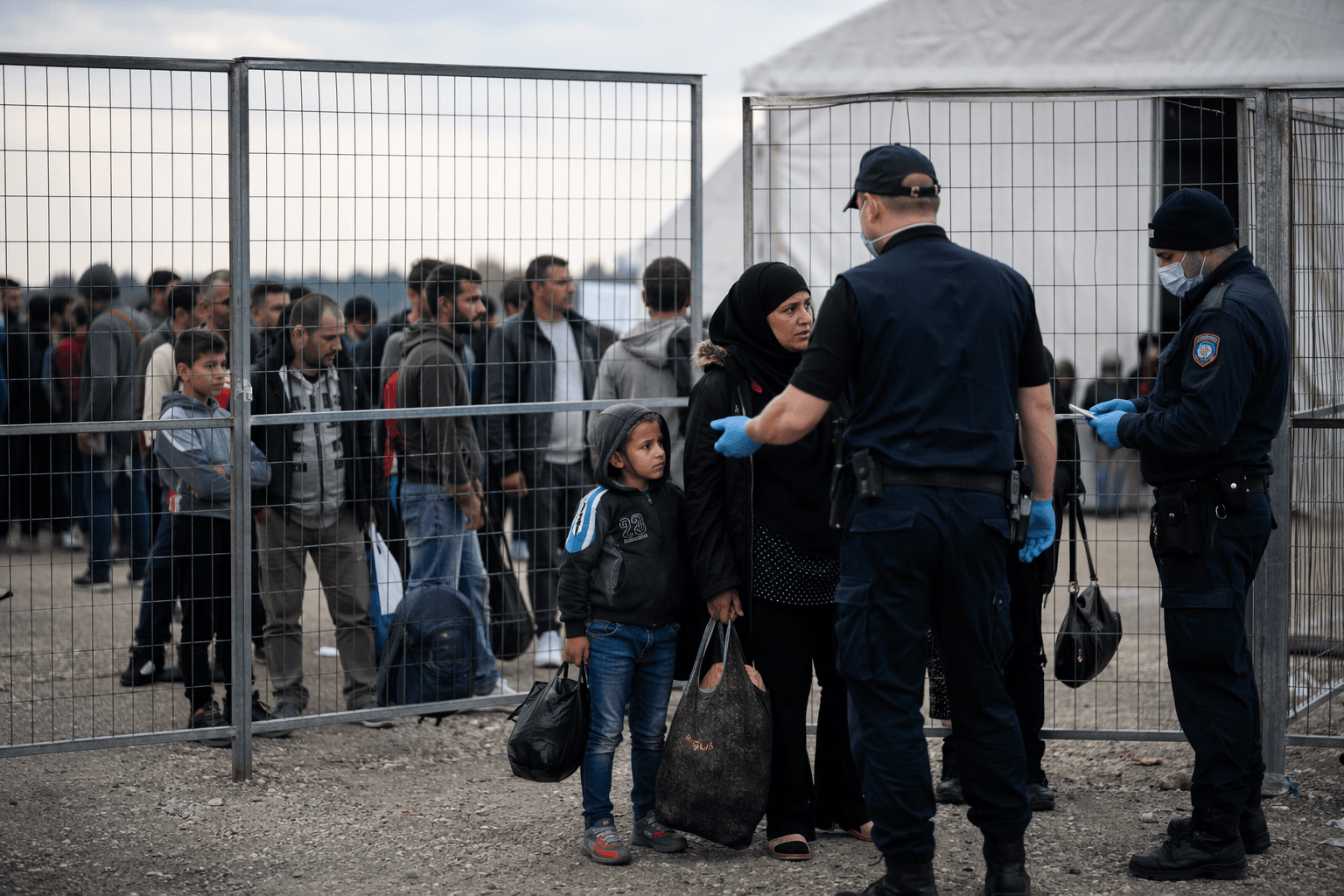
PSNI makes three more arrests after north Belfast disorder overnight
Police made three more arrests overnight as an arson attack in Shore Road and scattered unrest exposed how far the north Belfast disorder had spread.
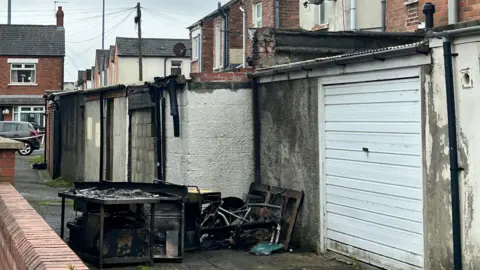
Police made three more arrests overnight as disorder linked to the north Belfast knife attack spread across parts of Northern Ireland, with an arson attack on a house in the Shore Road area underlining how quickly the unrest had moved beyond street protest. The Police Service of Northern Ireland said 19 people have now been arrested this week, and some have already been charged to court.
The PSNI said Thursday night brought a reduction in the level of disorder, but officers still dealt with lower-level disturbances alongside peaceful protests in some areas. The force said its heightened presence and engagement to de-escalate violence remained in place, and that the policing operation would continue over the weekend.
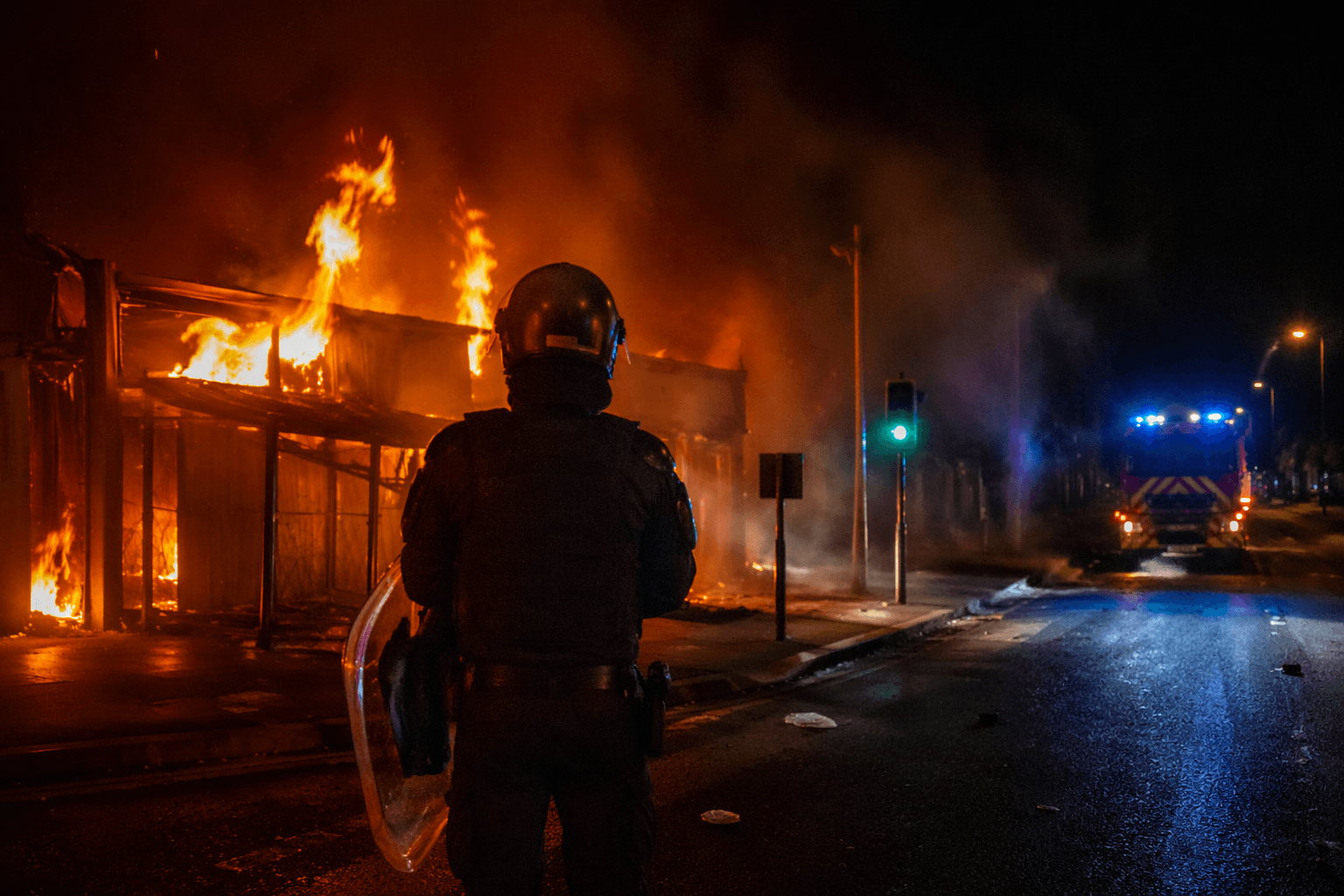
The geography of the incidents has widened the pressure on police and local leaders. In addition to north Belfast, the unrest has surfaced in Belfast, Newtownabbey, Derry/Londonderry, Taughmonagh, south Belfast, Dee Street, the Newtownards Road and Abbeyville Court, reinforcing concerns that the violence is not confined to one flashpoint. Officials have framed the turmoil as tied to racial tensions and anti-immigration unrest, raising the stakes for any attempt to contain it before it hardens into a wider pattern.
The disorder followed an attempted murder and knife attack in north Belfast on Monday, June 8, 2026, which Justice Minister Naomi Long described as brutal and linked to a critical police investigation. Long urged the public not to share footage of the attack, a call echoed by Belfast City Council party group leaders, who said the incident had caused real distress and fear.
The Northern Ireland Executive also condemned what it called racially motivated violence in recent days, saying residents had been terrorised and numerous PSNI officers injured. That language signalled how seriously ministers are treating the unrest, not as isolated criminality, but as a threat to public order and community relations at a time when confidence in local stability is already under strain.
The PSNI said its Public Order Enquiry Team was working day and night to identify those involved, while Chief Constable Jon Boutcher and Director of Public Prosecutions Stephen Herron said those responsible would face the full force of the criminal law, with hate-motivated offences pursued as aggravating factors. The central question now is whether the arrests and visible policing can halt the spread of disorder before it deepens into a more entrenched security and political fault line.
This article was produced by Prism’s automated news system from verified source data, official records, and press releases, then run through automated quality and moderation checks before publishing. The system is built and supervised by the people who set the standards it runs under. Read our full AI policy.
Know something we missed? Have a correction or additional information?
Submit a Tip