Global Sting Rescues Nearly 30,000 Trafficked Live Animals, Authorities Say
Interpol and the World Customs Organization announced a monthlong Operation Thunder that recovered roughly 30,000 live animals and identified about 1,100 suspects across 134 countries. The scale of seizures, including tens of thousands of arthropods, thousands of timber cubic metres and more than 10 tonnes of plants, underscores growing criminal sophistication and mounting ecosystem and economic risks.
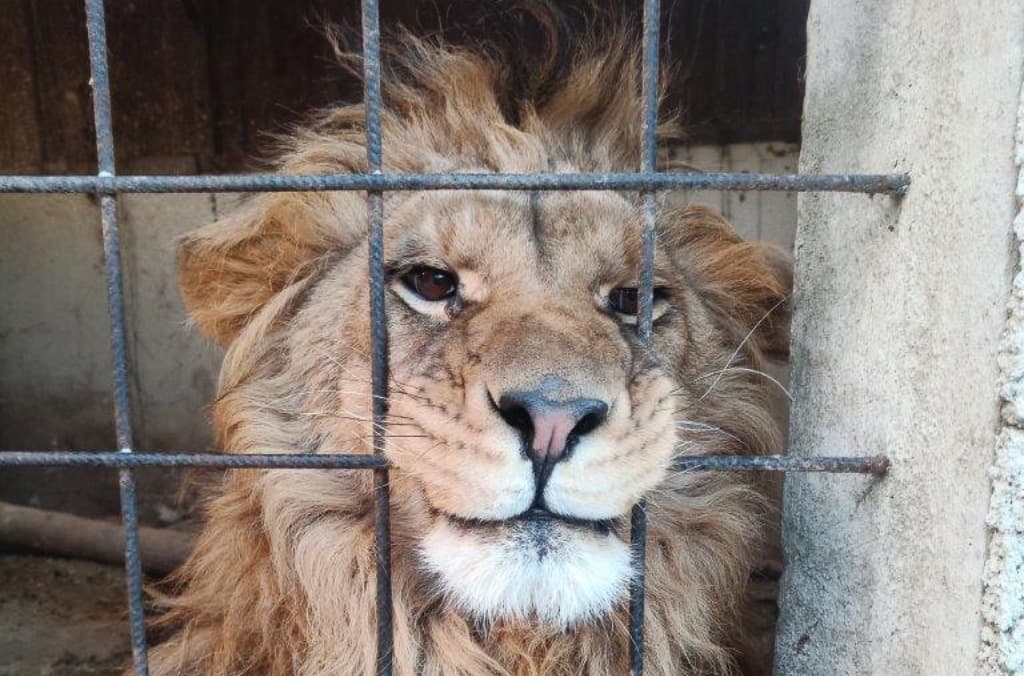
Interpol announced on December 11 that Operation Thunder 2025, a coordinated enforcement effort run with the World Customs Organization and supported by ICCWC partners, rescued nearly 30,000 live animals and generated about 4,640 seizures during a monthlong operation from September 15 to October 15. The campaign involved law enforcement, customs, border officials and wildlife authorities in 134 countries and marked the ninth consecutive year of the operation.
Interpol and partners said roughly 1,100 suspects were identified in connection with trafficking uncovered by the operation. Agencies highlighted several concentrated hauls that point to changing markets and supply chains. Authorities reported nearly 10,500 butterflies, spiders and other exotic arthropods seized worldwide, many of them species listed under the Convention on International Trade in Endangered Species of Wild Fauna and Flora. Intercepted forest commodities included more than 32,000 cubic metres of illicit timber and over 10 tonnes of trafficked plants. Reporting by international outlets cited the wider illegal wildlife trade as a roughly US$20 billion market, a figure that underscores the economic scale of the networks involved.
Interpol Secretary General Valdecy Urquiza said Operation Thunder exposed the increasingly complex criminal architecture behind wildlife and forestry trafficking, noting that the networks increasingly link to other crimes. He said, “Operation Thunder once again exposes the sophistication and scale of the criminal networks driving the illegal wildlife and forestry trade, networks that increasingly intersect with all crime areas, from drug trafficking to human exploitation.” Interpol communications additionally warned that these syndicates “target vulnerable species, undermine the rule of law and endanger communities worldwide.”
Regional reporting underscored how the trade spans continents. Africanews emphasized a rapidly expanding market stretching from Africa to Europe, Asia and the Americas, and the Associated Press dispatched coverage from Cape Town. Singaporean authorities, working in concert with Interpol coordinators, foiled a rhino horn smuggling attempt and prosecuted smugglers as part of heightened border enforcement tied to the operation, according to reporting in The Straits Times.
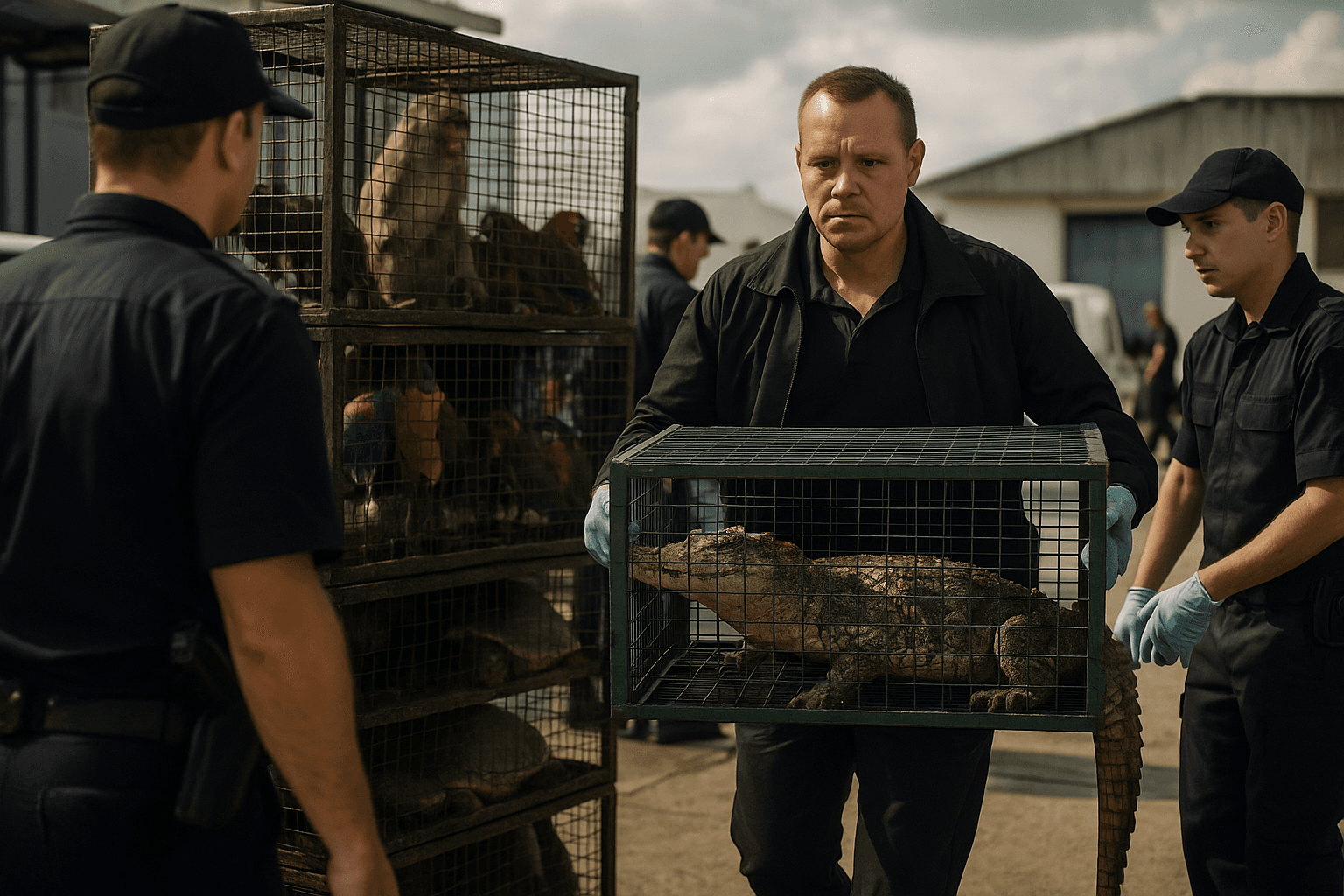
Beyond conservation impacts, the operation highlighted public health and economic concerns. Officials warned that removing large numbers of small species and moving plants and timber across borders can introduce invasive pests and diseases that affect agriculture and forestry services, raise mitigation costs and disrupt local livelihoods. The seizures of timber and plants also have direct market implications, potentially altering illegal supply flows and raising prices in black market segments that finance wider criminal activity.
Funding and capacity building for the operation included contributions from the European Union via the GUARD Wildlife Project, the United Kingdom Department for Environment, Food and Rural Affairs through the ICCWC UK DEFRA Project, and Norway’s International Climate and Forest Initiative through the LEAP Project. Interpol and partners said the results demonstrate the need for sustained funding, expanded intelligence sharing and coordinated customs controls to dismantle networks rather than merely intercept shipments.
Law enforcement officials framed Operation Thunder as an indicator that trafficking is diversifying into bushmeat, exotic arthropods and illegally logged timber, requiring new investigative priorities and public policy responses. Analysts say long term suppression of this market will depend on reducing demand, tightening international trade oversight, and building prosecution capacity at national levels to fragment the transnational criminal networks that profit from ecological destruction.
This article was produced by Prism’s automated news system from verified source data, official records, and press releases, then run through automated quality and moderation checks before publishing. The system is built and supervised by the people who set the standards it runs under. Read our full AI policy.
Did this article answer your question?


